
Skip to content

Exploring the vibrant world of Thai cuisine, one cannot overlook the tantalizing allure of Tom Yum Soup. A harmonious blend of aromatic herbs, savory broth, and fresh vegetables, this soup is a celebration of flavors. In this culinary journey, we will unravel the secrets behind crafting the perfect Tom Yum Soup—a dish that not only satiates your taste buds but also transports you to the bustling streets of Thailand.

The Essence of Tom Yum: Ingredients Unveiled

At the heart of every great recipe lies its ingredients. To embark on our Tom Yum adventure, gather 4 cups of low sodium chicken broth, 2 cups of water, and a medley of fresh produce. Begin with a base of sliced onions, complemented by earthy crimini or button mushrooms. The aromatic duo of lemongrass and kaffir lime leaves infuse the soup with a citrusy zing. For a protein punch, add tender chicken breast slices, and elevate the flavors with julienned ginger or galangal. Enhance the soup’s depth with 2 tablespoons of fish sauce (or soy sauce for a vegetarian twist) and a teaspoon of salt, balancing the tastes impeccably. Finally, the star of the show—the Thai red curry paste—lends the soup its signature hue and fiery notes.

A Symphony of Flavors: Cooking Tom Yum Soup

Creating this culinary masterpiece is as delightful as savoring it. Begin by bringing the chicken broth and water to a gentle simmer. Introduce the onions, mushrooms, lemongrass, kaffir lime leaves, chicken, ginger, fish sauce, salt, and the Thai red curry paste to the simmering broth. Let the ingredients meld together, releasing their essence into the liquid, creating a tantalizing aroma that fills your kitchen.

The Finishing Touch: Elevating Tom Yum to Perfection

Once the pressure cooking is complete, it’s time to add the finishing touches. Squeeze in the freshness of lime juice, enhancing the soup’s tanginess. Introduce the crunch of baby corn, the vibrant hues of thinly sliced carrots and zucchini, and the herbal essence of cilantro. For a touch of sweetness, consider a teaspoon of agave or palm sugar, though you can skip it for a low-carb option. Feeling adventurous? Spice things up with a hint of sriracha or chili garlic sauce, elevating the soup’s heat to your preference.

Mastering the art of Tom Yum Soup not only satisfies your culinary cravings but also provides an immersive experience into the heart of Thai gastronomy. This recipe invites you to embrace the balance of flavors, the aromatic allure of herbs, and the warmth of a perfectly crafted broth. As you delve into this culinary adventure, remember, the key ingredient is passion. So, gather your ingredients, don your apron, and let the magic of Tom Yum Soup unfold in your kitchen.

The search for extraterrestrial life has captivated the human imagination for centuries, but have you ever wondered how aliens might perceive the universe? In this blog post, we will explore the intriguing concept of how extraterrestrial beings might experience their surroundings. While we can only speculate, considering the possibilities of alien senses adds depth to the mysteries of the cosmos and the enigma of alien UFOs.

I. Beyond Human Senses

Humans rely on a limited set of senses, including sight, hearing, touch, taste, and smell, to perceive the world around us. However, if we were to encounter extraterrestrial life, it’s possible that these beings would possess senses beyond our imagination. They might perceive different forms of energy, detect diverse spectrums of light, or have entirely unique sensory organs.

II. Alien Interpretations of the Universe

The way in which we interpret the universe is closely tied to our human sensory experiences and scientific understanding. For aliens, their unique senses and the environments of their home planets would shape their interpretation of cosmic phenomena. They might perceive the universe in ways that challenge our human-centric view, making their understanding of the cosmos vastly different from ours.

III. Cultural and Philosophical Influences

Just as human culture and philosophy influence our perspectives on the universe, alien civilizations would be shaped by their own cultural and philosophical beliefs. Their interpretations of the cosmos, their place in it, and their understanding of its mysteries would be informed by their unique history and values. This could lead to entirely different interpretations of the universe’s purpose and significance.

IV. The Enigma of Alien Senses

The concept of how aliens might perceive the universe is an exercise in imagination, as we have no concrete evidence of extraterrestrial life. However, it underscores the profound mysteries surrounding the search for life beyond Earth. The cosmos is an enigmatic and vast expanse, and the potential diversity of extraterrestrial perspectives adds layers of intrigue to our quest to understand the mysteries of the universe and the enigma of alien UFOs.

While we may never truly know how aliens perceive the universe, pondering the possibilities allows us to explore the infinite diversity of the cosmos. The idea that aliens might have senses and interpretations of the universe that differ drastically from ours adds depth to our fascination with the unknown. As we continue to explore the enigma of alien UFOs and the mysteries of the cosmos, we must remain open to the infinite possibilities that await us beyond our human perspective.

Embarking on a culinary adventure often begins with a single dish that captures the essence of a culture’s flavors. Wonton soup, a classic in Chinese cuisine, beautifully encapsulates the harmonious blend of textures and tastes. In this gastronomic journey, we will explore the intricacies of crafting the perfect Wonton Soup, delving deep into the art of combining flavors and mastering techniques. So, roll up your sleeves, sharpen your knives, and let’s dive into the world of Wonton Soup together.


Unraveling the Wonton: Crafting the Perfect Parcel

Creating the soul of Wonton Soup lies in the delicate wonton parcels. Start by combining coarsely chopped boneless pork loin and finely chopped shrimp in a bowl. Add a dash of Chinese rice wine, light soy sauce, brown sugar, green onions, and fresh ginger root. This aromatic blend forms the heart of your wontons. Gently encase this flavorful filling in thin, square wonton wrappers. Each fold and pinch carry the promise of a delightful burst of flavor in every bite.

Simmering Perfection: The Art of Making the Soup

While the wontons rest, focus on the creation of the soul-soothing broth. In a pot, bring chicken stock to a gentle simmer. The aroma of simmering stock fills the air, promising warmth and comfort. Add finely chopped green onions, infusing the broth with a subtle yet enticing flavor. The soup, like a patient artist, awaits the arrival of its wonton companions, ready to embrace them in its flavorful embrace.

The Symphony of Flavors: Wonton and Soup Unite

With the broth bubbling gently and the wontons prepared, it’s time to unite these elements into a harmonious symphony of flavors. Carefully place the wontons into the simmering soup, their transformation underway. As they cook, the wontons release their essence into the broth, creating a delectable fusion of tastes. The pork and shrimp meld with the rich chicken stock, creating a taste that dances on the palate, leaving a lingering desire for more.

In every bowl of Wonton Soup, there lies a culinary odyssey—a tale of flavors, traditions, and meticulous craftsmanship. The marriage of the wonton’s tender embrace and the soul-nourishing broth creates an experience that transcends the ordinary, making every spoonful a journey worth savoring. As you embark on your own culinary adventure, remember the artistry behind this seemingly simple dish. Let the warmth of the soup and the richness of the wontons remind you that every meal is a story waiting to be told, a journey waiting to be undertaken.

The search for extraterrestrial life has always been a quest for the familiar, for life forms that resemble what we know on Earth. However, as we explore the vastness of the universe, it becomes increasingly apparent that alien life may not conform to our preconceived notions. In this blog post, we will delve into the intriguing possibility of alien biochemistry, challenging the conventional wisdom that all life must adhere to the same principles as life on Earth.

I. Carbon-Based Life on Earth

Life on Earth is fundamentally carbon-based. Carbon’s unique properties make it the ideal building block for the complex molecules that drive biological processes. These carbon-based molecules, such as DNA and proteins, are the foundations of life as we know it. However, the question arises: Is carbon the only element that can support life?

II. Alternative Biochemistry

While carbon is the cornerstone of life on Earth, the universe offers a multitude of elements and compounds that could potentially support life. Elements like silicon, sulfur, and even nitrogen are explored as possible alternatives to carbon in the biochemistry of alien organisms. Silicon, for example, shares some chemical similarities with carbon and could theoretically form the basis of complex molecules.

III. Challenges and Detection

Non-carbon-based life presents numerous challenges in terms of detection and understanding. Our methods for identifying signs of life are rooted in carbon-based biochemistry, and they may not be applicable to alternative forms of life. Furthermore, the diversity of environments in the universe makes it difficult to predict what type of biochemistry might be prevalent in extraterrestrial life forms.

IV. The Enigma of Alien Biochemistry

The concept of alternative biochemistry not only challenges our understanding of life in the universe but also adds a layer of complexity to the search for extraterrestrial life. As we explore the enigma of alien UFOs and the potential for life beyond Earth, we must remain open to the possibility of biochemistry that defies our current understanding.

In conclusion, the possibility of alien biochemistry broadens our horizons and challenges our assumptions about life in the universe. While carbon-based life may be the norm on Earth, the vast and diverse cosmos holds the potential for alternative forms of biochemistry. As we continue our quest to unravel the mysteries of the universe and explore the enigma of alien UFOs, we must embrace the idea that the boundaries of life may extend far beyond the familiar.

The search for extraterrestrial life has traditionally been rooted in our understanding of carbon-based life forms, similar to those found on Earth. However, the vastness of the universe and the diversity of its environments raise the possibility that life may exist in forms that differ fundamentally from what we know. In this blog post, we will explore the concept of non-carbon-based life and the potential biochemistry of alien organisms, shedding light on the mysteries of their potential existence.

I. Carbon-Based Life on Earth

Life on Earth is predominantly carbon-based, with organic compounds forming the basis of biological processes. Carbon is unique in its ability to form complex and stable molecules, making it an ideal building block for life. However, the question arises: Is carbon the only element capable of supporting life?

II. The Search for Alien Biochemistry

As scientists search for signs of extraterrestrial life, they consider the possibility of non-carbon-based life forms. Elements like silicon, sulfur, and even nitrogen are explored as potential alternatives to carbon in the biochemistry of alien organisms. These elements possess some of the key properties necessary for life, such as the ability to form stable compounds and adapt to different environments.

III. The Challenges of Non-Carbon-Based Life

While non-carbon-based life is theoretically possible, it presents a range of challenges for detection and understanding. If alien biochemistry differs significantly from what we know, our methods for identifying signs of life may prove inadequate. Additionally, the extreme diversity of environments in the universe makes it challenging to predict what type of biochemistry may be prevalent in extraterrestrial life forms.

IV. The Enigma of Alien Biochemistry

The concept of non-carbon-based life adds complexity to the search for extraterrestrial life. While carbon-based life may be more familiar to us, the potential existence of alternative biochemistry underscores the vastness of the universe and the mysteries of the cosmos. As we continue to explore the enigma of alien UFOs and the potential for extraterrestrial life, we must remain open to the possibility of biochemistry that defies our current understanding.

In conclusion, the investigation of non-carbon-based life expands the horizons of astrobiology and the search for extraterrestrial life. While carbon-based life is the foundation of our understanding, the vast and diverse universe offers the potential for alternative forms of biochemistry. The mysteries of the cosmos and the enigma of alien UFOs challenge us to remain open to the unknown and to explore the uncharted frontiers of potential extraterrestrial life.

The concept of alien life has captivated the human imagination for generations, with countless questions surrounding the potential diversity and evolution of extraterrestrial organisms. If aliens exist, what might their evolutionary path look like? In this blog post, we will embark on a journey of speculation and explore the possible evolution of alien life forms, shedding light on the mysteries of their potential existence.

I. Alien Origins: Simple Life Forms

Just as life on Earth began with single-celled organisms, it is conceivable that the evolution of alien life might follow a similar trajectory. Extraterrestrial planets with the right conditions could harbor simple life forms, such as bacteria or algae, as the first stepping stones in the development of more complex organisms. These alien microorganisms would be the building blocks of more advanced life.

II. Environmental Adaptations

The path of alien evolution would be shaped by the unique environmental conditions of their home planet. The diversity of planets in the universe, with varying atmospheres, temperatures, and gravities, would lead to the development of alien life forms specifically adapted to their surroundings. Over millions of years, these organisms would evolve to thrive in their respective environments, just as life on Earth has adapted to diverse ecological niches.

III. Intelligent Alien Species

While the path of evolution might lead to the emergence of complex life forms, it is the development of intelligent beings that sparks the most intrigue. If aliens exist, it is possible that some of them have evolved the cognitive abilities and consciousness necessary for advanced thinking and technological innovation. These intelligent alien species might possess unique communication methods, problem-solving skills, and social structures, making them capable of interstellar exploration and contact.
IV. The Enigma of Alien Evolution

Speculating on the evolution of alien life is an exercise in imagination, as we have no concrete evidence of extraterrestrial organisms. However, the mysteries surrounding the diversity and potential evolution of alien life add depth to our fascination with the unknown. The enigma of the cosmos and the mysteries of alien UFOs continue to beckon us into uncharted territory.

In conclusion, pondering the evolution of alien life forms allows us to explore the limitless possibilities of the universe. The concept of simple alien organisms evolving into complex, intelligent species offers a glimpse into the diversity that might exist beyond our planet. While we can only speculate about the paths of extraterrestrial evolution, the mysteries of the cosmos and the enigma of alien UFOs remind us that the universe is full of uncharted wonders waiting to be discovered.

The universe is a vast and awe-inspiring expanse, and humans have spent centuries trying to understand it from our unique perspective. But what if there are other intelligent beings out there, aliens, who perceive the cosmos in a completely different way? In this blog post, we will embark on a journey of imagination to explore how extraterrestrial civilizations might perceive the universe, shedding light on the mysteries of their potential existence.

I. Alien Senses and Sensibilities

To understand how aliens might perceive the universe, we must first consider the sensory capabilities they possess. While humans rely on a limited set of senses, such as sight, hearing, and touch, aliens might have an entirely different range of sensory abilities. These could include sensing various forms of energy, perceiving different dimensions, or even communicating through means we can’t fathom. These unique senses would give them an entirely distinctive view of the universe.

II. Alien Interpretations of Cosmic Phenomena

As we gaze at the stars, we see celestial bodies, galaxies, and cosmic phenomena through the lens of our scientific understanding. Aliens, on the other hand, might have an entirely different perspective on these cosmic wonders. They might interpret these phenomena in ways that are beyond our comprehension, understanding the universe in ways that challenge our human-centric notions.

III. Cultural and Philosophical Variations

Just as human culture and philosophy influence our perception of the universe, alien civilizations would be shaped by their unique cultural and philosophical perspectives. How they view the cosmos, their place in it, and their understanding of its mysteries would be informed by their own history, beliefs, and values. This could lead to entirely different interpretations of the universe’s purpose and significance.

IV. The Enigma of Alien Perspectives

While pondering how aliens might perceive the universe is a thought-provoking exercise in imagination, it underscores the profound mysteries surrounding the search for extraterrestrial life. The cosmos is an enigmatic and vast expanse, and the diversity of potential extraterrestrial perspectives adds layers of intrigue to our quest to understand the mysteries of the universe and the enigma of alien UFOs.

In conclusion, considering how aliens might perceive the universe offers a fascinating journey into the realm of the unknown. With distinct senses, interpretations of cosmic phenomena, and cultural influences, their view of the cosmos would be unlike anything we can comprehend. This exercise in imagination reminds us of the endless possibilities and mysteries that exist beyond our human perspective and adds depth to our fascination with the unknown.

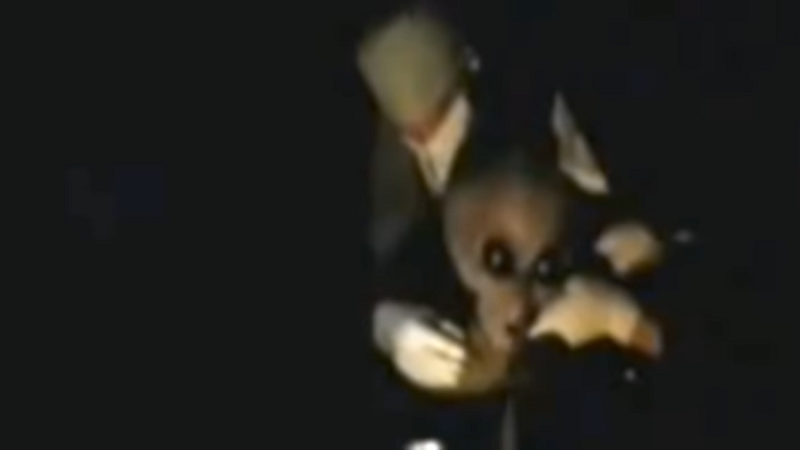
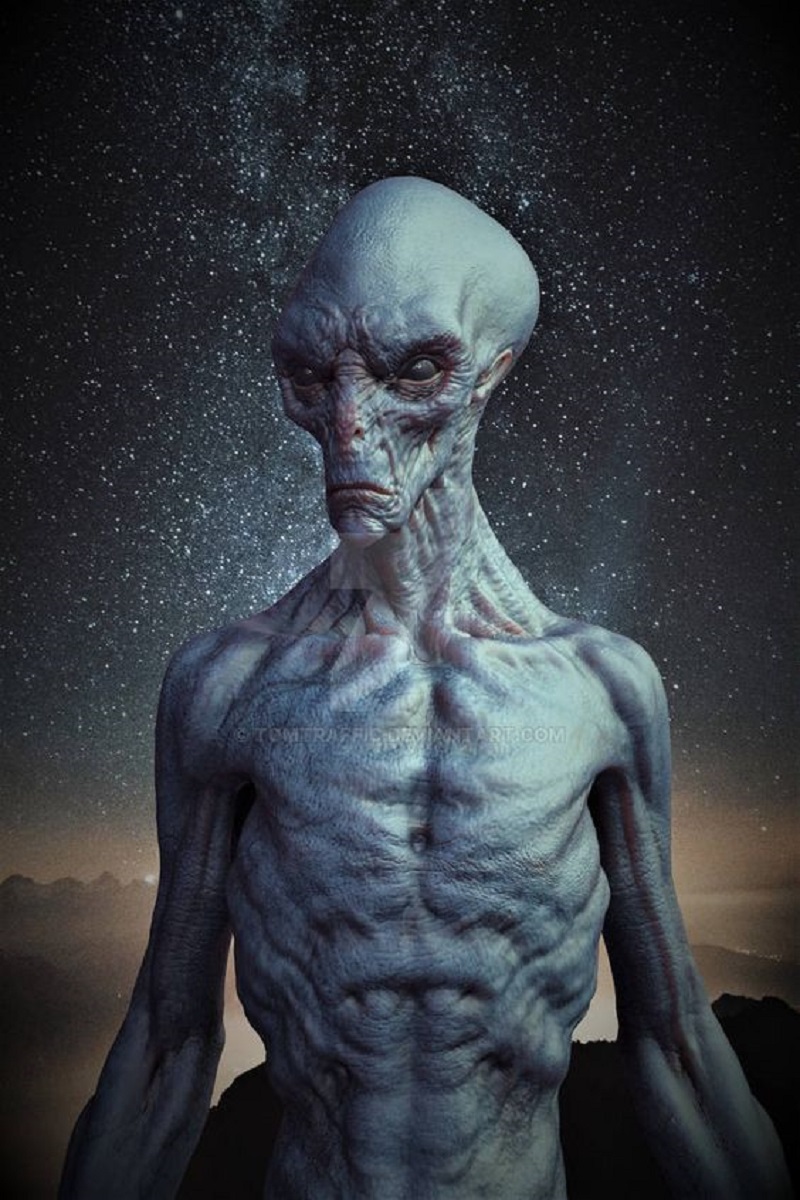
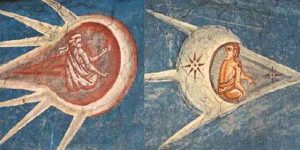
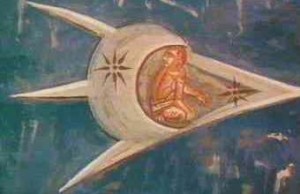
Recientemente, los arqueólogos han descubierto imágenes de ovnis pintadas en las paredes desde la antigüedad.

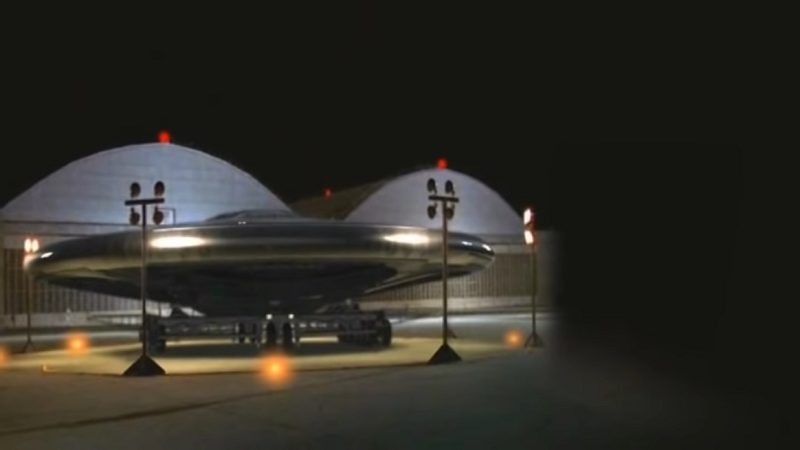
Los objetos voladores no identificados (OVNI) comenzaron a recibir especial atención en la década de 1940. Sin embargo, los arqueólogos han encontrado muchas imágenes que pueden ser de ovnis de la antigüedad, justo en los albores de los tiempos. comienzo de la historia de la humanidad hasta la Edad Media."imagen"

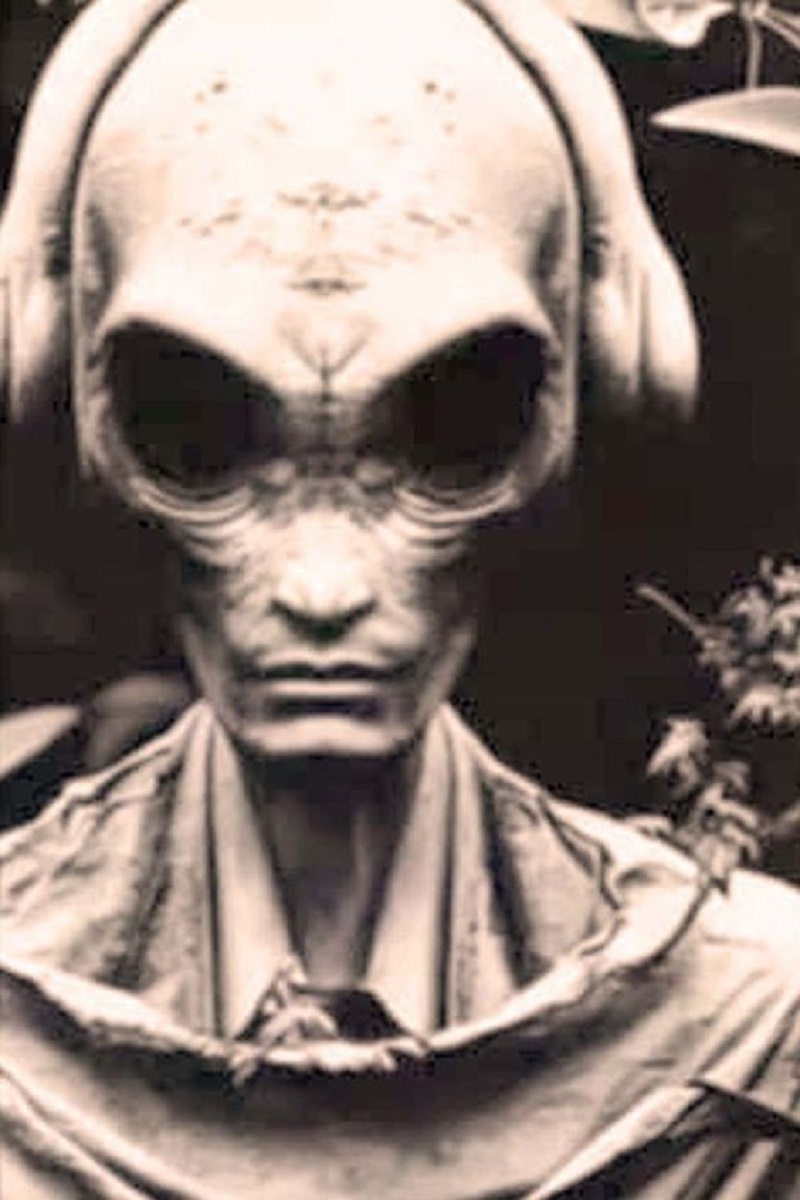
La forma de los objetos móviles que aparecen en el antiguo Egipto y Uzbekistán se parece a los ovnis de la película de ciencia ficción estadounidense The Extra Terrestrial.

Basándose en muchas pruebas obtenidas, el equipo arqueológico cree que la gente desde la Edad Media conocía la existencia de extraterrestres y los consideraba dioses con poder supremo.

Esa creencia se promovió aún más cuando el autor suizo Erich von Daniken publicó el libro ¿Carros de los dioses? En él, escribió que criaturas extraterrestres habían construido muchas grandes estructuras antiguas, incluidos los dibujos de Nazca. Además, Daniken describe a esas criaturas como humanas pero con piel amarilla y luz brillante.

La teoría de Daniken es que seres extraterrestres han visitado las tierras salvajes del sur del Perú desde la antigüedad.

Anteriormente también se habían visto rastros de objetos similares en Türkiye y China."imagen"

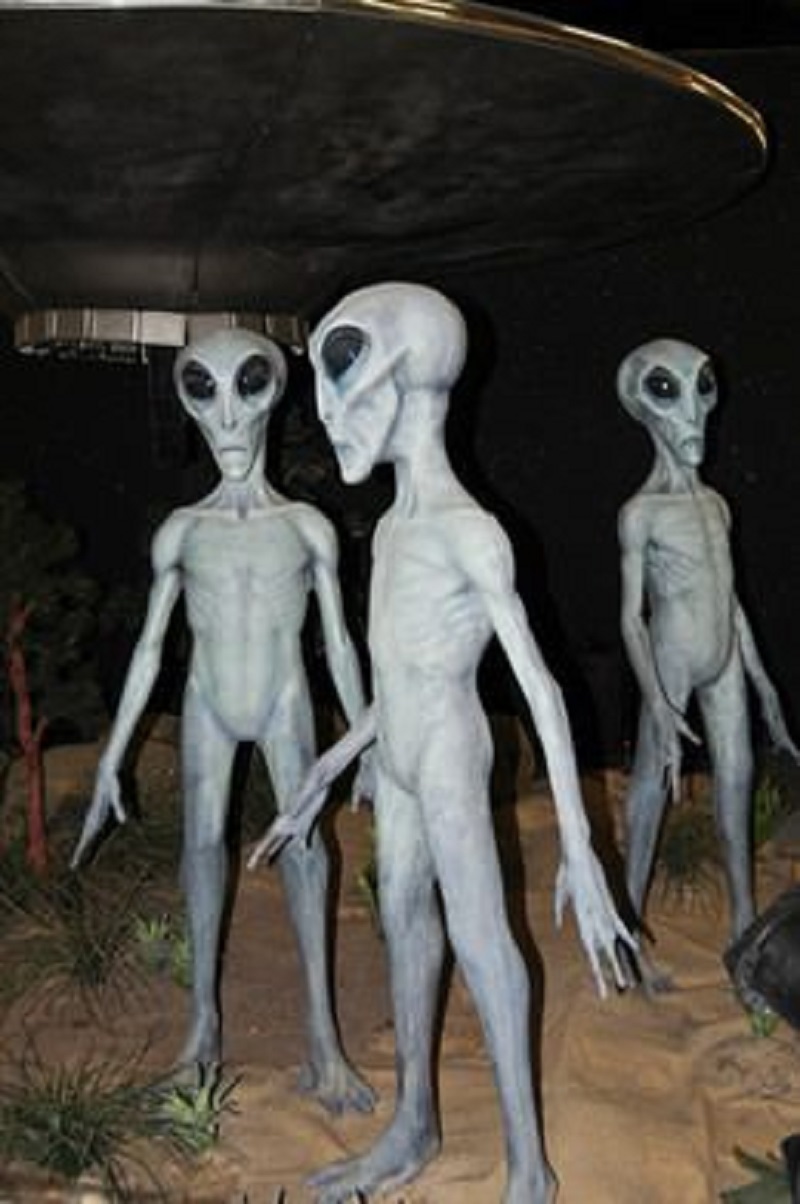
Más recientemente, los arqueólogos rusos siguen teniendo más pruebas que confirman esta sospecha. En su informe, el equipo de investigación dijo que descubrieron misteriosos entierros con muchos cadáveres que probablemente eran de extraterrestres enterrados hace al menos 500 años.

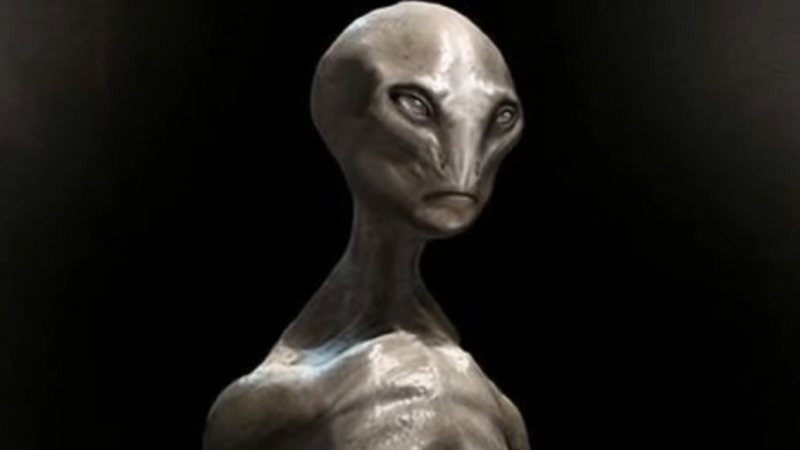
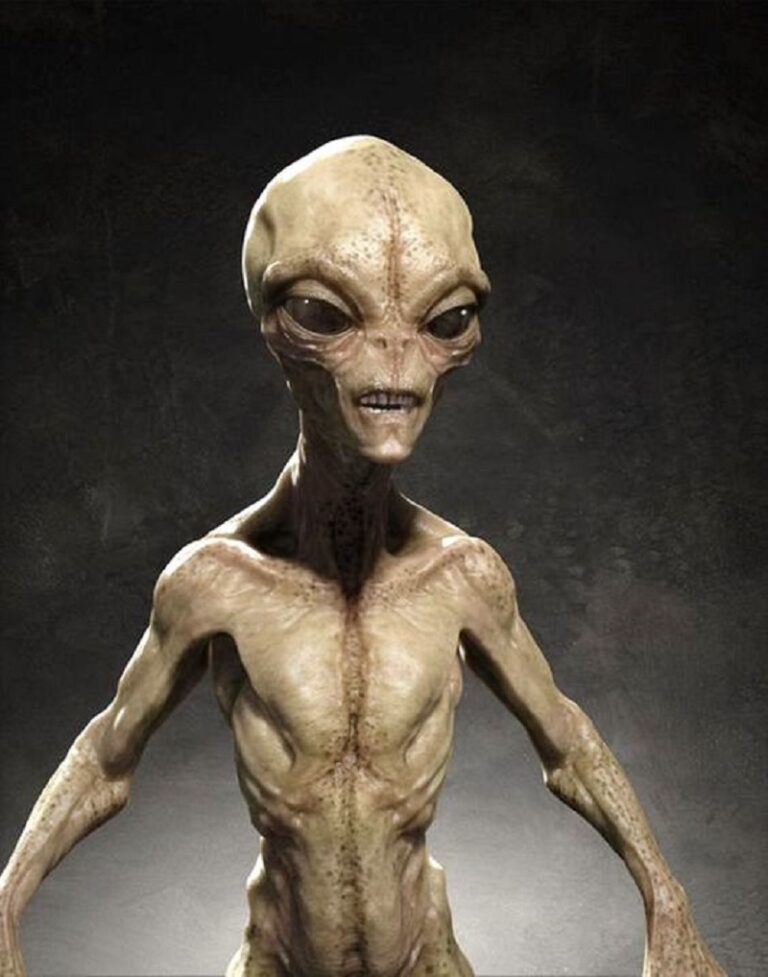
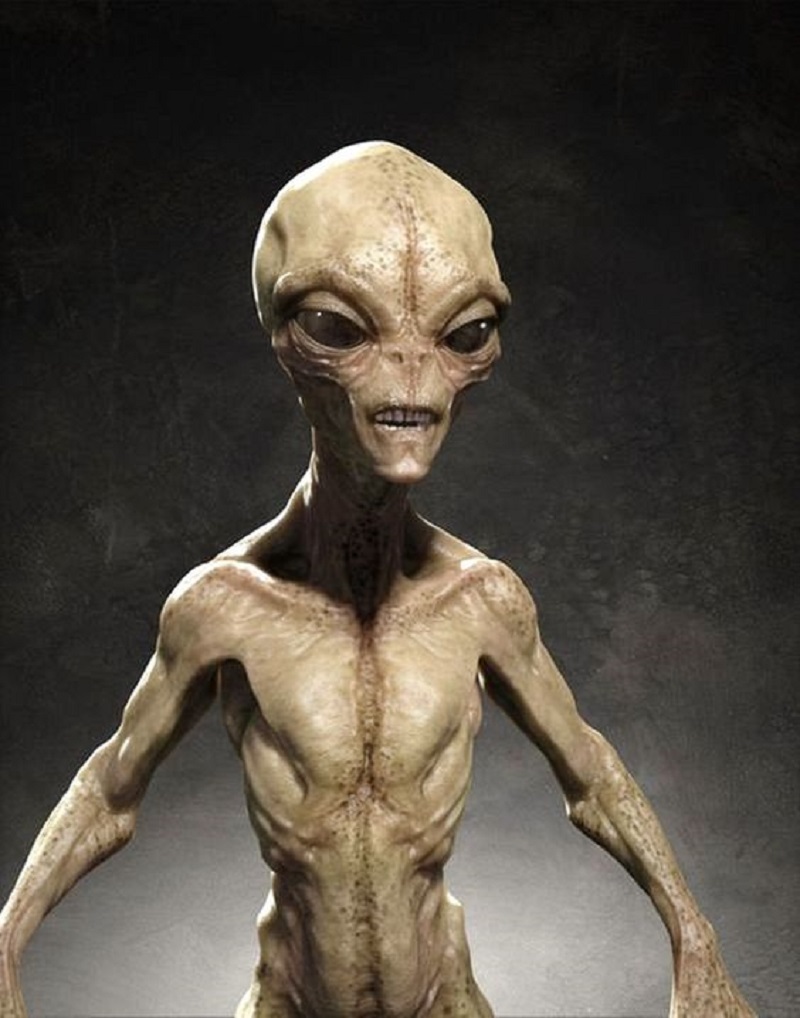
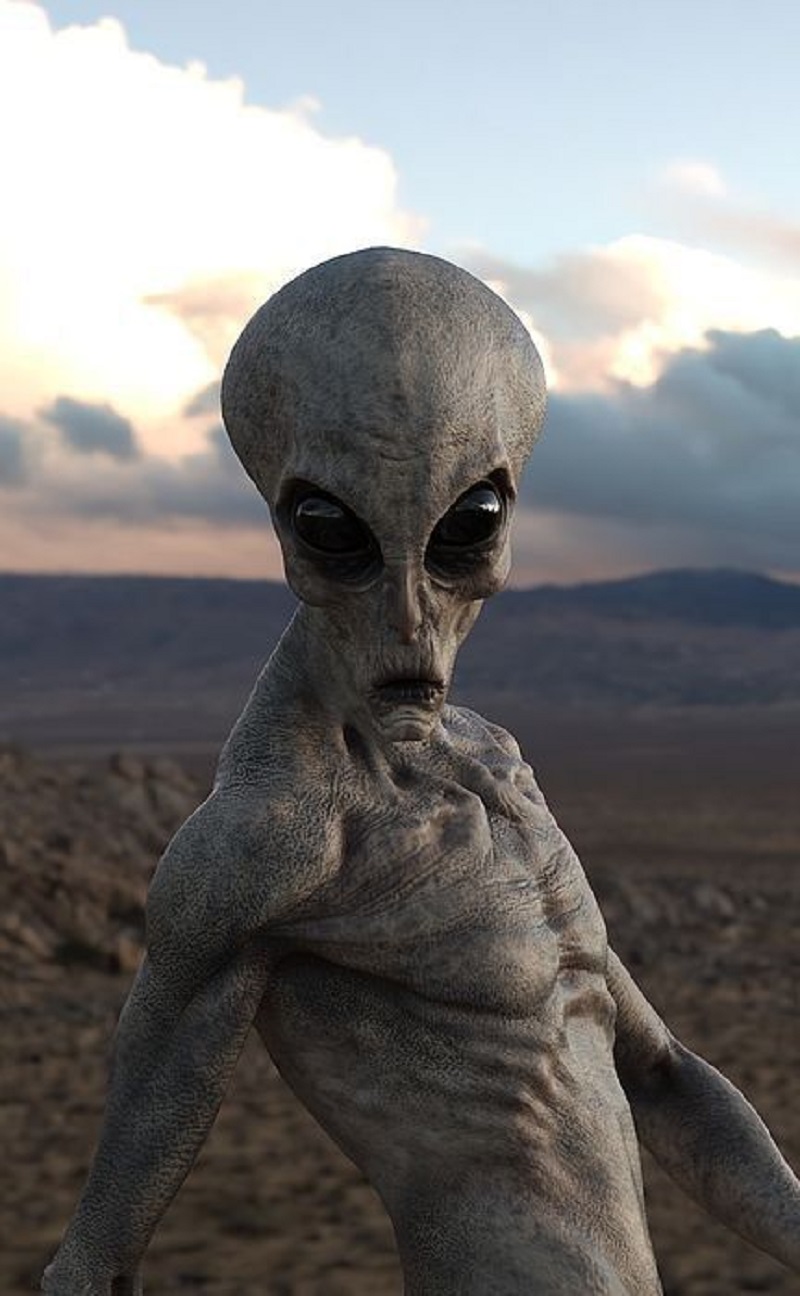
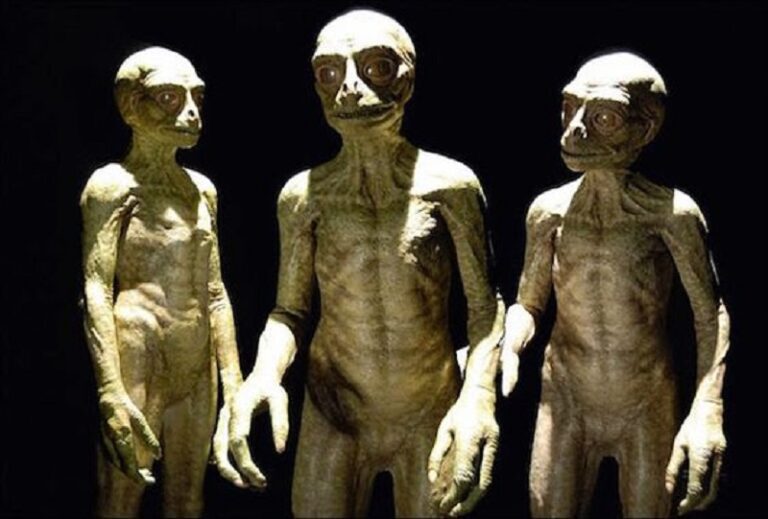
Estas “criaturas” miden 2 metros de altura y tienen un cuerpo extraño con una gran cabeza ovalada.

Sin embargo, los investigadores no han encontrado ni descubierto ningún rastro que indique restos de naves espaciales y, por lo tanto, las historias sobre los ovnis siguen siendo misteriosas y desafían la verdad. descubrimiento humano.

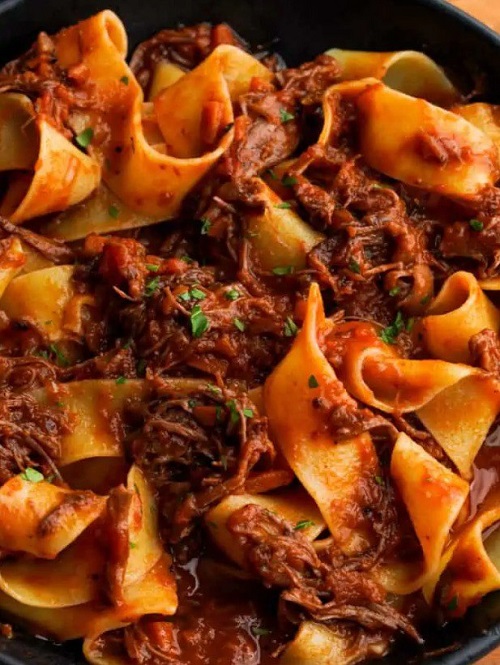
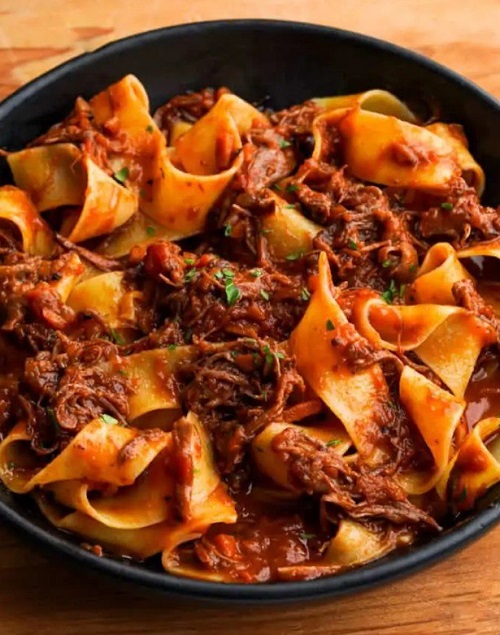
هناك شيء سحري حقًا في الأطباق المطبوخة ببطء والتي تُطهى على نار هادئة حتى الكمال، وتملأ الهواء بالروائح المثيرة. من بين هذه المأكولات الشهية، يبرز Short Rib Ragu باعتباره طبقًا كلاسيكيًا مريحًا وشهيًا. هذا الطبق هو شهادة على فن الصبر ومتعة تذوق النكهات التي تمتزج معًا في سيمفونية من الذوق. في هذا الدليل، سنرشدك عبر خطوات إنشاء ضلع راغو قصير رائع من شأنه أن يترك ذوقك يتراقص ويطلب منك المزيد.

المكونات والتحضير

للشروع في مغامرة الطهي هذه، اجمع المكونات التالية: 1½ ملعقة كبيرة من زيت الأفوكادو، 5 أضلاع قصيرة عصارية، نصف كوب من الجزر المفروم جيدًا، ضلع واحد من الكرفس المفروم جيدًا، بصل أصفر متوسط الحجم مقطع جيدًا، 7 فصوص كبيرة. ثوم مفروم، 1½ ملعقة صغيرة من الأوريجانو المجفف، 2½ ملعقة كبيرة من معجون الطماطم، 2 كوب من بينوت نوير الغني، 2¼ كوب من مرق اللحم البقري (بالإضافة إلى كوب إضافي)، 1 علبة (28 أونصة) من الطماطم المهروسة، 3 أغصان من الزعتر الطازج ، 2 ورقة غار، 2 أغصان إكليل الجبل مقاس 3 بوصات، 1 قشرة بارميزان كبيرة، 3 ملاعق كبيرة من الكريمة الثقيلة اللذيذة، 4 أعشاش من البابارديلي، وبالطبع ملح كوشير وفلفل أسود مطحون طازجًا حسب الرغبة.


عملية الطبخ

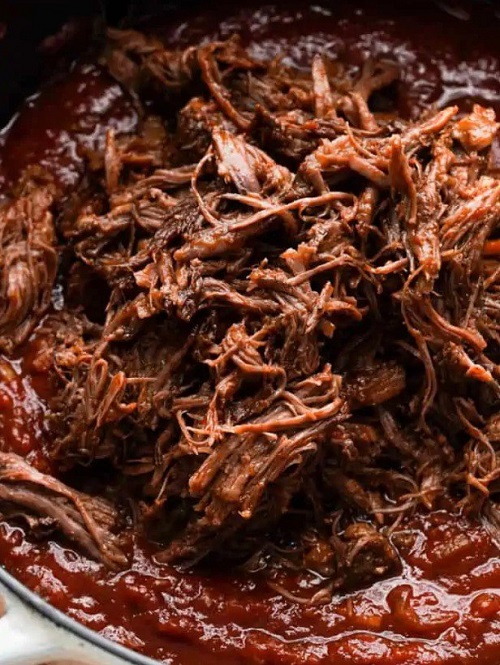
ابدأ رحلة الطهي هذه عن طريق تسخين زيت الأفوكادو في وعاء ثقيل القاع على نار متوسطة إلى عالية. احرق الضلوع القصيرة حتى تحصل على لون بني ذهبي رائع من جميع الجوانب. ضع قطع اللحم النضرة هذه جانبًا، واتركها ترتاح بينما تقلى الجزر والكرفس والبصل المفروم جيدًا حتى تصبح طرية وشفافة. يُضاف الثوم المفروم، والأوريجانو المجفف، ومعجون الطماطم، مع التحريك حتى يصبح الخليط ذو رائحة عطرية وغنية بالألوان.

اسكب البينوت نوير المخملي، مما يسمح له بتحلل الوعاء وإضفاء نكهة الفواكه العميقة على الطبق. اتبع ذلك بمرق اللحم البقري والطماطم المهروسة والزعتر الطازج وأوراق الغار وإكليل الجبل وقشرة البارميزان. يُطهى الخليط على نار هادئة، ويُترك ليحتوي على النكهات على نار خفيفة لعدة ساعات حتى تصبح الضلوع القصيرة طرية تذوب في الفم. عندما يغلي الراغو على نار خفيفة، سيمتلئ مطبخك برائحة تعدك بتحفة طهي في طور الصنع.

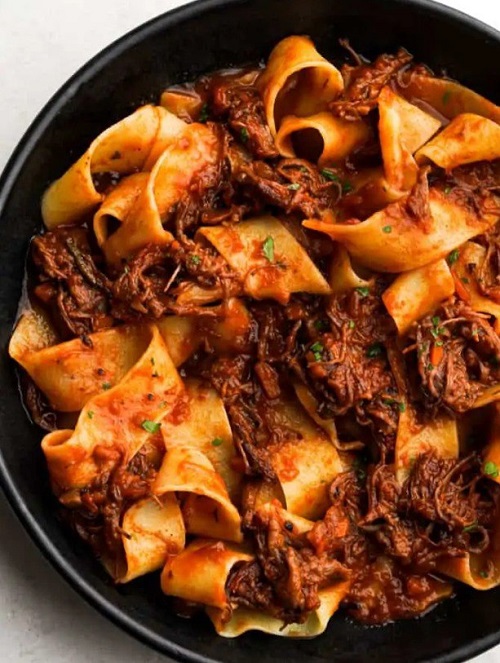
لتعزيز ثراء الراجو، قم بإدخال الكريمة الثقيلة، مما يخلق ملمسًا مخمليًا يغطي كل خيط من المعكرونة. في هذه الأثناء، قم بإعداد البابارديل وفقًا لتعليمات العبوة، مع التأكد من أنها جاهزة لاحتضان الراجو في أحضانها الرقيقة.

خدمة والاستمتاع

أخيرًا، اغرف ضلع الراجو القصير اللذيذ بسخاء فوق البابارديل المطبوخ بشكل مثالي، مما يسمح للنكهات بالاختلاط وإنشاء طبق يتحدث عن الحب والتفاني. يُزيّن بجبنة البارميزان المبشورة الطازجة ورشة من البقدونس المفروم للحصول على لون ونضارة.

إن إتقان فن Short Rib Ragu هو رحلة تجمع بين الصبر والعاطفة وأرقى المكونات. يتجاوز هذا الطبق حدود الطبخ العادي، ويقدم تجربة طهي تُبهج الحواس وتدفئ الروح. لذا، شمر عن سواعدك، واجمع مكوناتك، وابدأ في مغامرة تذوق الطعام هذه. مكافأتك؟ سيمفونية من النكهات التي ستترك انطباعًا دائمًا وتجعلك نجم مطبخك.

In September 1993, work was underway to build a hospital parking lot on Feldstrasse in the German city of Trier, near the Roman bridge.

The city was founded around the year 16 BC. by the Romans as Augusta Treverorum and therefore preserves many buildings and remains from that time, such as the Porta Nigra. That is why it is not unusual that the remains of walls and vaults from the basements of a Roman insula (multi-story residential block) were found in the parking works.

However, the works were not interrupted and the excavators continued their work. On September 9, coin collectors who were inspecting the earth removed by one of the machines found several gold coins in it.

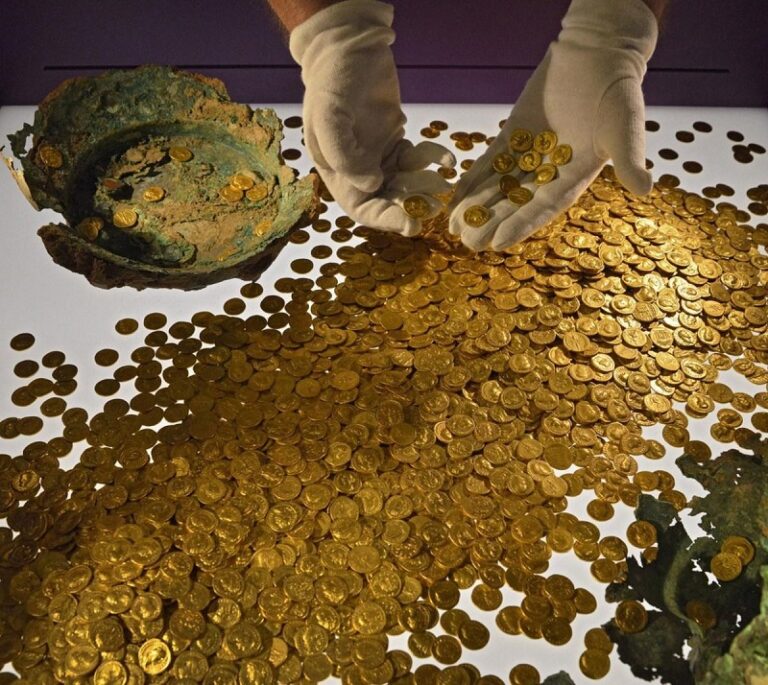
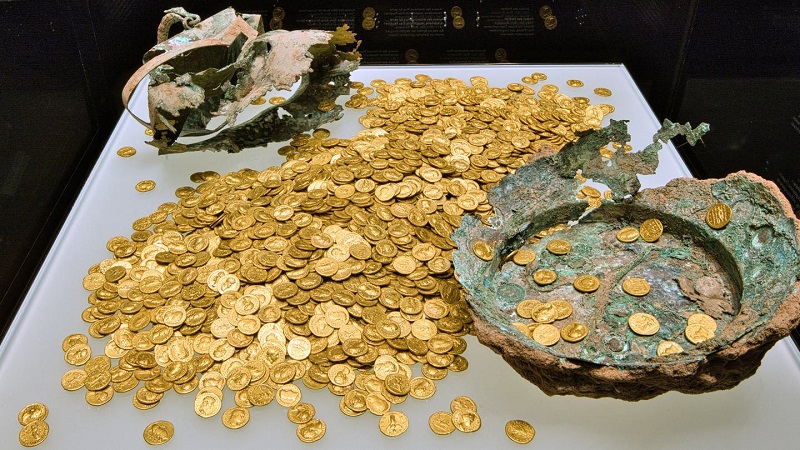
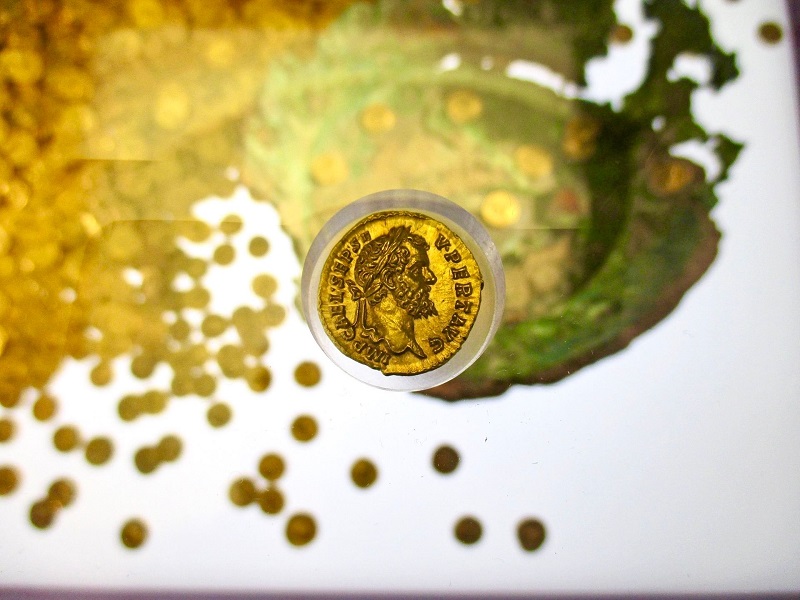
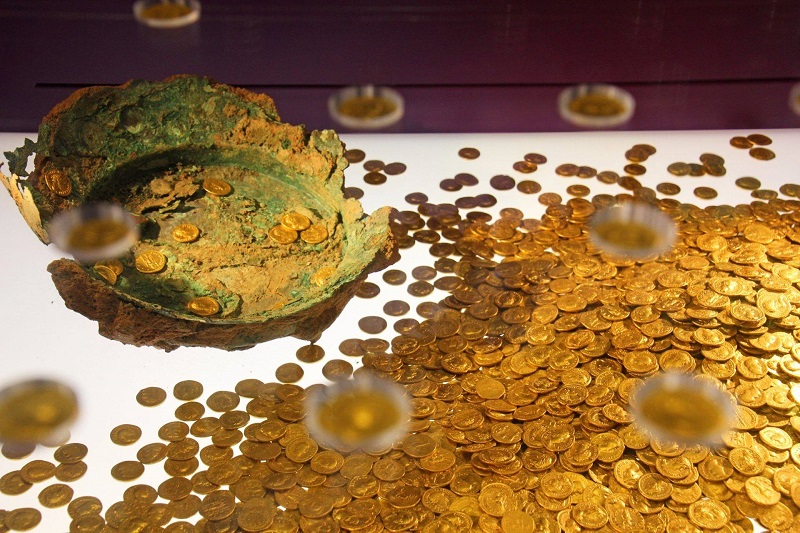
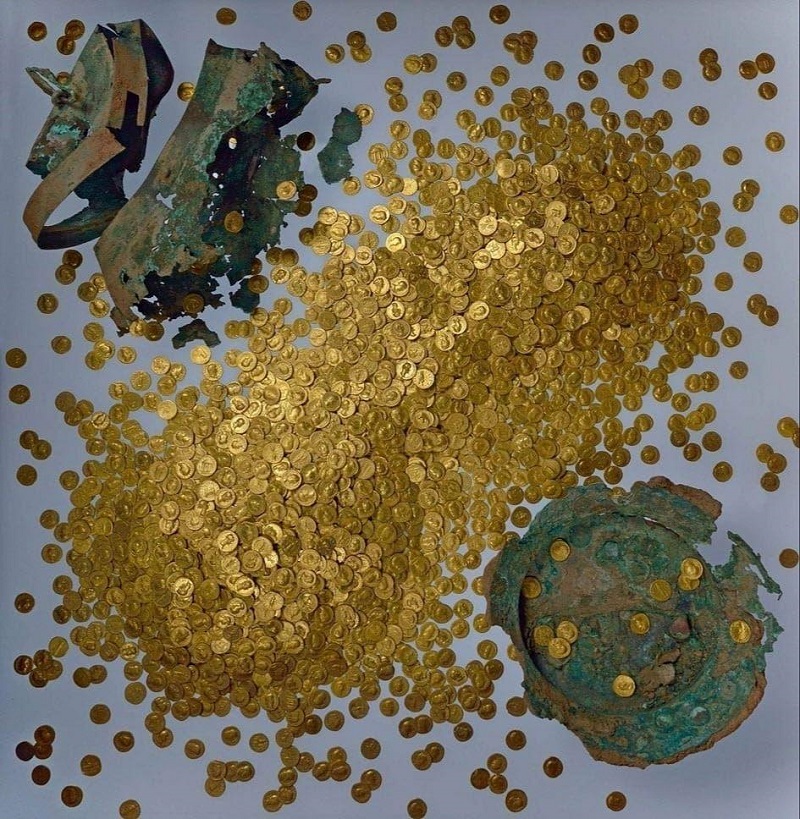
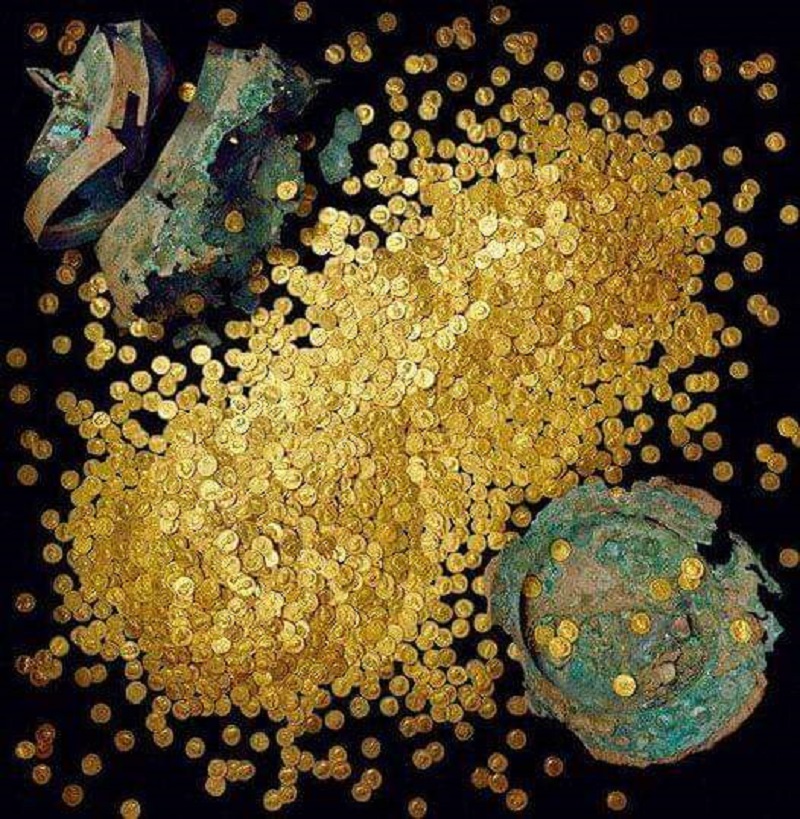
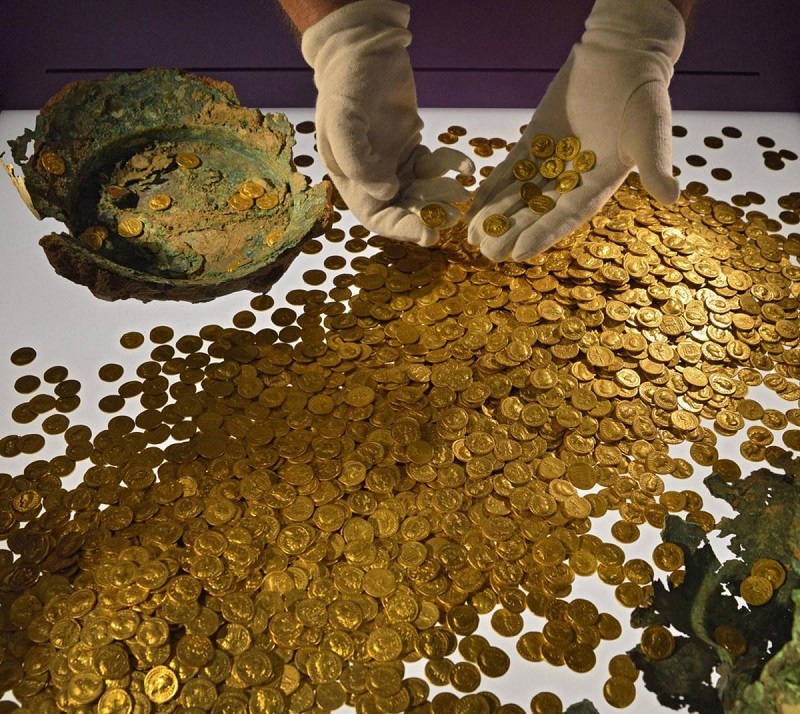
They returned at night with a metal detector and in a short time they had obtained in the excavation hole the fabulous loot of 1,389 Roman aurei (the Roman gold coin that was in use until the year 309 AD, when it was replaced by the solid). Some of the coins were caked due to corrosion and clay.

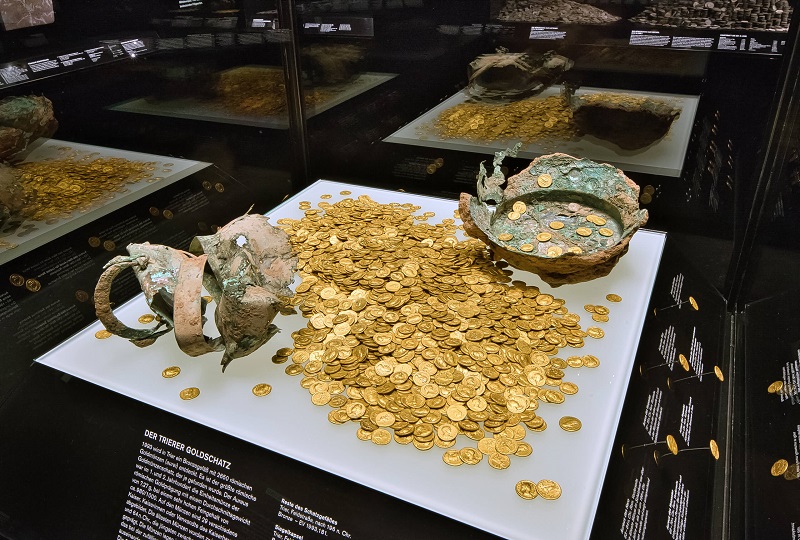
But before dawn, in one of the basement rooms, they discovered a bronze vessel containing another 561 gold coins. The vessel, which had been broken by one of the excavators that same afternoon, was the original place where all the coins from the discovery had been kept.

Let’s go back to the afternoon of September 9. The earth that had been removed from the Feldstrasse excavation was to be reused as fill material in further work on a car park at the Kockelsberg hotel, which is about 5 kilometers away on a hill. Some collectors followed the truck that was transporting the earth and, when they arrived at the hotel, they spread a rumor that there could be a treasure among the rubble.

The result was that they, the truck drivers, and many hotel guests began to excitedly dig through the dirt. By the end of the afternoon they had found another 400 gold coins, and even the top of the bronze vessel.

Other coins had been appearing throughout the day and night. On the morning of September 10, 19 people, including collectors, handed over all the coins found to the Rheinisches Landesmuseum (Rhineland Regional Museum in Trier). It was the largest treasure ever found of gold coins from the Roman imperial period: 2,650 aurei in total.

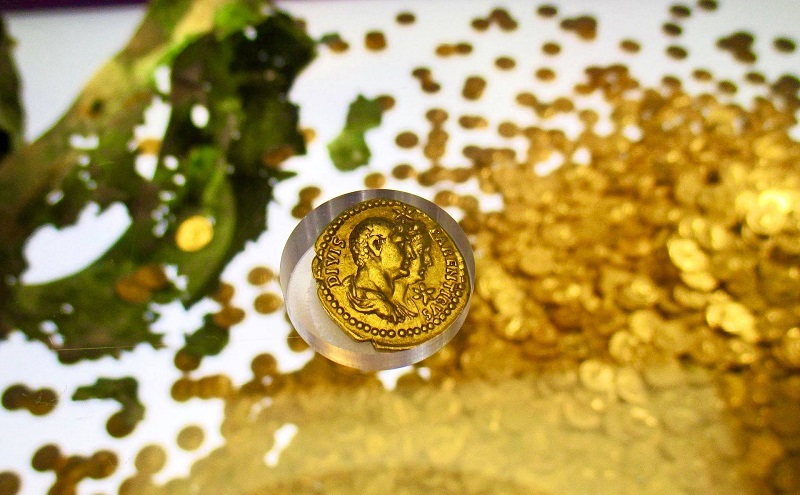
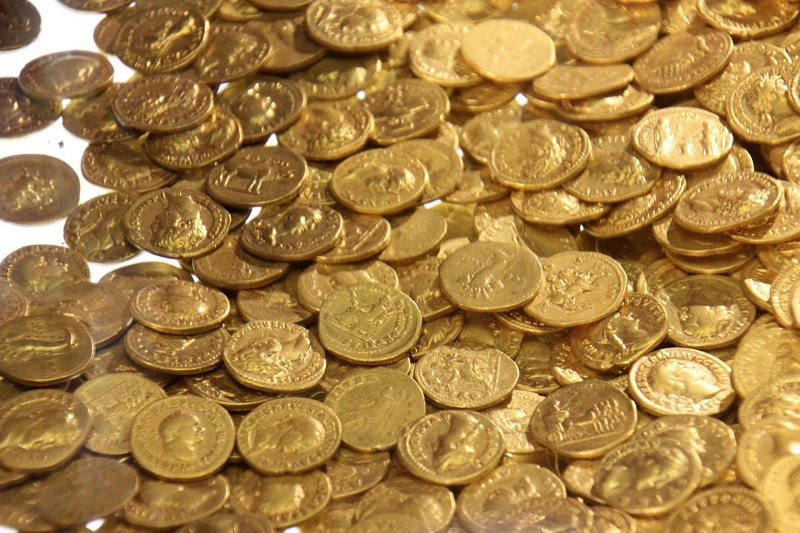
Different types of coins from the Trier Treasury | photo Th.Zühmer/Rheinisches Landesmuseum on Wikimedia Commons
The coins together weigh about 18 and a half kilograms, and practically all of them (more than 99 percent) were minted between the years 63 and 168 AD, corresponding to approximately one tenth of all the aureus from that period found to date. moment.

It is unknown to whom such an impressive amount of money belonged, equivalent to 265,000 sesterces. It could be owned by an individual, but also by the imperial administration of the city. As a comparison, it is known that the annual income of the Roman procurator of Trier (the person in charge of finances) was about 200,000 sesterces. It is also speculated that it could be part of the deposit of the temple of Asclepius, which was located nearby.

Since the most recent coins were minted between the years 193 and 196 AD, the treasure has been related to the war between the emperor Septimius Severus and his rival Clodius Albinus, who attacked Trier that year although he did not manage to conquer it. Perhaps the owner or manager of the treasure hid it at the time, and then was never able to return to retrieve it because he died or fled.