
Skip to content

The idea of extraterrestrial life has long captured human imagination, inspiring countless science fiction stories, movies, and even scientific inquiries. Among the many questions we have about potential alien civilizations, one intriguing aspect is the architecture and habitats of these hypothetical beings. In this blog post, we will delve into the world of alien architecture and explore the possibilities of what their living spaces might be like.

I. Imagining Alien Architecture

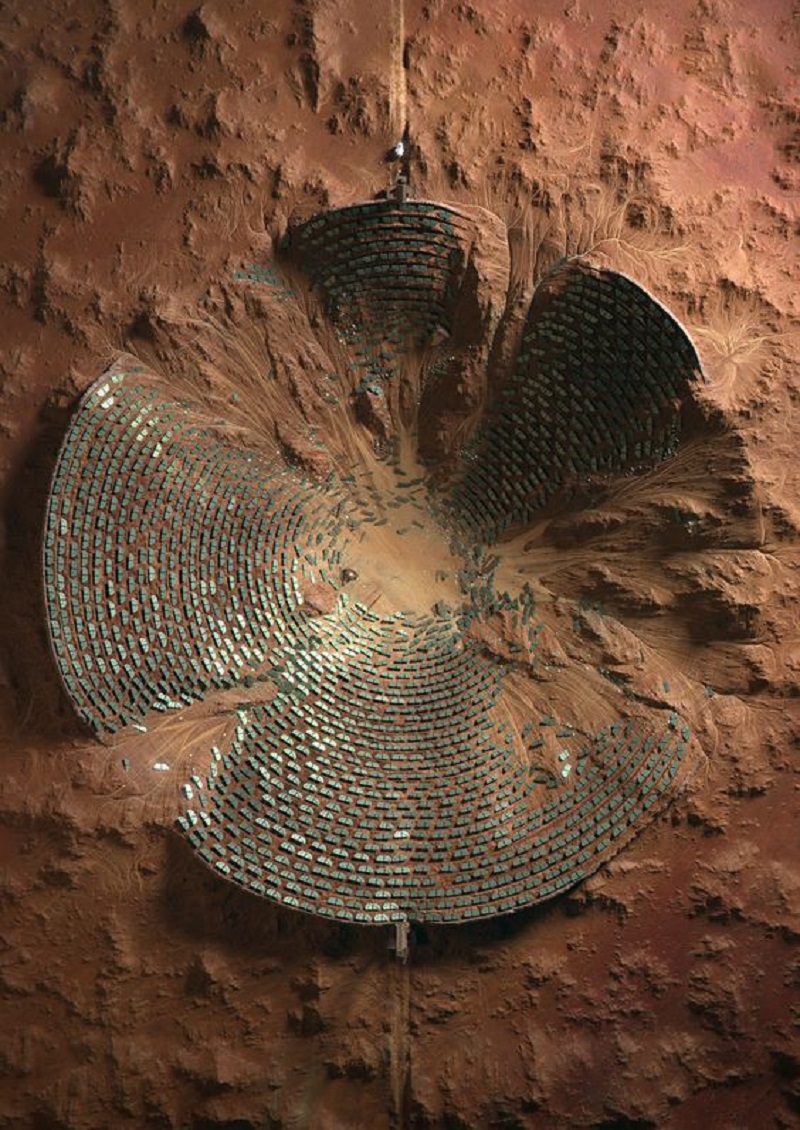
When it comes to imagining the architecture of extraterrestrial civilizations, our creativity knows no bounds. Science fiction has given us a glimpse into a wide range of architectural styles and designs, from sleek, metallic cities to organic, biomechanical structures. The diversity of possibilities reflects the vastness of the cosmos and the infinite potential for life to evolve in unique ways.

II. Adapting to Alien Environments

One of the key factors shaping alien architecture is the environment in which these beings reside. On Earth, life has adapted to a variety of conditions, from the frigid depths of the ocean to the scorching deserts. Alien civilizations, if they exist, would likely face their own set of challenges, such as extreme temperatures, hostile atmospheres, or different gravitational forces. Their architectural choices would be tailored to address these specific needs.

III. The Role of Technology

In considering alien architecture, we must also consider the technological advancements of these civilizations. Advanced technology could allow for gravity-defying structures, self-sustaining habitats, and even the harnessing of energy from celestial sources. In contrast, less advanced civilizations might build with locally available materials and rely on ingenuity to create their habitats.

IV. The Myterity of Alien Habitats

As we ponder the possibilities of alien architecture, we are confronted with an intriguing myterity. The lack of concrete evidence of extraterrestrial life means that our speculations remain firmly in the realm of science fiction and theory. However, with ongoing advancements in astronomy and the search for exoplanets, we may one day discover evidence of alien civilizations, unlocking the secrets of their architecture and habitats.
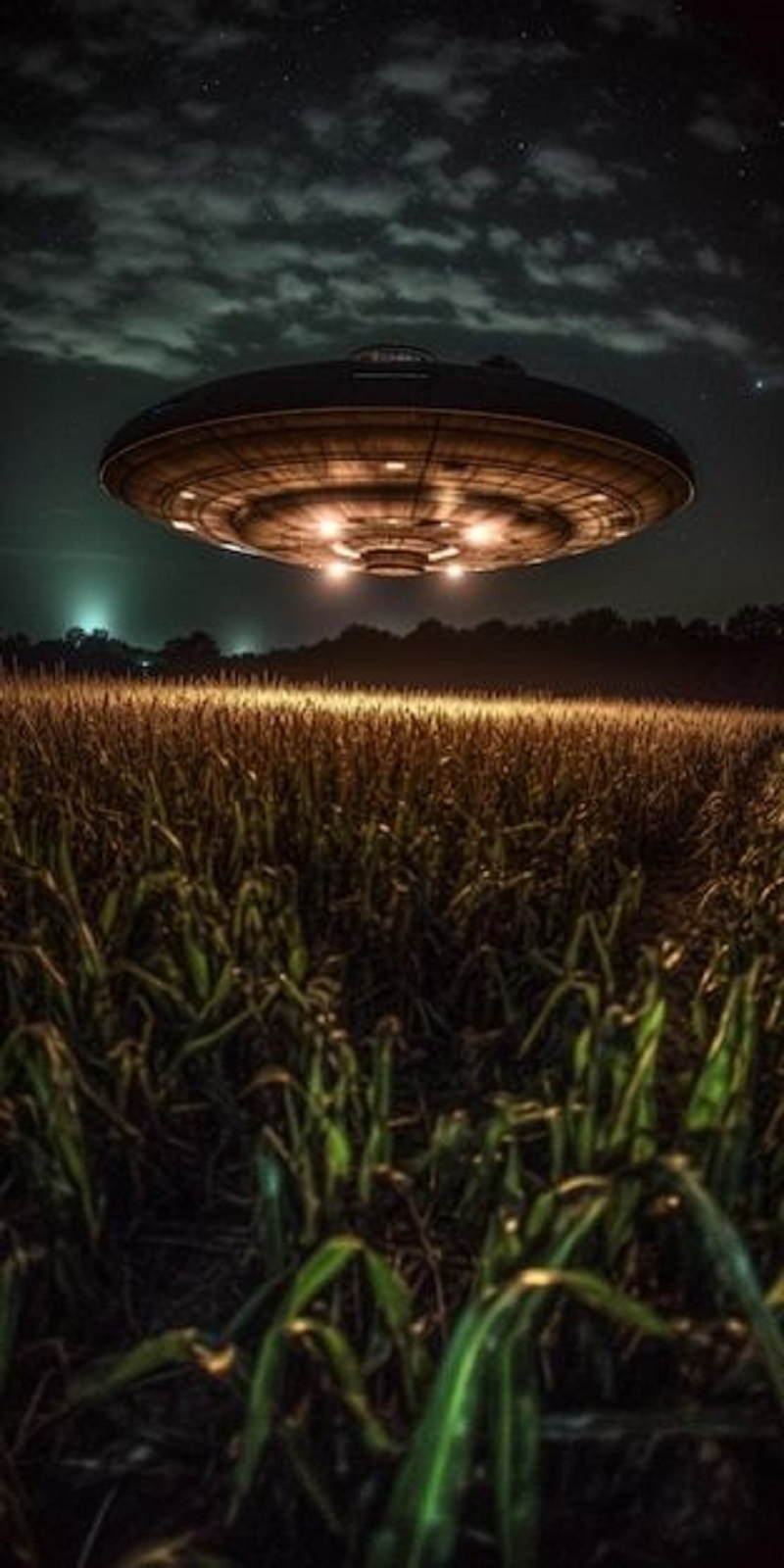
Alien architecture and habitats are a tantalizing subject that bridges the realms of science and imagination. While we have yet to find definitive proof of extraterrestrial life, our exploration of this topic serves as a reminder of the boundless mysteries that the universe holds. Whether we one day encounter advanced alien civilizations or continue to ponder the possibilities from afar, the myterity of alien architecture will continue to captivate our imaginations and drive our curiosity.

In the grand scheme of the cosmos, our search for alien life and its architectural wonders is a quest that pushes the boundaries of human understanding. It reminds us that while we may not have all the answers today, the pursuit of knowledge and exploration of the unknown are fundamental aspects of our human nature. As we gaze at the stars and dream of what lies beyond, the possibilities of alien architecture remain a fascinating and enduring enigma.
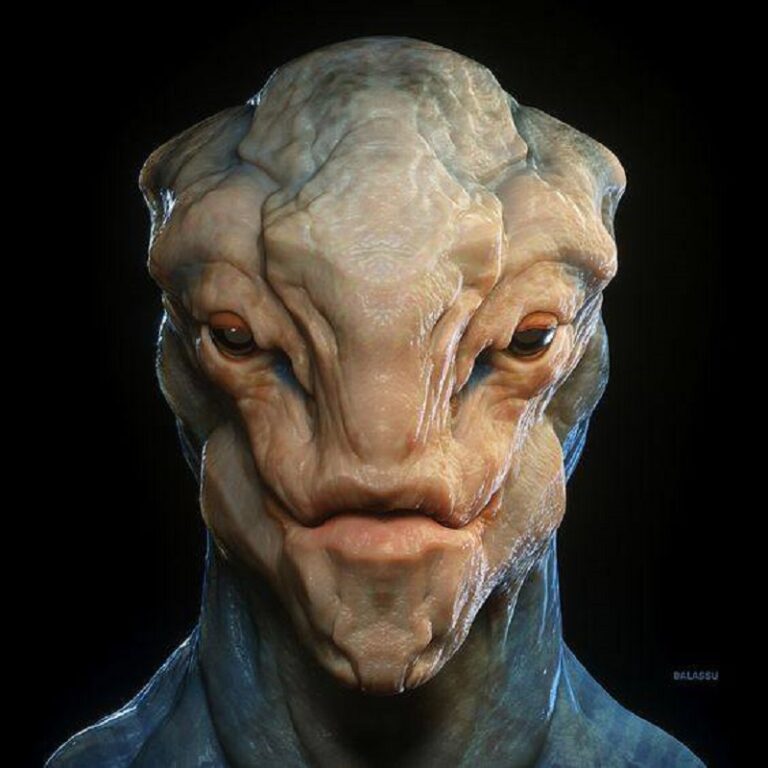
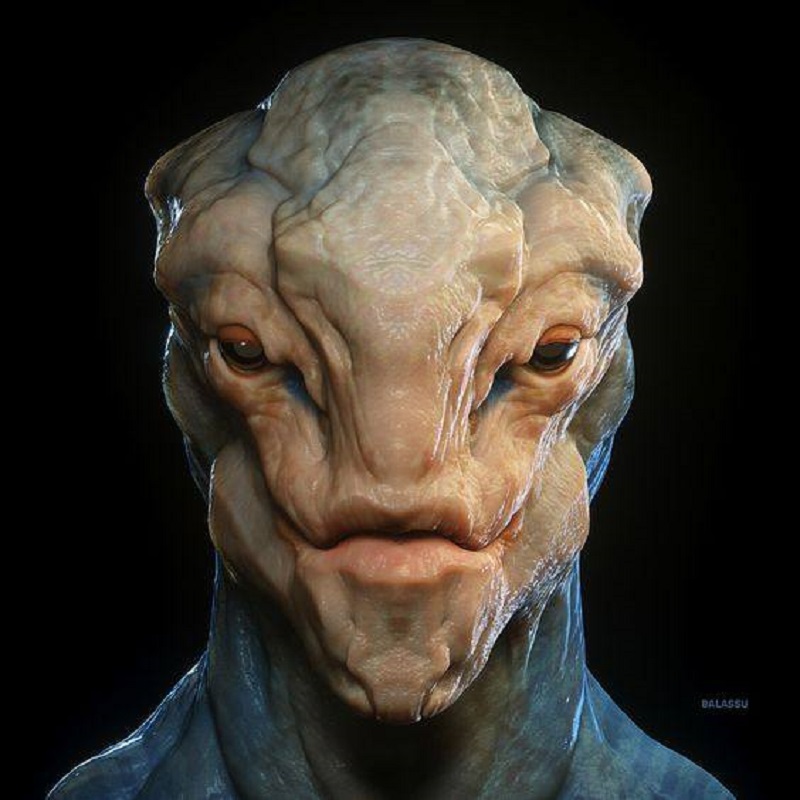
The quest to answer one of the most profound questions in science—Is there life elsewhere in the universe?—has led to the emergence of the captivating field of astrobiology. Astrobiology, at the intersection of biology, chemistry, astronomy, and planetary science, has opened new doors to understanding the potential for life beyond our planet. In this blog post, we will embark on a journey into the world of astrobiology and explore how this field is advancing our understanding of life beyond Earth.

 Astrobiology Research: Unveiling the Secrets of Life Beyond Earth

Pioneering Astrobiology:

 Astrobiology Research: Unveiling the Secrets of Life Beyond Earth

Astrobiology, often referred to as exobiology, is a relatively young field but one filled with excitement and limitless potential. It delves into the fundamental questions about life’s origin, distribution, and the conditions necessary for it to thrive on other celestial bodies. Astrobiologists seek to understand the possibility of extraterrestrial life, drawing from a range of scientific disciplines to explore the myteries of the cosmos.

Life’s Essential Ingredients:

 Astrobiology Research: Unveiling the Secrets of Life Beyond Earth

In the vastness of the universe, researchers are on a quest to identify the key ingredients necessary for life to exist. Water, considered the elixir of life, has been detected on several celestial bodies, including Mars, Europa, and Enceladus. These discoveries raise tantalizing possibilities of subsurface oceans, the potential cradles of life. The exploration of extremophiles—microorganisms that thrive in harsh environments on Earth—also informs our understanding of where and how life might exist beyond our planet.

The Search for Exoplanets:

 Astrobiology Research: Unveiling the Secrets of Life Beyond Earth

A crucial aspect of astrobiology research is the hunt for exoplanets—planets orbiting distant stars that could potentially harbor life. With the advancement of telescopes like Kepler and TESS, scientists have identified thousands of exoplanets, some of which lie within the habitable zone, where conditions might be right for liquid water and life to flourish. The study of exoplanetary atmospheres provides valuable insights into the potential for habitability.

Life Beyond Earth: The Big Question:

 Astrobiology Research: Unveiling the Secrets of Life Beyond Earth

While astrobiology has made significant strides in understanding the conditions required for life, the ultimate question remains: Has life already evolved elsewhere in the universe? Recent discoveries of organic molecules on Mars and the persistent search for microbial life on icy moons bring us closer to unraveling this enduring mytery.

Conclusion: Navigating the Cosmic Frontier:

Astrobiology is a journey into the unknown, an exploration of the myteries of existence beyond Earth. By integrating knowledge from multiple scientific domains, astrobiology research is advancing our understanding of the potential for life in the cosmos. As our tools and technology continue to evolve, the possibilities for discovery expand, and the prospect of finding life beyond Earth becomes more tantalizing. While astrobiology has yet to provide definitive answers, it keeps us engaged in the most profound question of our existence: Are we alone in the universe, or are we but one thread in the intricate tapestry of life that spans the cosmos?

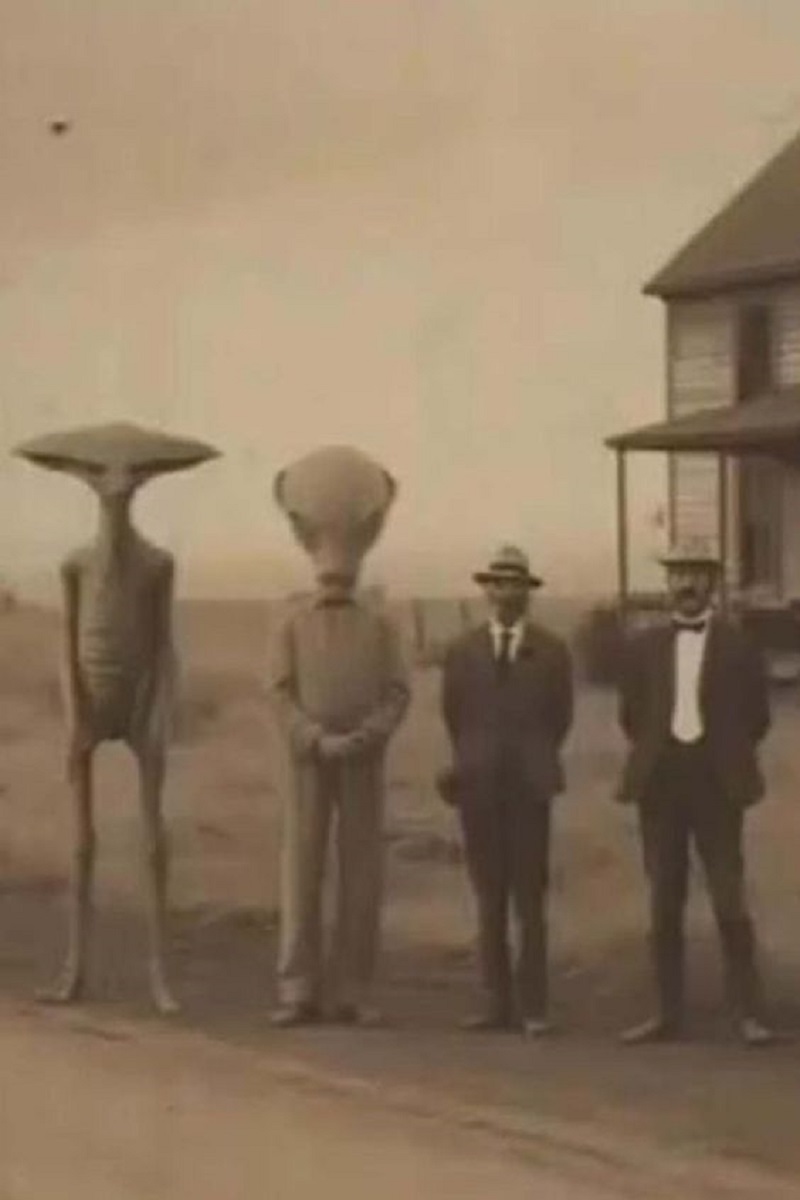
The idea of humanoid aliens, beings that share a striking resemblance to humans, has long been a staple of science fiction and speculation about extraterrestrial life. In this blog post, we’ll delve into the intriguing notion of humanoid aliens and the debates surrounding their potential existence. Are there intelligent beings out there who look remarkably like us, or is this a product of our imagination?

 Humanoids in Science Fiction

The Search for Humanoids Are Aliens Human-like

Science fiction has introduced us to countless humanoid aliens. From the Vulcans in “Star Trek” to the Na’vi in “Avatar,” these fictional beings often serve as a reflection of our own humanity. But how much of this is grounded in science, and how much is a product of creative storytelling?

The Convergent Evolution Hypothesis

The Search for Humanoids Are Aliens Human-like

Some scientists suggest that if life were to evolve on another planet with Earth-like conditions, we might indeed find humanoid aliens. This idea is based on the concept of convergent evolution, where different species independently evolve similar traits when adapting to similar environments.

The Uniqueness of Human Evolution

The Search for Humanoids Are Aliens Human-like

While convergent evolution is plausible for some aspects of humanoid appearance, our species’ unique evolutionary path has led to traits that might not be replicated elsewhere. The human brain, for example, is highly developed, and the odds of finding an identical or near-identical counterpart may be extremely low.

 Beyond the Humanoid Archetype

The Search for Humanoids Are Aliens Human-like

The search for extraterrestrial life encompasses a wide range of possibilities, from microbial organisms to entirely myterious life forms. While humanoid aliens make for captivating stories, they are just one of many potential outcomes. Some scientists argue that truly alien life may defy our expectations.

The Ongoing Myterity of Alien Life

The search for alien life is ongoing, and as we explore exoplanets and other celestial bodies, we may one day find evidence of life that challenges our preconceived notions. Whether we discover humanoid aliens or creatures that are utterly unlike anything on Earth, the quest for understanding our place in the cosmos continues to be one of the most compelling scientific endeavors.

The Search for Humanoids Are Aliens Human-like

The notion of humanoid aliens, with their close resemblance to humans, has fascinated us for generations. While science fiction has provided a rich tapestry of stories featuring such beings, the scientific reality remains uncertain. The search for extraterrestrial life encompasses a wide range of possibilities, and we’re just beginning to scratch the surface of what the universe might hold. As we continue to explore the cosmos, we may find that the myterious world of alien life far exceeds the boundaries of our imagination. Whether humanoid or radically different, the truth is out there, waiting to be discovered.

Mexico, a land steeped in history and culture, holds more than just the remnants of ancient civilizations. Beneath the surface of this culturally rich country lies a mysterious and enigmatic past that has piqued the interest of researchers and enthusiasts alike. In this blog post, we will embark on a journey through the world of extraterrestrial archaeology in Mexico, uncovering the intriguing relics and mysteries that hint at a connection between ancient civilizations and the cosmos.

I. The Ancient Mexican Civilizations

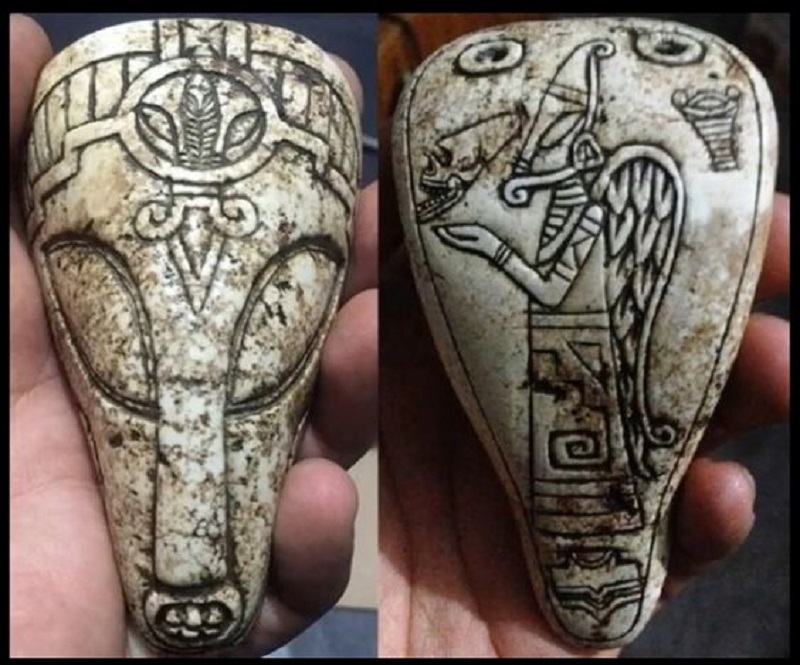
Mexico is known for its remarkable ancient civilizations, including the Maya, Aztec, and Olmec. These cultures left behind a treasure trove of archaeological sites, pyramids, and temples that continue to be studied and admired today. While these civilizations thrived in the heart of Mexico, their historical records often contain tantalizing hints of encounters with otherworldly beings and advanced knowledge.

II. The Mexican Pyramids and Mesoamerican Astronomy

The grand pyramids of Mexico, like the Pyramid of the Sun in Teotihuacan or the Pyramid of Kukulkan in Chichen Itza, are not merely architectural wonders but also celestial observatories. Mesoamerican cultures had a deep understanding of astronomy, using their pyramids to track the movements of the stars, planets, and other celestial bodies. These structures, often aligned with precision to astronomical events, suggest a connection between ancient Mexican cultures and a cosmic awareness.

III. Ojuelos de Jalisco: The UFO Crash Site

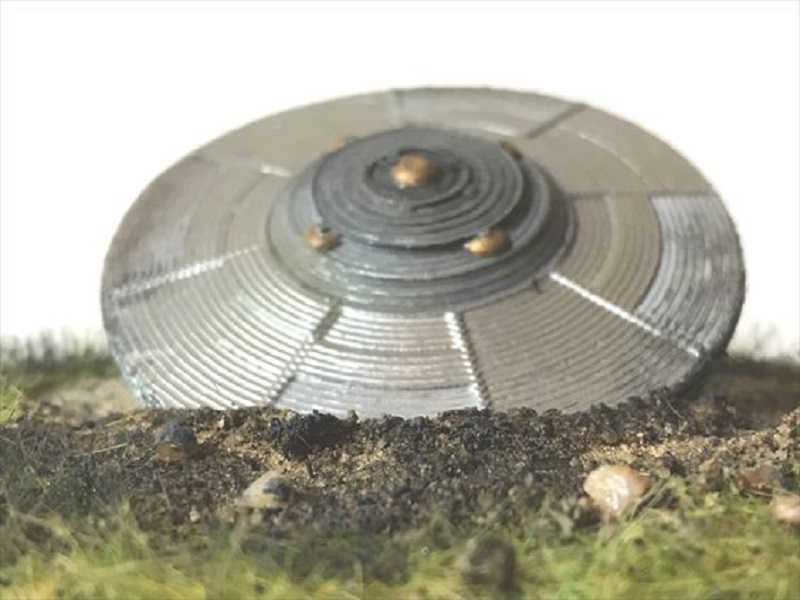
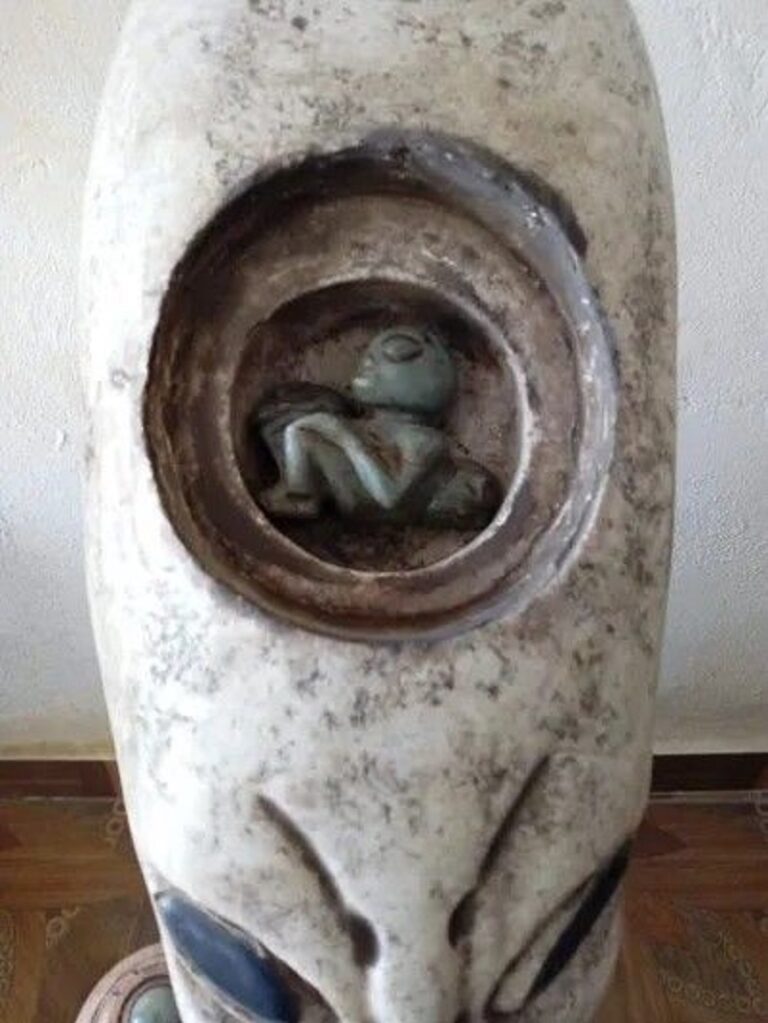
In the quiet town of Ojuelos de Jalisco, Mexico, a mysterious event took place in 1965. According to local accounts, a UFO allegedly crashed into the nearby desert. Although the official explanation attributed the event to a meteorite impact, many believe it to be a UFO crash. Locals reported witnessing unusual debris and encountering beings who did not resemble humans. The site remains a subject of intrigue for those interested in extraterrestrial archaeology.

IV. The Enigma of Alien UFOs

The mysteries surrounding extraterrestrial archaeology in Mexico are part of a broader fascination with the enigmatic and the unknown. While some may view these accounts as folklore or legend, they persistently remind us that the past holds hidden secrets and that the mysteries of the cosmos are woven into the fabric of human history.

The allure of the unknown, the enigmatic tales of the past, and the enduring fascination with alien UFOs in Mexico’s archaeological sites paint a picture of a rich and diverse history. As we delve into the world of extraterrestrial archaeology, we must also acknowledge the fascination with the unknown and the enigmatic world of alien UFOs. Whether we are exploring ancient pyramids, crash sites, or celestial observatories, these accounts serve as a testament to our enduring quest for answers in the face of mystery and the allure of the unexplained.