Skip to content

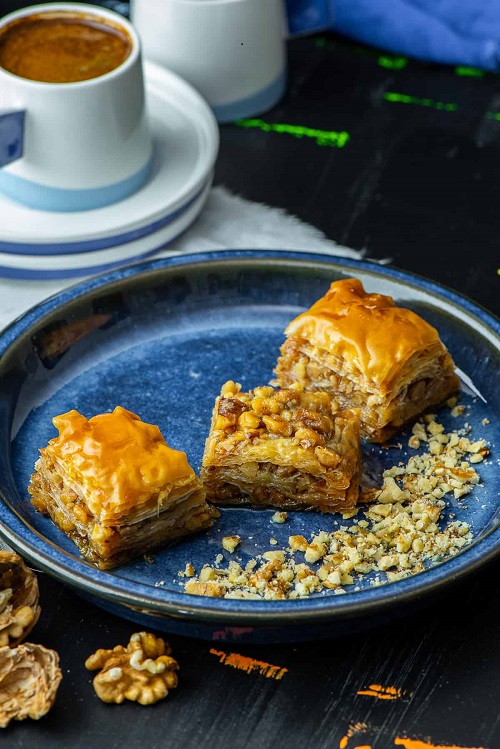
Turkish Baklava is a culinary delight that has enchanted taste buds for centuries, its layers of crispy phyllo dough embracing a rich, nutty filling, all drenched in a heavenly syrup. In this guide, we’ll walk you through the art of crafting this divine dessert, ensuring your baklava turns out perfect every time.
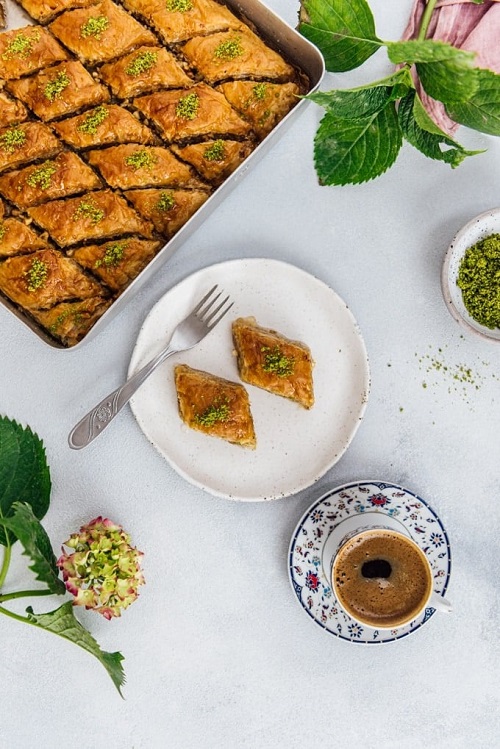
Turkish Baklava

Originating from the heart of the Middle East, Turkish Baklava is a treat synonymous with celebration. To embark on this culinary journey, gather your ingredients: a package of delicate phyllo dough, unsalted butter, walnuts, and the key to its sweetness, a fragrant syrup made from sugar, water, and a hint of lemon. Prepare your senses for an aromatic adventure.
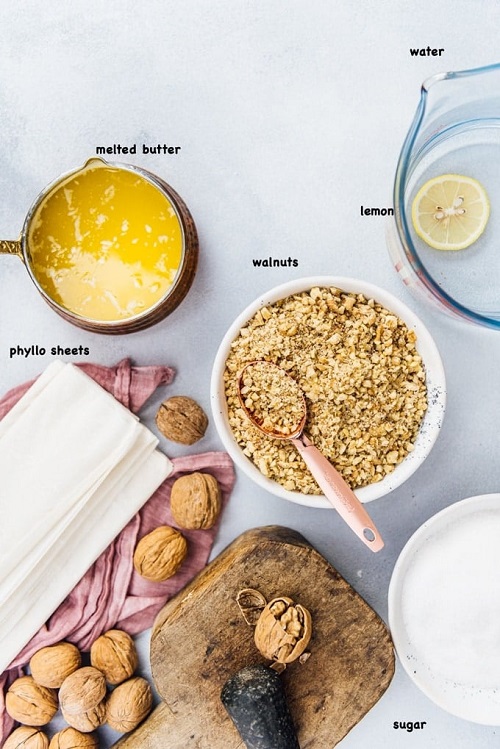
Crafting the Perfect Filling

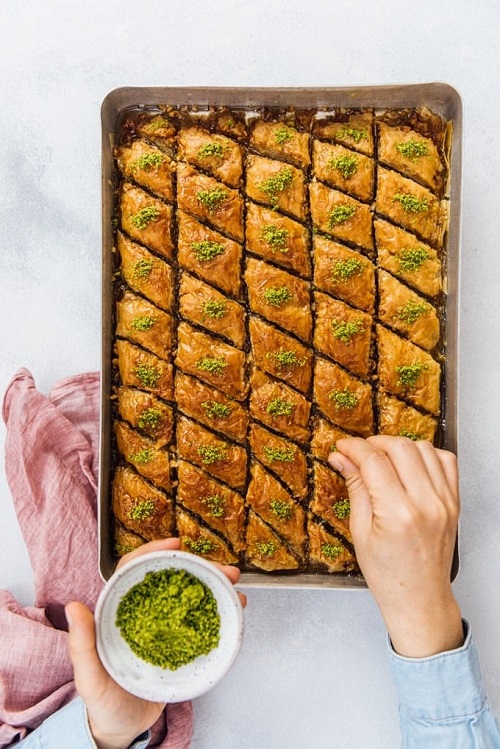
Begin by carefully layering the phyllo sheets, brushing each one with a generous coat of melted butter. Now, let’s delve into the heart of the baklava – the filling. Combine chopped walnuts and ground pistachios, creating a symphony of textures and flavors. Sprinkle this nutty blend generously over the buttered phyllo layers, ensuring every bite promises a delightful crunch.
The Syrup That Sweetens the Deal

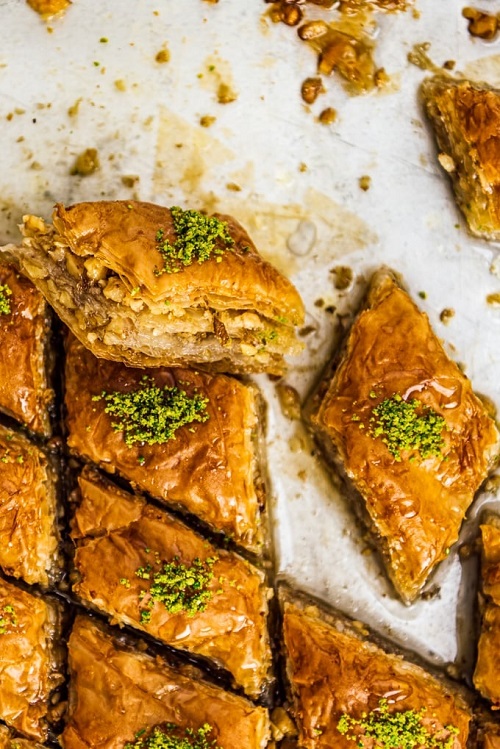
A baklava’s allure lies not just in its crispy layers but also in the divine syrup that bathes it. Simmer sugar, water, and a slice of lemon, letting the mixture transform into a golden, aromatic elixir. Pour this syrup generously over your baked baklava, allowing it to seep into every crevice, infusing the dessert with a heavenly sweetness that tingles the taste buds.
Mastering the Art of Baking

Bake your assembled baklava to golden perfection, allowing the layers to meld into a harmonious union. The aroma wafting through your kitchen will herald the creation of a masterpiece. Remember, patience is the secret ingredient here. Allow your baklava to cool, letting the flavors intensify, promising a truly indulgent experience with every bite.
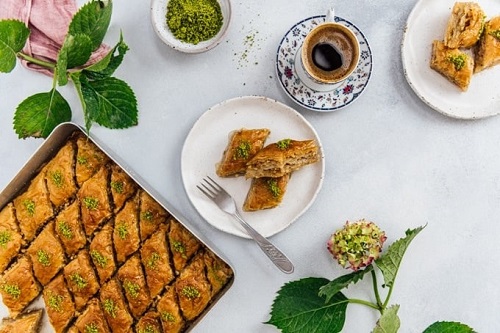
Serving and Savoring the Delight

As you cut into your freshly baked baklava, marvel at the layers, each one representing centuries of culinary expertise. Garnish with a sprinkle of ground pistachios for an elegant touch. Serve this masterpiece on a delicate plate, and with the first bite, let the symphony of textures and flavors transport you to the bustling streets of Istanbul.
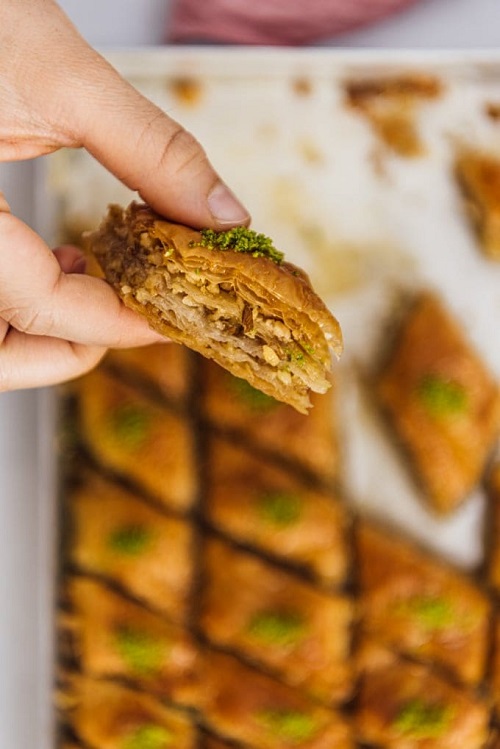
Mastering the art of Turkish Baklava is a journey worth undertaking. With the right ingredients, patience, and a sprinkle of passion, you can create a dessert that embodies the essence of Middle Eastern cuisine. So, roll up your sleeves, gather your ingredients, and let the magic of baklava unfold in your kitchen.


Lyrebirds 3
So, what do you make of it? I wanted this blog post about Lyrebirds, its songs, gorgeous tail, and strange nesting place to start with a video. I thought the video will capture the attention of bird lovers and would poke their curiosity so much that they would like to plan a Lyrebirds safari when time permits.Anticipating such a desire, I have blogged about:

  • Places to see lyrebird in their home grounds
  • Their ability to sing various tunes
  • Their prey

Lyrebirds

OMG! What a plumage! I think they need not sing at all to attract their partners. Their lovely, long tail is more than enough for the female lyrebirds to fall instantly in love. Nevertheless, I suppose the male lyrebirds need to sing loudly to let their opposite gender know about their whereabouts. That is the time the male lyrebirds also raise their tail and spread the feathers to attract their lovers.

The Song of Lyrebirds

I am 100% sure you are simply captivated by the song of the lyrebird. It makes so many different sounds that make the ornithologists say the lyrebird mimics. However, I beg to disagree. It gifted with a great range of song tunes. Oh, I should mention that only the male lyrebirds sing like that.

Lyrebirds 1

What kinds of places where the lyrebirds can be found?

Birds chose to live where their prey are in abundance. The lyrebirds eat worms and insects.  They spotted in wetlands near forests and marshy river banks.

However, though there is no dearth of such places all over the world, the lyrebird somehow chose to live in and around the rainforests in Australia.

Lyrebird’ long-tail an impediment?

Does the voluminous long tail of the lyrebird make flying, a hazardous task? I think so; rather the lyrebirds must think so and that’s why they are not often found in flight.  They mostly walk or run around the forest grounds to peck at their meal.

Lyrebirds 2

Strange habit of male lyrebird

When they want to showcase their beautiful plumage and great singing ability, they somehow find a higher platform on the earth (do they manually make such a place) and go about their business of singing sweetly and dancing with their tail raised over their head. What a performance!

Don’t they resemble the male peacock in a miniature way? In fact, the lyrebirds were once known as peacock-wrens and Australian birds-of-paradise.

Lyrebirds are found in large numbers in:
  • The mountains of Queensland’s southeast part
  • Yarra Valley, Victoria
  • Tasmania
  • Dandenong Ranges near Melbourne
  • Northeast of New South Wales
  • South Gippsland, Southeast Victoria

I wonder if the lyrebird are endemic to the rainforests and mountains of Australia!

There are five national park areas in Australia where the beautiful lyrebirds are spotted in their habitat. However, you can only see them if you are lucky as the lyrebird is extremely shy of human beings.

  1. The Badger Weir Walks, Victoria
  2. Eastern Sherbrooke Forest walk, Kallista, Victoria
  3. Eagles Nest walk, New England National Park, New South Wales, Australia
  4. Olinda Creek Walking track, Melbourne (50 km only)
  5. Lyrebird Forest walk, Gippsland, Victoria

To and fro, you will walk for about 5 km approximately through the Gippsland’s forested area. If you are intent on spotting the lyrebird, you must walk slowly, looking around for the elusive lyrebird. It may take about 90 minutes to come back after reaching the walking track.

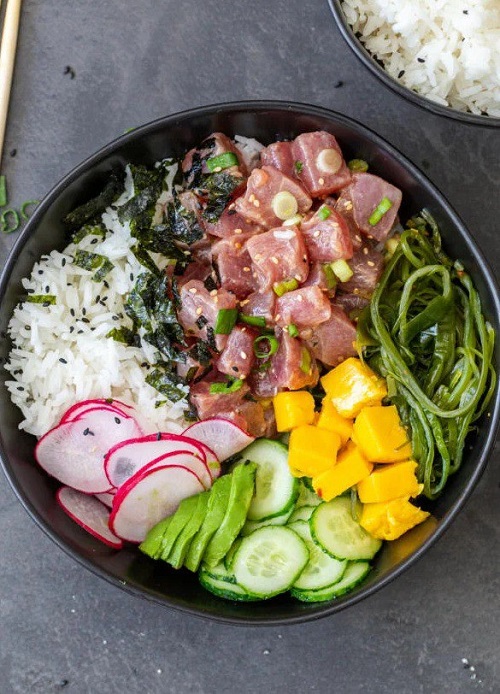
Hawaiian Poke Bowl, a delightful blend of fresh ingredients and bold flavors, has become a culinary sensation worldwide. With its vibrant colors and rich taste, mastering the art of creating the perfect Hawaiian Poke Bowl is a rewarding experience that brings the spirit of the Pacific islands right to your plate. In this guide, we will take you through the step-by-step process of preparing this exquisite dish that tantalizes your taste buds and leaves you craving for more.

The Essence of Poke Marinade

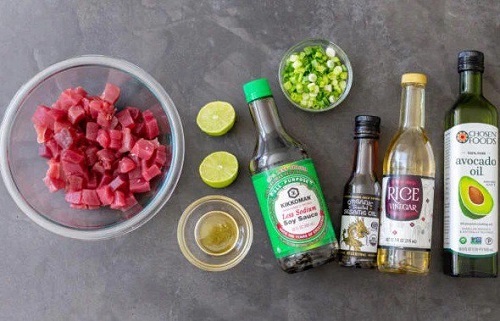
At the heart of every Hawaiian Poke Bowl lies the exquisite Poke Marinade. Begin your culinary adventure by selecting 12 oz of sushi-grade tuna or salmon, cut into tantalizing cubes. In a mixing bowl, combine 2 tbsp of soy sauce, 2 tbsp of rice vinegar, 1 tbsp of oil, 1 tbsp of lime juice, 2 tbsp of sesame oil, and a teaspoon of honey. This flavorful concoction, enhanced with the freshness of chopped green onions, forms the foundation of your Poke Bowl, infusing it with authentic Hawaiian taste.

Crafting the Spicy Aioli

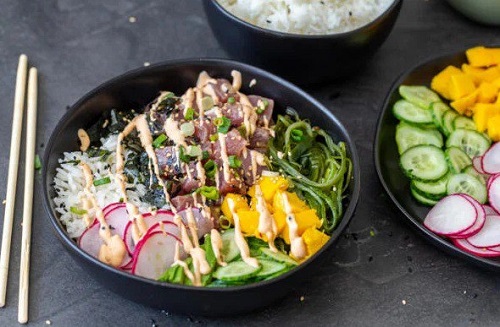
Elevate the taste profile of your Poke Bowl by preparing a zesty Spicy Aioli. In a bowl, blend 1/3 cup of mayonnaise with 2 tbsp of sriracha sauce, creating a creamy, spicy dressing that adds a kick to your dish. This aioli serves as the perfect complement to the succulent pieces of fish, enhancing their natural flavors and providing a satisfying contrast to the fresh vegetables.

Assembling the Perfect Poke Bowl

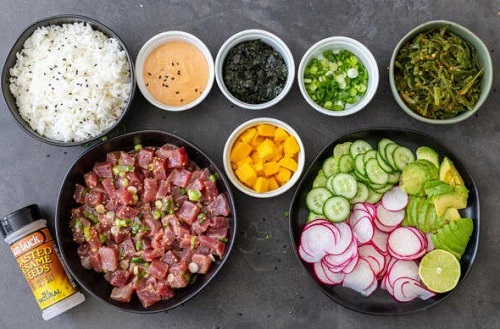
With your Poke Marinade and Spicy Aioli ready, it’s time to assemble your Poke Bowl masterpiece. Start by placing a generous portion of thinly sliced cucumber as the base. Add 2 cups of cooked rice, creating a wholesome foundation for your bowl. Arrange the avocado slices, seaweed salad, and radishes around the edges, creating a visually appealing display of colors and textures. Sprinkle chopped green onions, mango cubes, and dry seaweed garnish for an extra burst of freshness. Finish by drizzling the prepared Poke Marinade and Spicy Aioli over the bowl and garnishing with sesame seeds, adding a delightful crunch to each bite.

The Art of Presentation

Presentation is key to making your Hawaiian Poke Bowl not only a culinary delight but also a visual masterpiece. Take your time to arrange the ingredients thoughtfully, creating a harmonious balance of colors and textures. The vibrant hues of the mango and avocado, combined with the deep green of the seaweed and the vibrant red of the radishes, make your dish visually appealing, enticing your guests before they even take the first bite.

Indulge in the Exquisite Flavors

As you take your first bite, savor the exquisite flavors that dance on your palate – the freshness of the fish, the crunch of the vegetables, and the spicy kick of the aioli. Each element of the Hawaiian Poke Bowl contributes to a symphony of tastes that transports you straight to the shores of Hawaii. So, indulge in this culinary masterpiece and experience the magic of Hawaiian cuisine in every mouthful.

At the end of this culinary journey, you have not only learned the art of cooking the perfect Hawaiian Poke Bowl but have also embraced the essence of Hawaiian culture through its rich and diverse flavors. Now, go ahead, gather your ingredients, and embark on your own flavorful adventure, creating a culinary masterpiece that will be remembered and cherished.

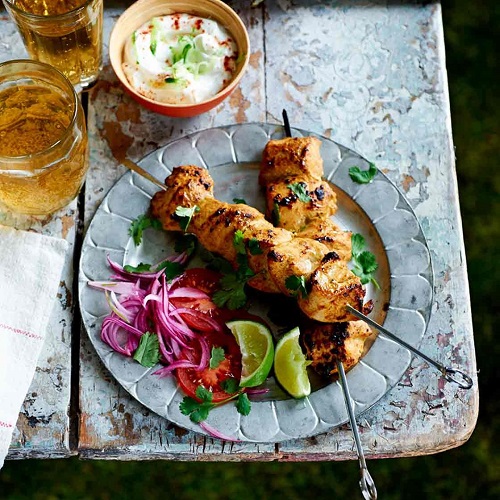
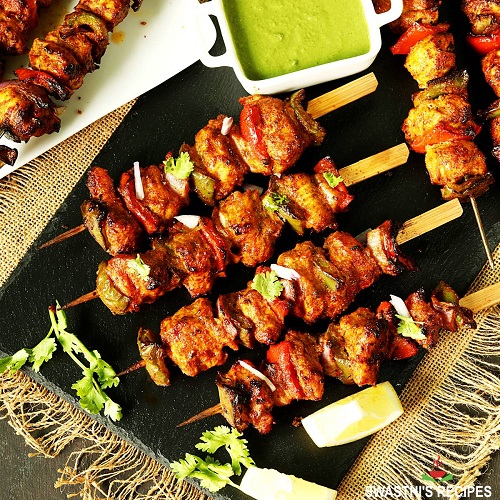
Indulge in the tantalizing world of Indian cuisine with our exquisite Chicken Tikka Skewers recipe. In this culinary adventure, we will teach you how to create a mouthwatering dish that combines the zesty freshness of lemons, the richness of olive oil, and the aromatic allure of Patak’s tikka masala spice paste. Get ready to embark on a flavorful journey that will delight your taste buds and impress your guests!

To start, gather your ingredients: 2 lemons for a burst of citrusy goodness, a dash of olive oil for that perfect tenderness, 2 teaspoons of Patak’s tikka masala spice paste for an authentic Indian flavor, and 2 tablespoons of natural yoghurt to create a creamy marinade. For an extra tropical twist, add freshly sliced pineapple and a kick of spice with red chillies. Combine these elements with tender, skinless free-range chicken breasts, and you’re well on your way to a culinary masterpiece.

In a bowl, mix the tikka masala spice paste with the yoghurt, olive oil, and the juice of the lemons. Dice the chicken breasts into bite-sized pieces and immerse them in this aromatic marinade, ensuring each piece is coated thoroughly. Let the chicken marinate for at least an hour to absorb all the wonderful flavors. Meanwhile, prepare the pineapple, chillies, and lettuce for the skewers, adding a refreshing and spicy contrast to the savory chicken.

Assemble the marinated chicken, pineapple, and chillies onto skewers, creating a vibrant and enticing display of colors and textures. Fire up your grill or barbecue, and cook the skewers to perfection, allowing the marinade to caramelize and infuse the ingredients with a smoky essence. While grilling, chop the little gem lettuces and fresh coriander, adding a crisp and herbaceous element to your dish.

Serve your Chicken Tikka Skewers on a bed of freshly chopped lettuce, garnished with coriander, and accompanied by a side of natural yoghurt for dipping. The harmony of flavors and textures in this dish is sure to impress your guests and make you a culinary hero. So, why wait? Gather your ingredients, follow our simple steps, and treat yourself to the delightful experience of savoring homemade Chicken Tikka Skewers infused with the magic of Patak’s spice paste.

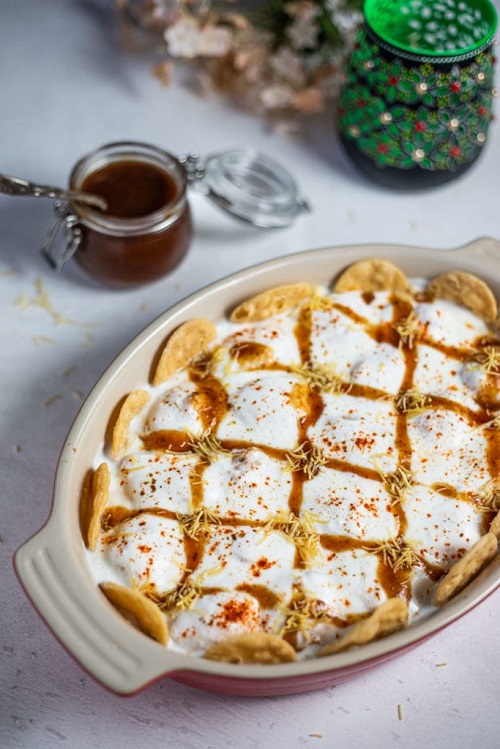
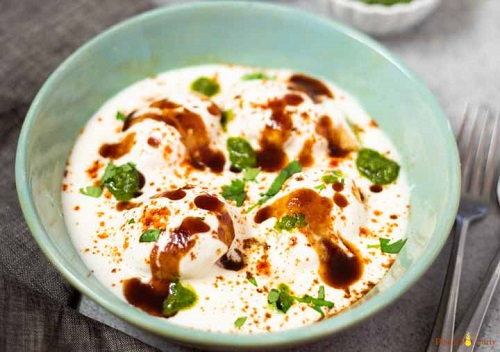
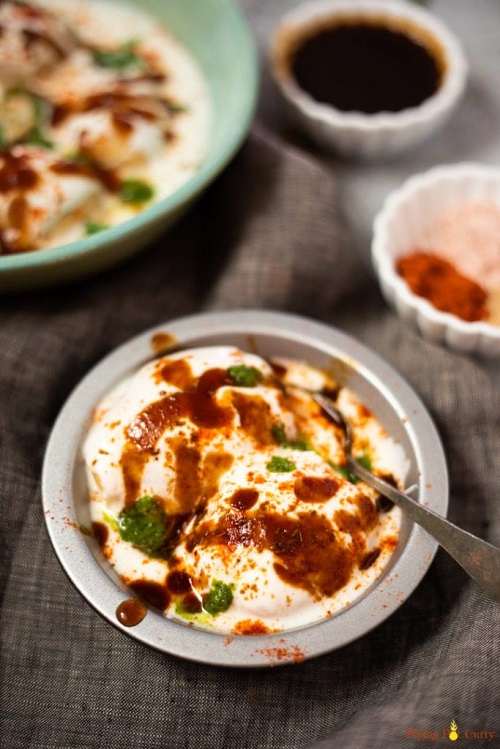
Dahi Vada, also known as Dahi Bhalla Chaat, is a popular Indian street food loved by food enthusiasts all over the world. This delightful dish combines the goodness of lentils, the freshness of yogurt, and the kick of various spices to create a culinary masterpiece. In this blog post, we will guide you through a step-by-step process to prepare these soft, flavorful vadas that will tantalize your taste buds. So, let’s dive into the world of spices and flavors as we unravel the secrets of making the perfect Dahi Vada!

To start your Dahi Vada adventure, gather the following ingredients: 3/4 cup Split Skinned Black Gram Lentils (Urad dal), 3 tablespoons Split Yellow Lentils (Moong Dal), 1 Green Chili Pepper, 1 inch Ginger, 1/2 teaspoon Salt (adjust to taste), and Oil for frying the vadas. For assembling, you’ll need 2 cups of chilled Yogurt, 1/4 teaspoon Salt (adjust to taste), 1/2 teaspoon Sugar (adjust to taste), 1/4 cup Tamarind Chutney, 2 tablespoons Mint Cilantro Chutney, 1/2 teaspoon Roasted Ground Cumin (Jeera powder), 1/4 teaspoon Kashmiri red chili powder, and chopped Cilantro leaves for garnishing. These ingredients are the building blocks of the delicious Dahi Vada you’re about to create.

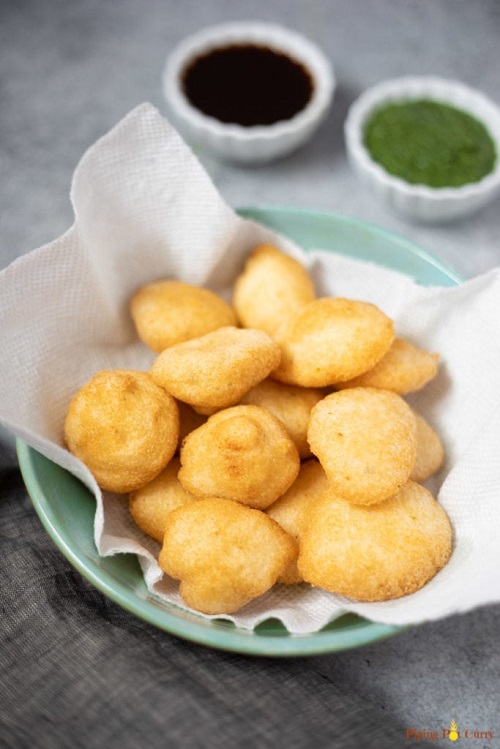
Begin by soaking the Urad dal and Moong Dal in water for a few hours until they become soft. After draining the water, blend the lentils with green chili, ginger, and salt to form a smooth paste. Shape this mixture into small rounds and fry them until golden brown, creating the crispy vadas that are the heart of Dahi Vada. Be sure to drain excess oil to keep them light and flavorful.

Once your vadas are ready, immerse them in warm water for a while. This step ensures that the vadas absorb water, making them soft and spongy. Afterward, gently squeeze out the excess water and arrange the vadas in a serving dish. Now, generously pour the whipped yogurt over the vadas. The yogurt should be well-beaten and seasoned with salt and sugar to balance the flavors. Top it off with tamarind chutney, mint cilantro chutney, roasted ground cumin, and Kashmiri red chili powder for that perfect blend of sweet, tangy, and spicy tastes.

Garnish your Dahi Vada with freshly chopped cilantro leaves, adding a burst of color and freshness. Now, your Dahi Vada (Dahi Bhalla Chaat) is ready to be enjoyed! Serve it chilled and watch as your guests indulge in this delectable delight. So, don your apron, gather your ingredients, and embark on a culinary journey that promises to satisfy your cravings and impress your guests. Happy cooking!

For decades, the fascination with the unknown has fueled a myriad of conspiracy theories and tales of unidentified flying objects (UFOs). While some dismiss these theories as far-fetched and implausible, they continue to captivate the imaginations of many, raising questions about what might lie beyond our world. This article delves into the world of conspiracy theories and UFO sightings, exploring their history and the enduring mystery that surrounds them.

Conspiracy Theories and UFOs: Unraveling the Myteries Beyond the Stars

The Birth of Modern Conspiracy Theories

The roots of modern conspiracy theories can be traced back to the mid-20th century, a time when the world was grappling with the aftermath of World War II and the rise of the Cold War. It was during this period that reports of UFO sightings began to gain prominence. The 1947 incident in Roswell, New Mexico, remains one of the most famous cases, where an alleged UFO crash led to government secrecy and conspiracy theories that persist to this day.

Conspiracy Theories and UFOs: Unraveling the Myteries Beyond the Stars

Conspiracy theories often suggest that governments and military organizations worldwide are involved in a vast cover-up, concealing evidence of extraterrestrial encounters. They propose that these agencies have hidden knowledge about advanced alien technologies and secret collaborations with otherworldly beings.

Conspiracy Theories and UFOs: Unraveling the Myteries Beyond the Stars

UFO Sightings: The Puzzling Encounters

UFO sightings have been reported globally, with thousands of accounts from credible witnesses, including pilots, military personnel, and even astronauts. These encounters range from unexplained lights in the sky to close encounters with strange, unidentified craft. Some have reported alien abductions, adding a sinister aspect to the phenomenon.

Conspiracy Theories and UFOs: Unraveling the Myteries Beyond the Stars

One notable account is the 1967 incident at Malmstrom Air Force Base in Montana, where multiple ICBM missiles inexplicably shut down while UFOs were reported in the vicinity. These incidents have raised questions about the potential interest of extraterrestrial beings in our nuclear capabilities and their ability to interfere with them.

Conspiracy Theories and UFOs: Unraveling the Myteries Beyond the Stars

The Scientific Search for Answers

While many conspiracy theories remain speculative, scientific research into the UFO phenomenon continues. In recent years, the U.S. government has declassified and released footage of encounters between military pilots and unidentified aerial objects. These releases have sparked renewed interest in the subject.

A more systematic and methodical approach is needed to investigate UFO sightings and determine their origins. Some scientists argue that these objects could be advanced military technologies or atmospheric anomalies, while others remain open to the possibility of extraterrestrial visitations.

The Enduring Enigma

The world of conspiracy theories and UFOs is filled with stories of government secrecy, alien encounters, and unexplained phenomena. While skepticism and rational inquiry are vital, the enduring allure of these mysteries persists. The allure of the unknown, the possibility of life beyond our planet, and the desire to comprehend our place in the universe continue to fuel interest in conspiracy theories and UFOs.

Conspiracy Theories and UFOs: Unraveling the Myteries Beyond the Stars

As technology advances and our understanding of the cosmos deepens, it remains to be seen whether we will one day unravel the enigma of UFOs and uncover the truth behind these enduring mysteries. Until then, the fascination with the unexplained and the exploration of what lies beyond the stars will continue to captivate the human spirit, inspiring the search for answers in the vast expanse of the universe.

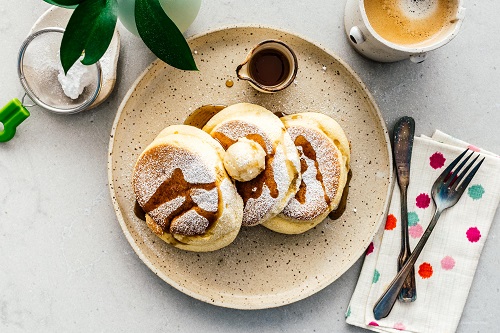
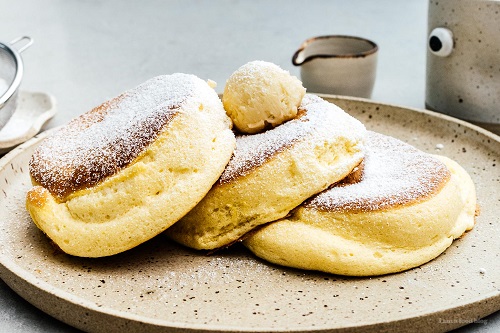
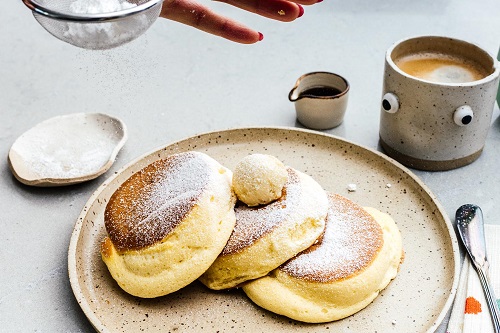
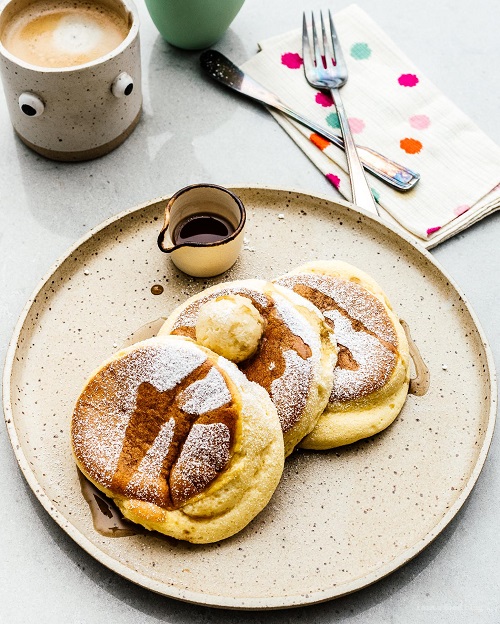
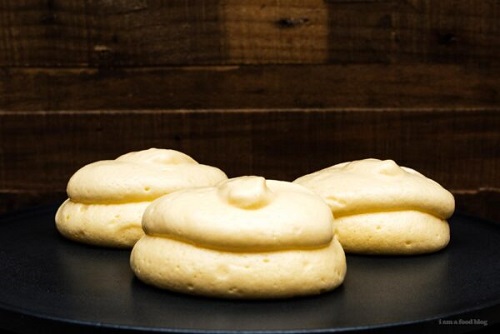
Japanese pancakes, with their fluffy texture and irresistible taste, have taken the culinary world by storm. If you’re eager to recreate these delectable treats in the comfort of your own kitchen, you’re in for a treat! In this guide, we’ll walk you through the step-by-step process of making the perfect Japanese pancakes that will delight your taste buds and impress your guests.

1. Gather Your Ingredients

To begin your Japanese pancake journey, gather the following ingredients:

  • Yolks:
    • 1 egg yolk (18g)
    • 1 tbsp sugar (12g)
    • 2 tbsp milk (30g)
    • 3 tbsp flour (30g)
    • 1/4 tsp baking powder (1g)
  • Whites:
    • 2 large egg whites (60g)
    • 1/8 tsp cream of tartar (0.4g)
    • 1.5 tbsp sugar (18g)

2. Mix the Yolk Batter

Start by whisking together the egg yolk and sugar until it becomes creamy and pale. Add milk to the mixture, followed by flour and baking powder. Blend until you achieve a smooth, lump-free batter. This yolk mixture forms the base of your pancakes, giving them their rich, flavorful interior.

3. Prepare the Egg White Mixture

In a separate bowl, beat the egg whites until frothy. Add cream of tartar to stabilize the whites and continue whipping until soft peaks form. Gradually add sugar and beat until glossy and stiff peaks form. The egg white mixture provides the essential fluffiness to your pancakes, making them light and airy.

4. Combine and Cook

Gently fold the egg white mixture into the yolk batter. Be delicate to maintain the airy texture. Heat a non-stick pan over medium-low heat and spoon the batter onto it, forming pancakes of your desired size. Cook until bubbles form on the surface, then flip and cook until golden brown on the other side.

5. Serve and Enjoy

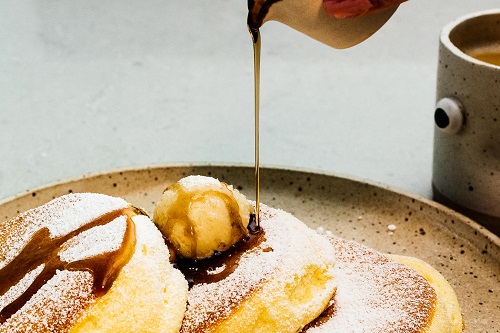
Once your pancakes are beautifully golden and fluffy, stack them on a plate. Top with your favorite syrup, fresh fruits, or a dollop of whipped cream. These delightful Japanese pancakes are best enjoyed warm, so dig in and savor the heavenly taste!

Mastering the art of cooking Japanese pancakes is a delightful culinary adventure that brings joy to both the cook and those lucky enough to indulge in the finished product. With a bit of patience and a handful of simple ingredients, you can create these heavenly pancakes in your own kitchen. So, put on your apron, gather your ingredients, and embark on this flavorful journey!
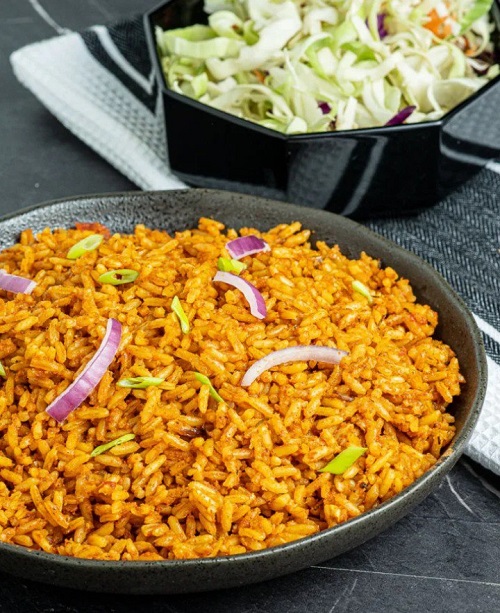
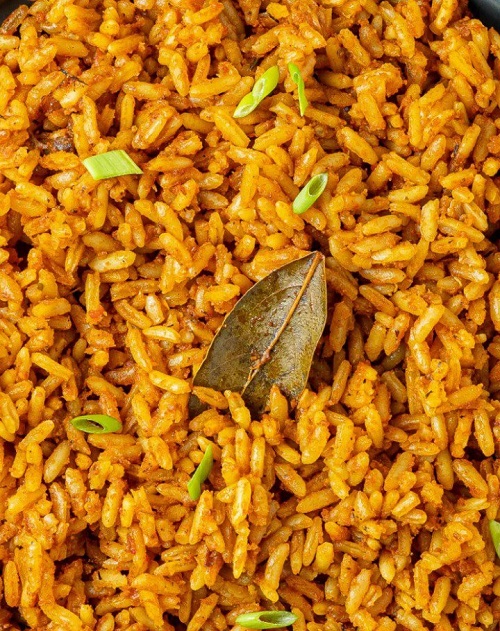
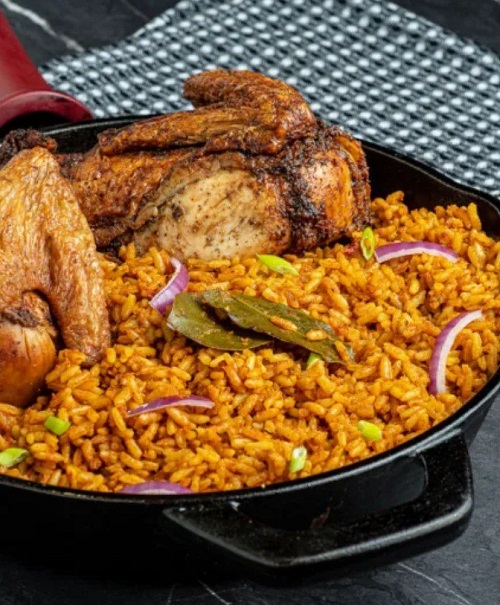
Jollof Rice, the crown jewel of West African cuisine, is a delectable and aromatic dish that has captured the hearts and taste buds of food enthusiasts worldwide. Originating from the diverse culinary landscape of Nigeria, Jollof Rice stands as a testament to the rich flavors and cultural heritage of the region. In this culinary adventure, we’ll guide you through the step-by-step process of creating the perfect Jollof Rice, ensuring that your kitchen is filled with the tantalizing aroma of this iconic dish. So, let’s dive into the heart of West African cuisine and unravel the secrets of cooking the perfect Jollof Rice.
Gathering the Ingredients

Before we embark on our cooking journey, let’s gather the essential ingredients that will bring our Jollof Rice to life. For the sauce, we need the vibrant hues of 3 red bell peppers, 3 plum tomatoes, 1 medium onion, and 2 scotch bonnet peppers for that perfect balance of spice. Blend these ingredients with care, adding 1/4 cup of water to create a smooth, flavorful sauce. For the Jollof itself, embrace the aromatic blend of 1/2 cup of oil, 1 medium sliced onion, 4 tablespoons of tomato paste, 4 cloves of finely minced garlic, and 1 tablespoon of grated ginger. Elevate the dish’s taste with the addition of bay leaves, thyme, curry powder, salt, white pepper, and chicken bouillon powder (or cubes) to taste. To bring it all together, you’ll need 4 cups of long grain rice, rinsed and drained, and 3-4 cups of chicken stock. Finally, add a touch of freshness with slices of large tomato and medium onion, and enhance the richness with 2 tablespoons of room-temperature butter.

The Cooking Process

Creating the perfect Jollof Rice is a meticulous yet rewarding process. Heat the oil in a pot and sauté the sliced onions until golden brown. Add the tomato paste, minced garlic, and grated ginger, allowing the flavors to meld together. Stir in the blended sauce, bay leaves, thyme, curry powder, salt, white pepper, and chicken bouillon powder, cooking until the sauce thickens and the oil begins to rise to the surface. This is the heart of your Jollof, a rich, flavorful base that will infuse the rice with a myriad of tastes. Add the rinsed rice, stirring gently to coat each grain with the luscious sauce. Pour in the chicken stock, cover the pot, and let the rice simmer until tender and infused with the essence of the spices. Garnish your Jollof Rice with slices of tomato and onion, allowing their natural sweetness to enhance the dish’s complexity. Finish by incorporating the room-temperature butter, lending a velvety finish to your culinary masterpiece.

As your kitchen fills with the enticing aroma of Jollof Rice, you have embarked on a culinary journey that celebrates the heart and soul of West African cuisine. With patience, care, and a touch of creativity, you’ve mastered the art of cooking this beloved dish. Whether you’re sharing it with family, friends, or savoring it alone, Jollof Rice is more than a meal; it’s a cultural experience that connects us to the vibrant traditions of West Africa. So, gather your ingredients, ignite your passion for cooking, and let the enchanting flavors of Jollof Rice transport you to a world of culinary delight.

Throughout history, various civilizations have left behind a trail of enigmatic artifacts that continue to perplex archaeologists, historians, and UFO enthusiasts. These objects, some of which defy conventional explanations, have sparked numerous theories about extraterrestrial influences on ancient Earth. In this blog post, we will delve into the world of ancient alien artifacts, exploring a selection of these puzzling objects, the theories surrounding them, and the enduring mysteries that persist.

I. The Antikythera Mechanism: Ancient Precision Machinery

Ancient Alien Artifacts Puzzling Objects from History

The Antikythera Mechanism is a remarkable artifact discovered in 1901 off the coast of the Greek island of Antikythera. Dating back to the 2nd century BCE, this complex mechanical device has baffled researchers with its intricate gears and dials. It is believed to have been used for astronomical calculations and represents an astounding level of technological sophistication for its time, prompting some to speculate about possible extraterrestrial influence.

II. The Dropa Stones: Alien Discs of Ancient China

Ancient Alien Artifacts Puzzling Objects from History

The Dropa Stones, also known as the Dzopa stones, are a collection of disk-shaped objects discovered in the mountains of China in 1938. These stones are inscribed with strange hieroglyphs that, when deciphered, allegedly tell the story of a crashed UFO and its crew, known as the Dropa. While many consider the Dropa Stones to be an elaborate hoax, the mystery of their origin and purpose endures.

III. The Saqqara Bird: Ancient Aviation in Egypt

Ancient Alien Artifacts Puzzling Objects from History

The Saqqara Bird is a wooden sculpture dating back to ancient Egypt, approximately 2,200 years ago. Its shape strikingly resembles a modern airplane, complete with wings and a tail. Some speculate that the Saqqara Bird could be a representation of advanced knowledge in aerodynamics or even evidence of ancient aviation, suggesting that ancient Egyptians may have had contact with extraterrestrial beings.

IV. The Baghdad Battery: Ancient Electricity in Mesopotamia

Ancient Alien Artifacts Puzzling Objects from History

The Baghdad Battery is a curious artifact dating back to the Parthian period (250 BCE – 224 CE) discovered near Baghdad, Iraq. It consists of a clay jar with a copper cylinder inside and an iron rod. Some theorists propose that the Baghdad Battery may have been an early form of electric battery, challenging our understanding of ancient technological capabilities and raising questions about potential extraterrestrial influence.

V. The Nazca Lines: Mysterious Geoglyphs in Peru

Ancient Alien Artifacts Puzzling Objects from History

The Nazca Lines are a series of enormous geoglyphs etched into the arid desert floor of southern Peru. Created by the Nazca civilization over a thousand years ago, these giant drawings of animals, plants, and geometric shapes can only be fully appreciated from the air. Their purpose remains a subject of debate, with some suggesting that their precise execution could have been guided by extraterrestrial beings.

The Enigma of Alien UFOs

Ancient Alien Artifacts Puzzling Objects from History

The world of ancient alien artifacts is a testament to the enduring human fascination with the mysteries of the past and the possibility of extraterrestrial influences on Earth’s history. While some of these artifacts can be attributed to conventional explanations or hoaxes, others continue to challenge our understanding of ancient civilizations and their technological achievements.

In our exploration of these puzzling objects, it is essential to maintain a balance between curiosity and skepticism. While the allure of ancient alien artifacts is undeniable, rigorous research, scientific analysis, and a critical approach are crucial in uncovering the truth behind these enigmatic objects.

As we ponder the mysteries of ancient alien artifacts and the enduring questions they raise about the possibility of extraterrestrial influences on Earth’s history, we must also acknowledge the fascination with the unknown and the enigmatic world of alien UFOs. Whether these artifacts are ultimately explained through conventional means or continue to perplex us, the mysteries of the cosmos and our own history remain a source of wonder and exploration.

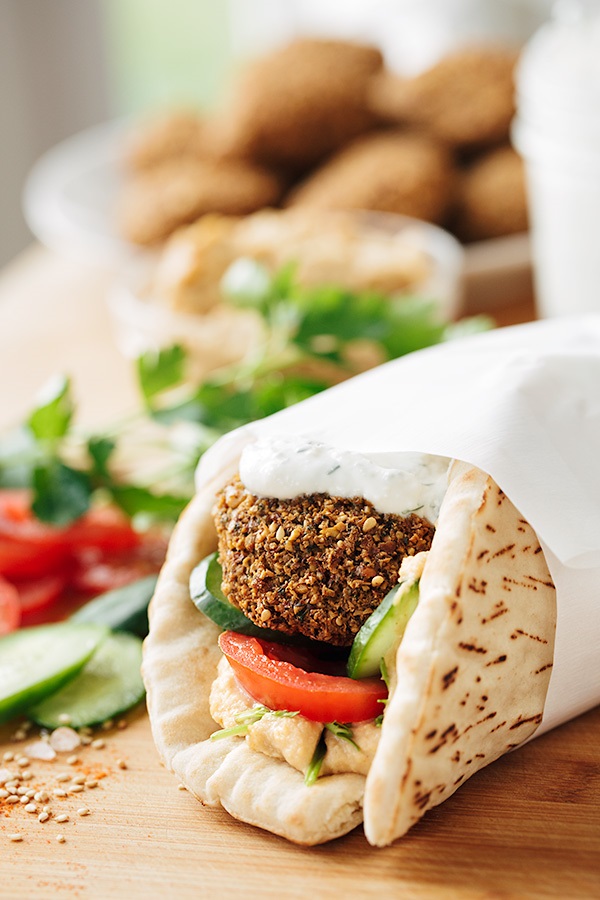
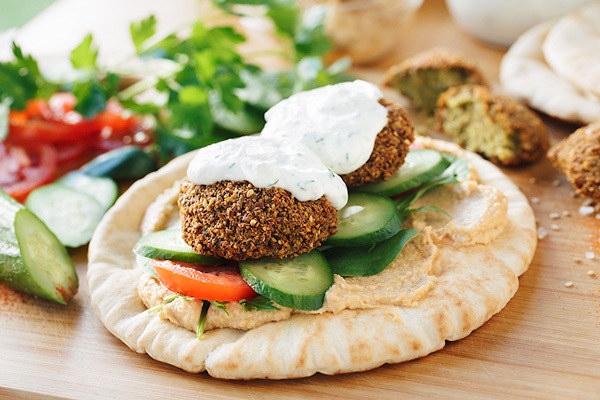
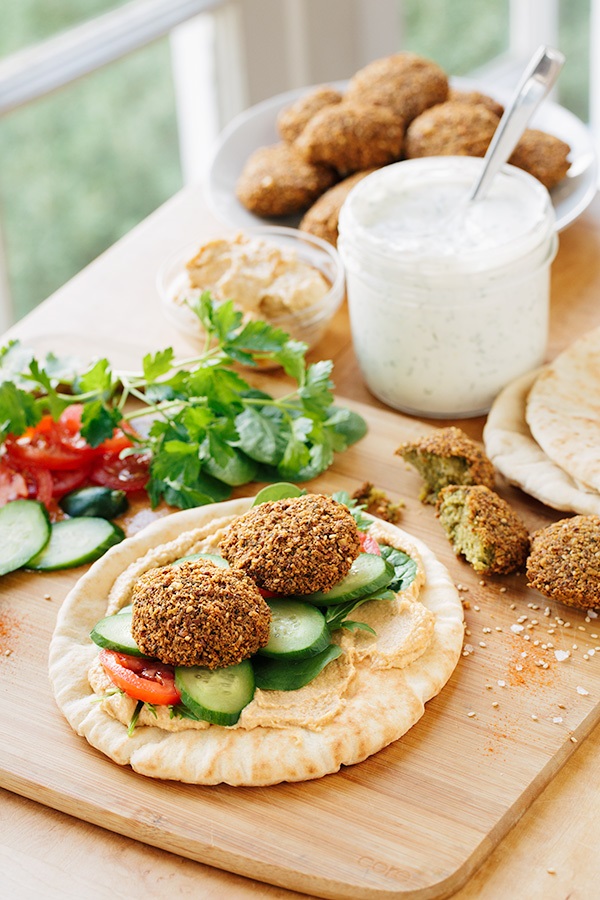
In the vibrant tapestry of global cuisines, the Falafel Wrap stands as a delicious testament to Middle Eastern gastronomy. A harmony of flavors and textures, this classic dish has won hearts across the globe. Today, we embark on a culinary journey to unravel the secrets behind crafting the perfect Falafel Wrap. Buckle up your taste buds and prepare for a flavorful adventure!

The Heart of the Matter – Crafting the Perfect Falafel

At the core of every exceptional Falafel Wrap lies the art of preparing the falafel itself. Begin by soaking 2 cups of dry chickpeas overnight; canned chickpeas won’t do justice to the recipe. To this, add a medley of aromatics and spices: onion, cilantro, parsley, dill, mint, garlic, ground cumin, coriander, chili powder, and sesame seeds. The magic happens with a touch of baking soda and baking powder, ensuring a perfect crunch. Fry these golden nuggets in vegetable oil, and you’ve got the soul of your Falafel Wrap ready to roll.

Wrapping it Right – The Choice of Bread and Greens

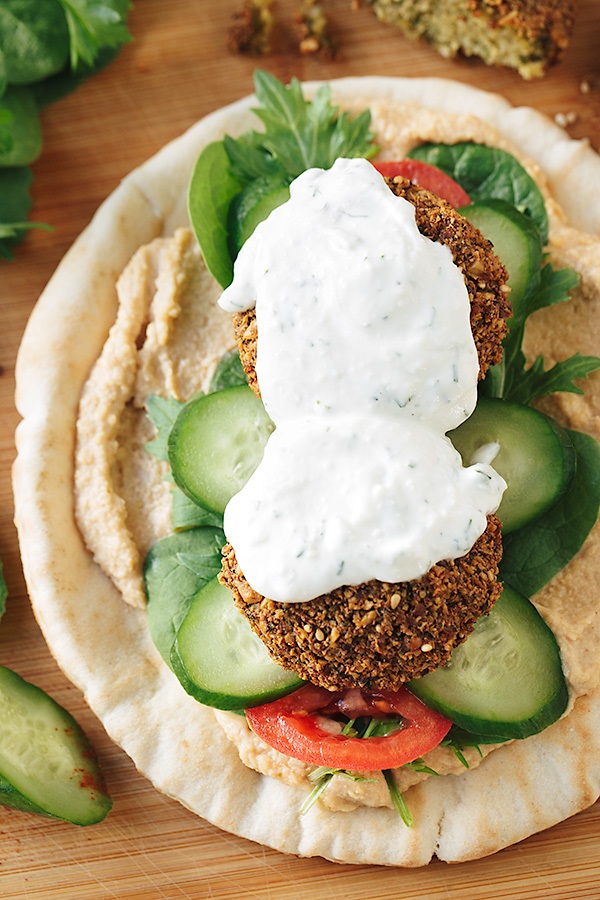
The choice of bread can elevate your Falafel Wrap from good to exceptional. Opt for soft, warm pita bread or a flavorful flatbread as your canvas. Layer it with vibrant greens like lettuce and spinach, creating a refreshing contrast to the crispy falafel. For a burst of freshness, add slices of ripe tomatoes and crunchy cucumbers. The combination of textures and tastes in every bite is what makes a Falafel Wrap an experience rather than just a meal.

Spice it Up – The Spicy Hummus Delight

A Falafel Wrap without a generous spread of Spicy Hummus is like a story missing its plot. Blend chickpeas, tahini paste, Greek yogurt, garlic, and an array of spices: cumin, coriander, paprika, and a pinch of cayenne pepper. The result? A creamy, flavorful hummus that adds depth to your wrap. Don’t shy away from drizzling it generously; it’s the bridge that connects the falafel with the fresh elements, creating a symphony of tastes.

The Finishing Touch – Lemon-Garlic Dill Sauce

Every masterpiece deserves a finishing touch, and for our Falafel Wrap, it’s the zesty Lemon-Garlic Dill Sauce. A blend of Greek yogurt, garlic, feta cheese, lemon zest, and a sprinkle of fresh dill, this sauce adds a tangy punch and a herby aroma. With a hint of salt and black pepper, it ties the wrap together, creating a harmonious blend of flavors that dance on your palate with every bite.

Crafting the perfect Falafel Wrap is an art that marries tradition with creativity. It’s not just a dish; it’s a celebration of flavors, cultures, and culinary expertise. As you savor every bite of your homemade Falafel Wrap, relish in the culmination of textures, tastes, and aromas that represent the heart of Middle Eastern cuisine. So, next time you embark on this culinary adventure, remember the nuances, and let your taste buds revel in the symphony of flavors.