Skip to content

What is the Appalachian Trail?

12 Birds on the Appalachian Trail
The Appalachian Trail is the longest hiking-only trail in the world.©Jon Bilous/Shutterstock.com

The Appalachian Trail is the longest hiking-only trail in the world. It spans from Georgia to Maine and is a grueling six-month journey. Despite the difficulty, people from all over the world come to complete a thru-hike of the beautiful mountain journey.

Part of that journey includes spotting wildlife, a favorite pastime of many! For birdwatchers across the world, the Appalachian Trail is a hot spot for rare and unique birds. The differing habitats and elevations make perfect homes for a variety of species. Although we can’t cover every bird on the Trail, we have a few listed that you could possibly see while hiking.

Not all of these species are rare (although some are), but all of them are unique and a true beauty to behold. The American goldfinch, for example, is a common backyard bird that can be seen on the Appalachian Trail. Still, despite its “commonality,” seeing a vibrant yellow bird swooping low over a grassy bald in the North Carolina spring is what makes the trail so special.

A list of the coolest birds you could see on the Appalachian Trail

Here is our list of unique, surprising, rare, or cool birds you may see while on the trail!

Bald and golden eagle

12 Birds on the Appalachian Trail
Golden and bald eagles live across the Appalachian Trail.©Martin Mecnarowski/Shutterstock.com

Many people have no idea that the bald eagle is a resident of the App Trail! Bald eagles are majestic and represent freedom and strength. You are most likely to see them during the winter, as they spend the cold months in the mountains of Appalachia. These birds can be seen soaring through the air with their characteristic white head and brown-black bodies or perched on a tall tree.

The larger cousin of the bald eagle, the golden eagle, also calls the App Trail home. Golden eagles are rarer but are just beginning to take parts of their historic range back. Currently, the most southerly place to see them is North Carolina, with populations present everywhere else north.

Wild turkey

12 Birds on the Appalachian Trail
The wild turkey is found across the entirety of the Appalachian Trail.©iStock.com/Jens_Lambert_Photography

The turkey is an important bird for many humans in the US! It’s hunted for sport and game but is also bred all over the country. The modern domesticated turkey is a far cry from its wild counterpart, and few people ever get a chance to see the elusive wild birds. Still, wild turkeys are present through most of the range of the trail. They can often be seen in groups, but good luck catching them! They also rarely let humans get anywhere close to them.

Wild turkeys are mostly brown, but males have a distinctive tail display and splashes of red and blue on their neck, head, and bodies.

Peregrine falcon

12 Birds on the Appalachian Trail
The peregrine falcon is the fastest animal in the world and lives in the Appalachian Mountains.©TPCImagery – Mike Jackson/Shutterstock.com

The peregrine falcon is the fastest animal on the planet. Additionally, it is the most widespread raptor on the planet! The peregrine can be found through most of the App Trail and can be seen diving from insane heights into valleys and rocky areas. These falcons are quite spectacular to see, but forested areas are likely to keep you from sighting one. The best place to see them is in wide-open areas like fields, lakes, or valleys.

Barred owl

12 Birds on the Appalachian Trail
Barred owls are more often heard than seen.©Malachi Ives/Shutterstock.com

The barred owl is one of the larger owls on the east coast and happens to live across the Trail. These owls are nocturnal, like other owls, and you are more likely to hear them than see them! Still, it’s quite possible you catch one hunting in an open area at night as they search for mice and other rodents.

The white face of the barred owl can be startling at night, but it’s a great tell as to what you are looking at. Additionally, barred owls are brown with white bellies and “barring” patterns down their chest and belly.

Belted kingfisher

12 Birds on the Appalachian Trail
The kingfisher is a unique bird that hunts near aquatic habitats.©Gualberto Becerra/Shutterstock.com

The belted kingfisher is a special little bird on our list. It’s incredibly cute and is known for its tenacious ability to hunt! These aquatic birds always live near water and hunt animals like frogs, salamanders, and small fish. They have long, sharp beaks and their bodies are usually blueish-green. Their heads often look like they have a small mohawk, giving them a distinctive look. The best place to see them is near rivers, lakes, ponds, and streams.

Woodpeckers

12 Birds on the Appalachian Trail
There are six different species of woodpecker that live along the App Trail.©rhfletcher/Shutterstock.com

These birds all have different levels of rarity, although all are quite a sight to see regardless. Most of them are black and white with some red on their heads. Some species have totally red heads, and others have yellow plumage across their bellies.

Purple martin

12 Birds on the Appalachian Trail
The purple martin is the largest member of the swallow family.©iStock.com/Jeff Huth

The purple martin is a member of the swallow family and is known for being the largest species in the group. Purple martins are beautiful to see due to the iridescent blue-purple plumage they have across their body. These birds are totally dependent on human-supplied nestboxes in Appalachia, so be on the lookout for any signs of these migratory birds near anything that looks like a human-made birdhouse!

Scarlet Tanager

12 Birds on the Appalachian Trail
Scarlet tanagers are bright red and quite hard to miss!©Stubblefield Photography/Shutterstock.com

The scarlet tanager is hard to miss. With vibrant red plunge and black wings, these beautiful birds are a sight to see. They breed across the entirety of the App Trail and migrate down to the southern US and Central America when temps drop. They prefer to nest in trees and forest, so deep in the trail is a good place to spot them.

Indigo bunting

12 Birds on the Appalachian Trail
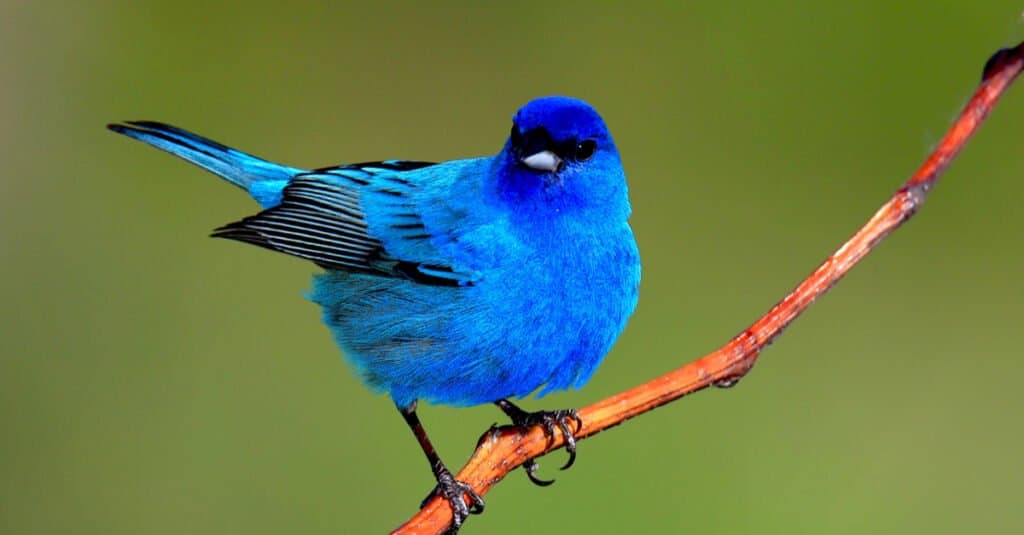
Indigo buntings use the stars to navigate while they migrate.©John L. Absher/Shutterstock.com

The indigo bunting is a shockingly blue bird that is found across the entire Appalachian Trail. These small songbirds navigate during the night and have been proven to use the stars as their guide! Generally, indigo buntings nest in open woodlands and shrubs.

Ruby-throated hummingbird

12 Birds on the Appalachian Trail
Ruby-throated hummingbirds have a distinct red patch on their necks.©Palantirian/Shutterstock.com

American goldfinch

12 Birds on the Appalachian Trail
American goldfinches are common feeder birds that are seen across the App Trail.©iStock.com/impr2003

American goldfinches aren’t a new sight for some birdwatchers, but they are always wonderful to see. They are known for a characteristic swooping motion as they fly close to the ground, looking for food. These bright specks of gold can be seen along the App Trail year-round, even in the cold parts of Maine. They usually prefer open woodlands, of which there are plenty along the trail.

Purple finch

12 Birds on the Appalachian Trail
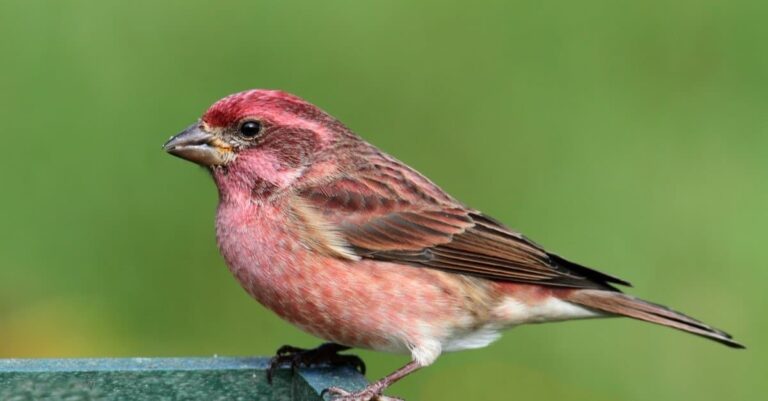
The purple finch is an uncommon bird that lives across most of the App Trail.©Steve Byland/Shutterstock.com

The Featured Image
A male indigo bunting perched up on bare branch against a green background. As it's name suggests, the bird is vivid blue.
© John L. Absher/Shutterstock.com


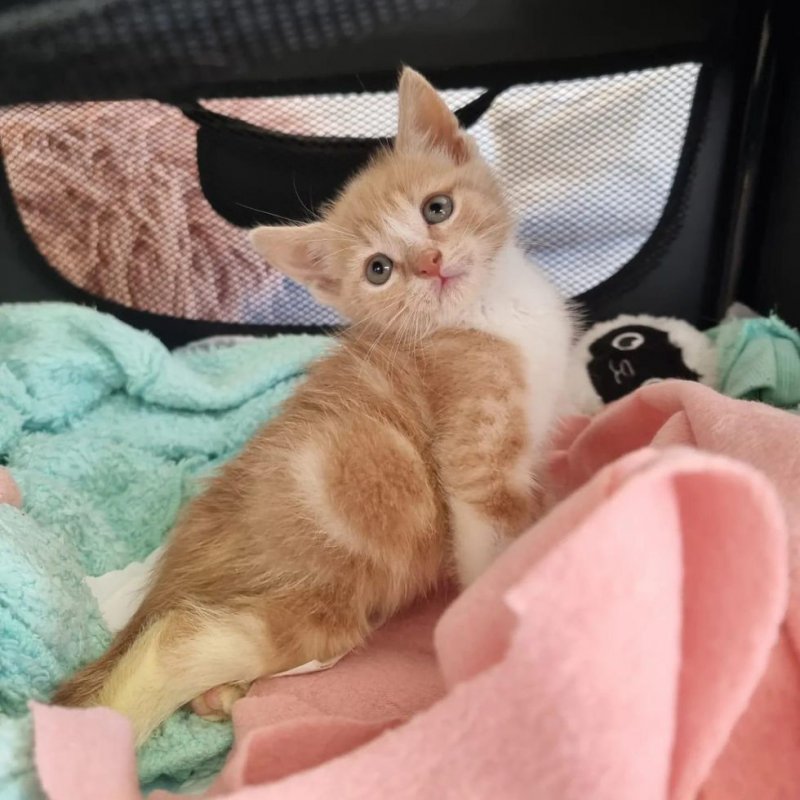
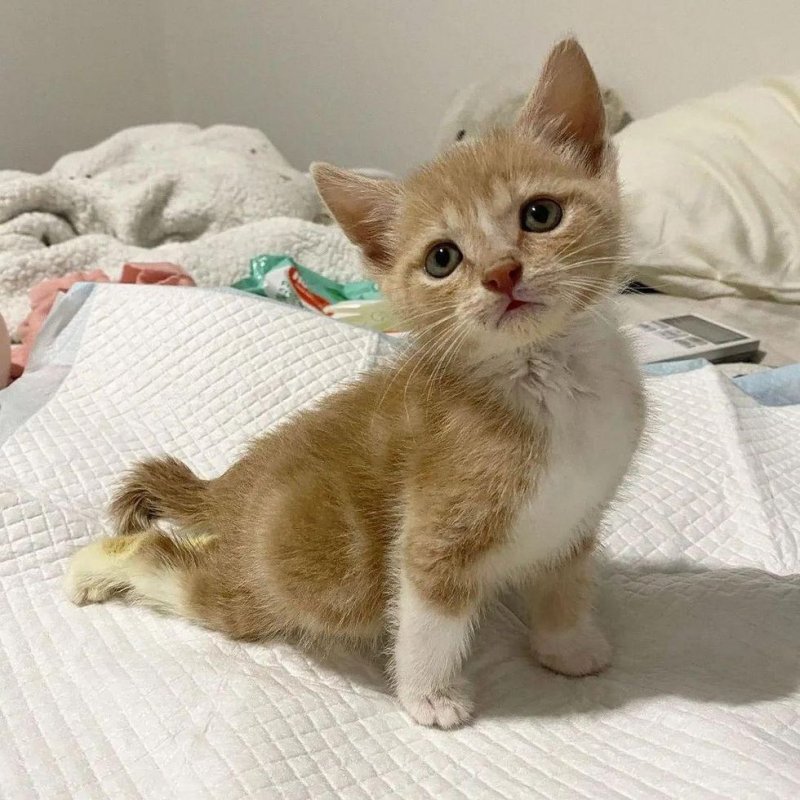
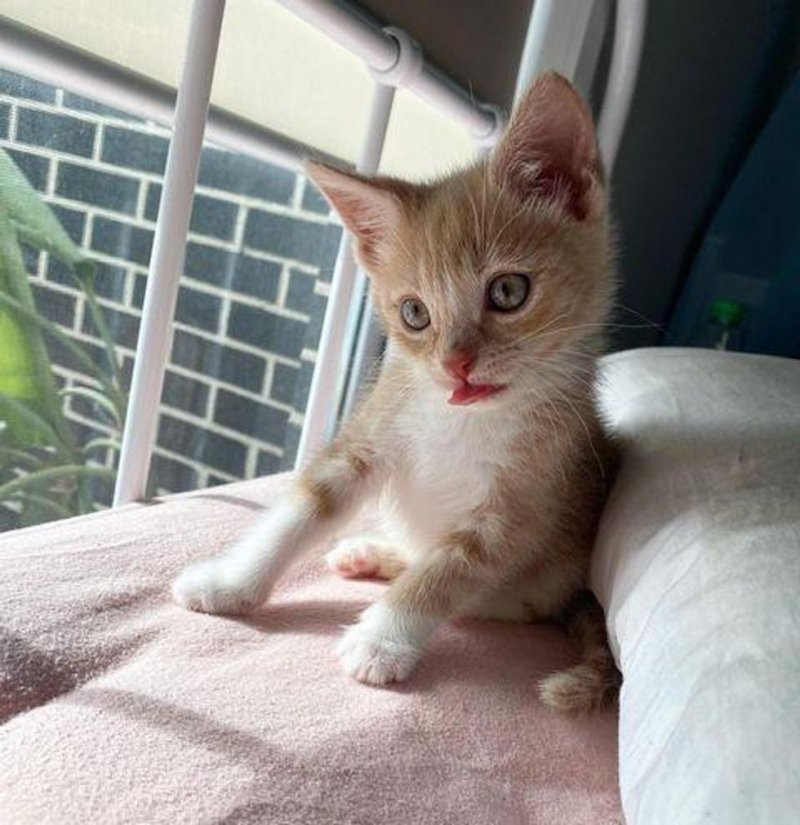
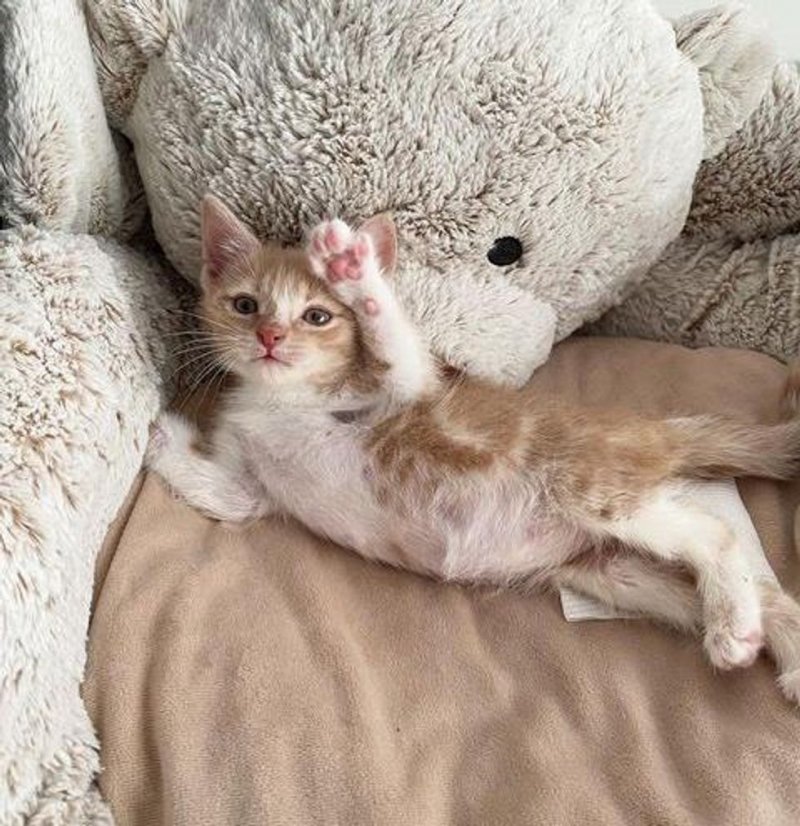
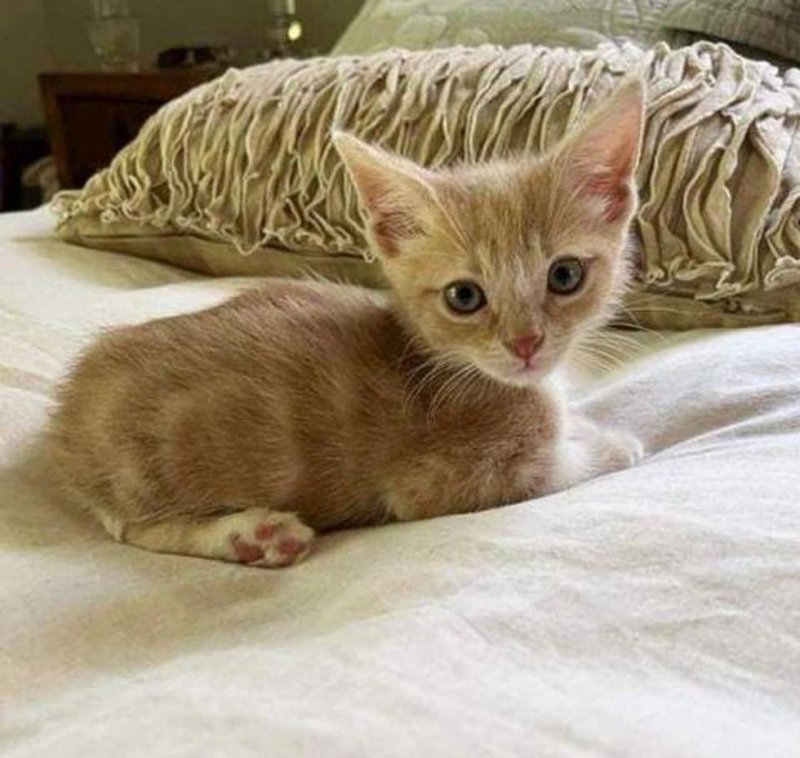
This baby with a paralyzed lower body was found on the street. It moved only with the help of its front legs but was full of strength to recover and run again.

This kitten was picked up on the street in the United States. Its hind legs were paralyzed and it dragged them along, collecting leftovers. They took the baby and took it to Kitten Carer Rescue, where it was happily taken into care.

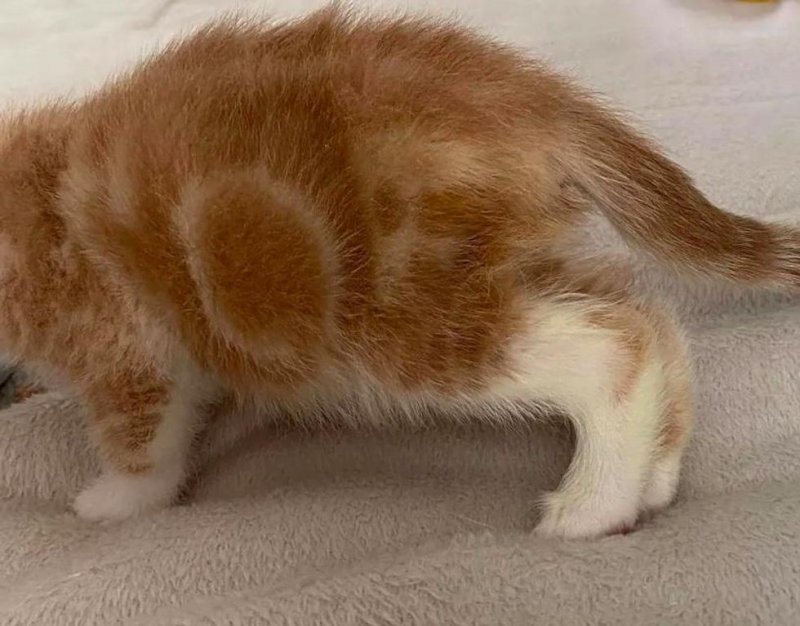
The staff determined that the baby’s lower body did not work because of compression of the vertebrae, and it moved only with the help of the front legs. In addition, it was skinny, worn out, and covered with fleas. Volunteers immediately took over for its recovery.

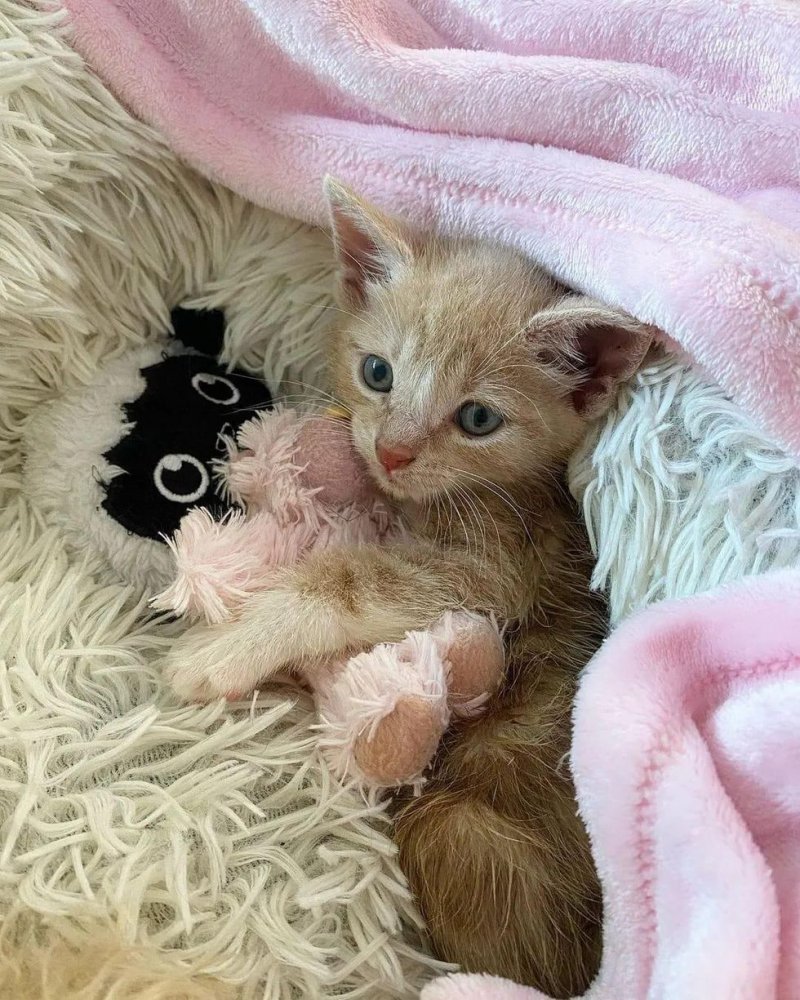
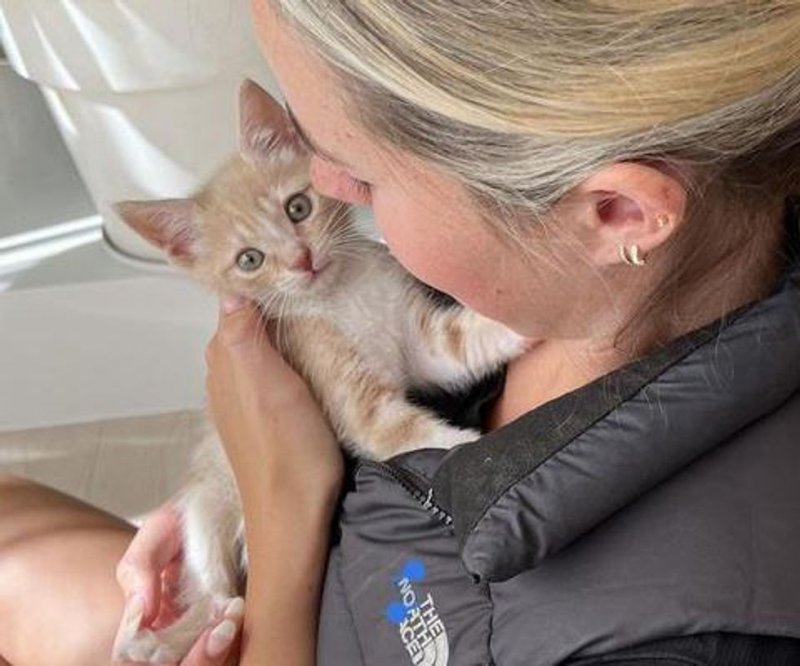
Despite its ailments, the kitten, named Mohan, immediately showed itself as an energetic and sociable boy. It mewed loudly, not hesitating to ask for food or affection, and loved to purr on the caretaker’s lap.

The guardians began to give the baby special exercises, physical therapy, and water therapy. Mohan was happy to reschedule, as if fully aware that it would help it. After a while, the movement of the hind legs began to improve – and this was already a request for success!

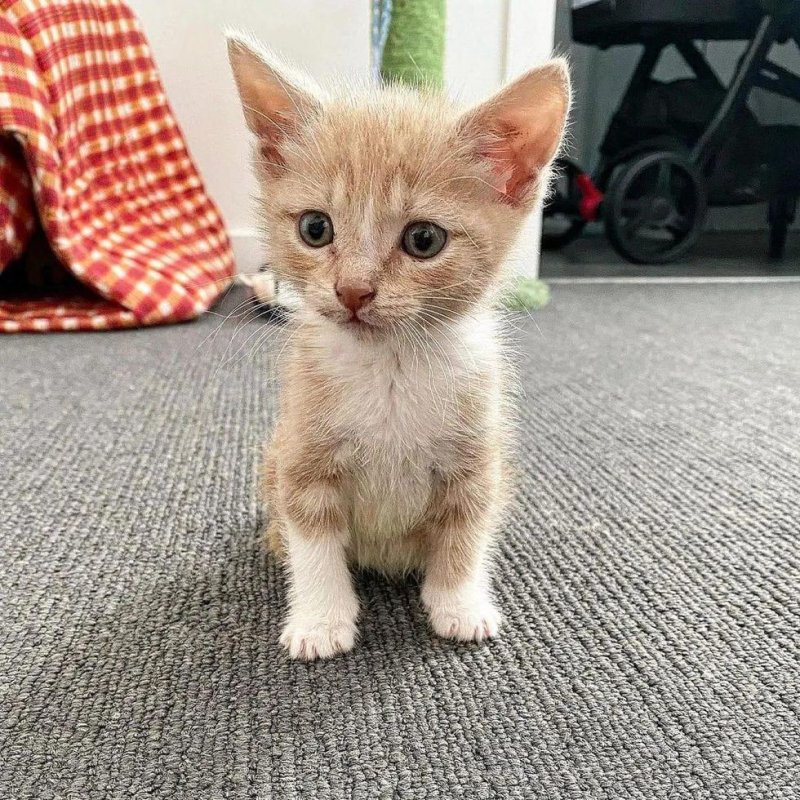
After a couple of weeks, the mobility of the kitten became much better, it e began to step on the legs, more explore and play a lot. When Mohan is fully recovered, they will find permanent owners for this wonderful boy.

Milo’s Miraculous Return: A Tale of Resilience and Reunion

A Race Against Time and the Forces of Nature

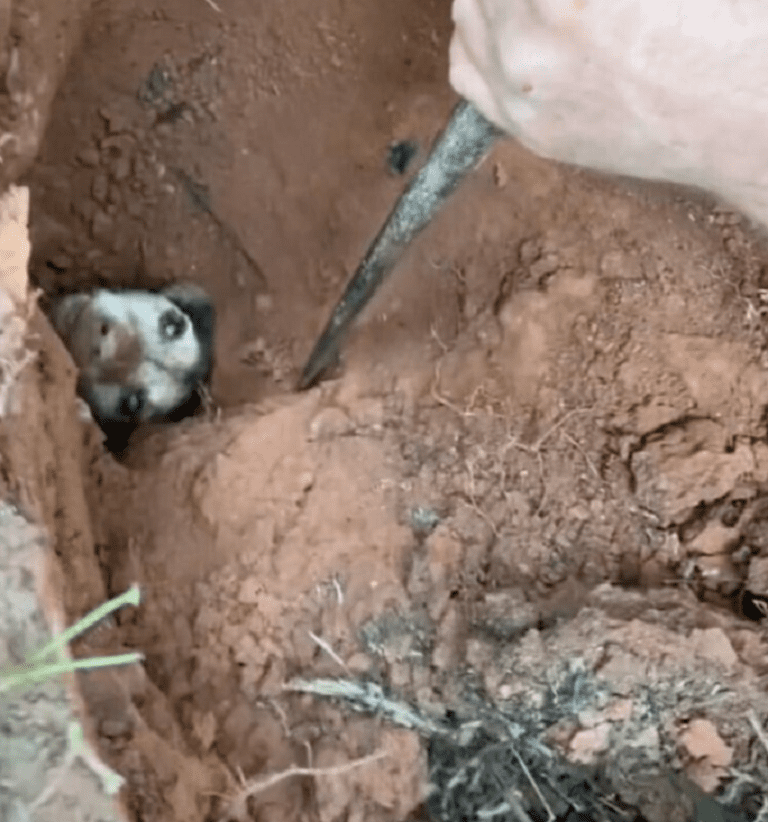
In the quiet suburbs of Silverdale, a picturesque town nestled between rolling hills and lush meadows, a chilling event unfolded that tested the limits of human compassion and resilience. It was a heart-stopping race against time and the forces of nature to rescue a four-legged friend, a loyal dog named Max, who had become trapped underground for a harrowing 56 hours. This is the remarkable story of Max’s miraculous rescue, an ode to unwavering determination, community spirit, and the enduring bond between humans and their furry companions.

A Canine’s Desperate Struggle for Survival

1. The Unthinkable Happens

The ordeal began when Max, a spirited Labrador Retriever, embarked on what seemed like an ordinary backyard adventure. While exploring, he inadvertently tumbled into a deep, narrow hole created by a construction mishap, leaving him trapped beneath the earth’s surface. Max’s desperate barks for help went unnoticed, as he had disappeared from view, leaving his family frantically searching for their beloved pet.

2. The Relentless Battle Against Time

As hours turned into days, Max’s family, joined by concerned neighbors and rescue teams, engaged in a relentless battle against time. Fueled by sheer determination, they initiated a rescue operation of immense proportions. The ordeal was further complicated by relentless rain that threatened to fill the hole, putting Max’s life in even greater jeopardy. Miraculously, Max’s whimpers and barks could still be heard, a beacon of hope that he was still fighting for his life.

3. A Community Unites in Compassion

The Silverdale community rallied together, their hearts united in their unwavering support for Max and his family. Local firefighters, search and rescue teams, and animal welfare organizations worked tirelessly in a collaborative effort to reach Max. The town’s sense of togetherness and shared purpose was palpable, demonstrating the immense capacity of a community to come to the aid of its own, including its four-legged members.

See more: Man makes moving promise to dog who pased away after giving birth

4. Max’s Miraculous Resurrection

The 56th hour arrived, and hope began to wane. But in an unexpected twist of fate, a dedicated team of rescuers, led by experienced firefighters, finally reached Max. With precision and care, they extracted the exhausted but resilient dog from his subterranean prison. Max emerged into the sunlight, weak but alive, as the crowd erupted in joyous cheers. His family, who had never lost hope, embraced him with tears of relief and gratitude.

A Triumph of Love, Determination, and Community Spirit

Max’s miraculous rescue stands as a testament to the extraordinary resilience of our faithful canine companions and the unyielding human spirit. In the face of seemingly insurmountable odds, Max’s survival was a victory of love, determination, and the enduring power of community.

This heartwarming tale of Max’s 56-hour ordeal and triumphant rescue serves as a reminder that, when faced with adversity, humans can achieve remarkable feats of compassion and unity. It showcases the unwavering bond between people and their pets, highlighting the extraordinary lengths they are willing to go to ensure the safety and well-being of their beloved furry friends.

This heartwarming tale of Max’s 56-hour ordeal and triumphant rescue serves as a reminder that, when faced with adversity, humans can achieve remarkable feats of compassion and unity. It showcases the unwavering bond between people and their pets, highlighting the extraordinary lengths they are willing to go to ensure the safety and well-being of their beloved furry friends.

In the end, Max’s journey from the depths of despair to the embrace of his family and community exemplifies the extraordinary capacity for hope, love, and resilience that exists within us all. It is a story that will be cherished, passed down through generations, and celebrated as a testament to the indomitable spirit of the human-animal connection. Max’s miraculous rescue reminds us that, when we unite for a common cause, even the most challenging of circumstances can yield moments of extraordinary triumph and joy.


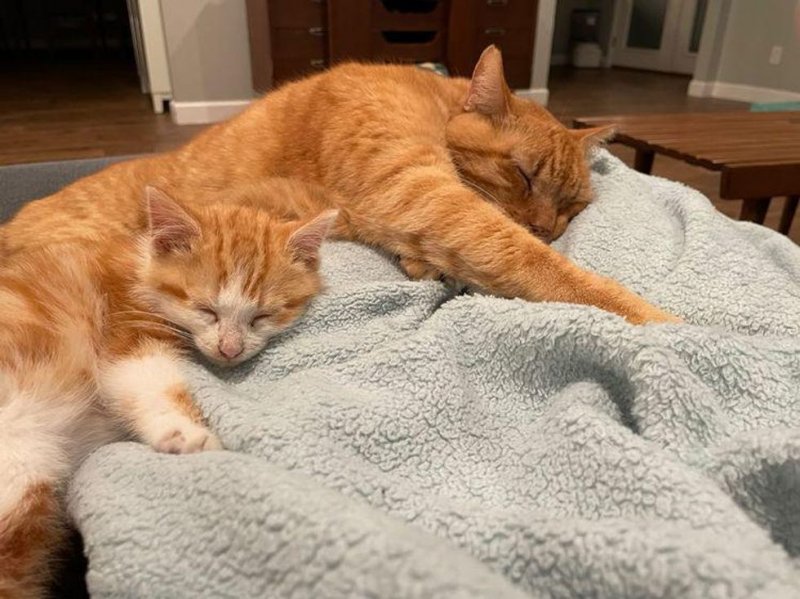
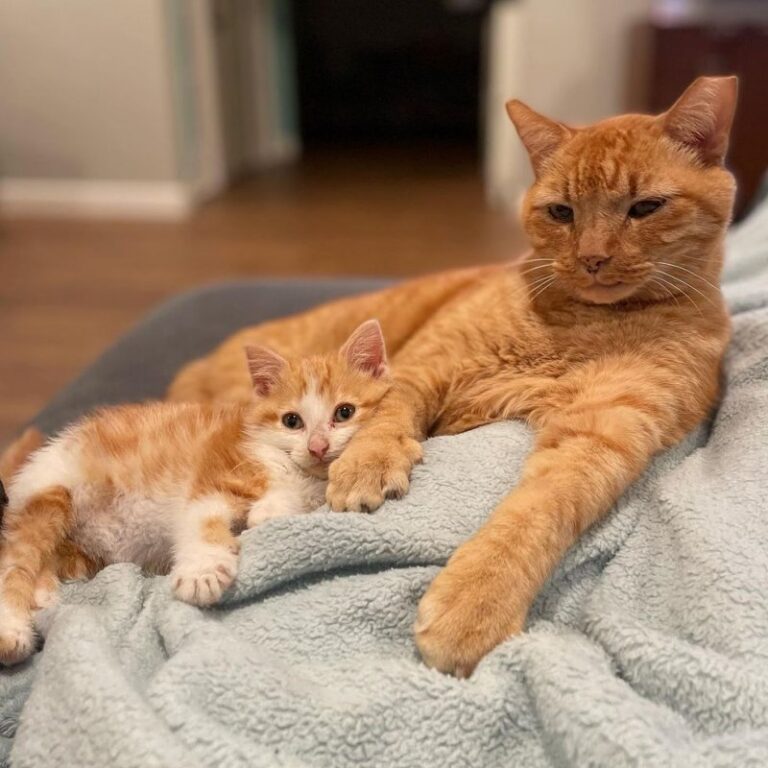
The shelter volunteer decided to introduce the rescued kitten to an elderly cat from the street and did not even expect how these two would become friends. The old cat immediately took the baby under its care!

***

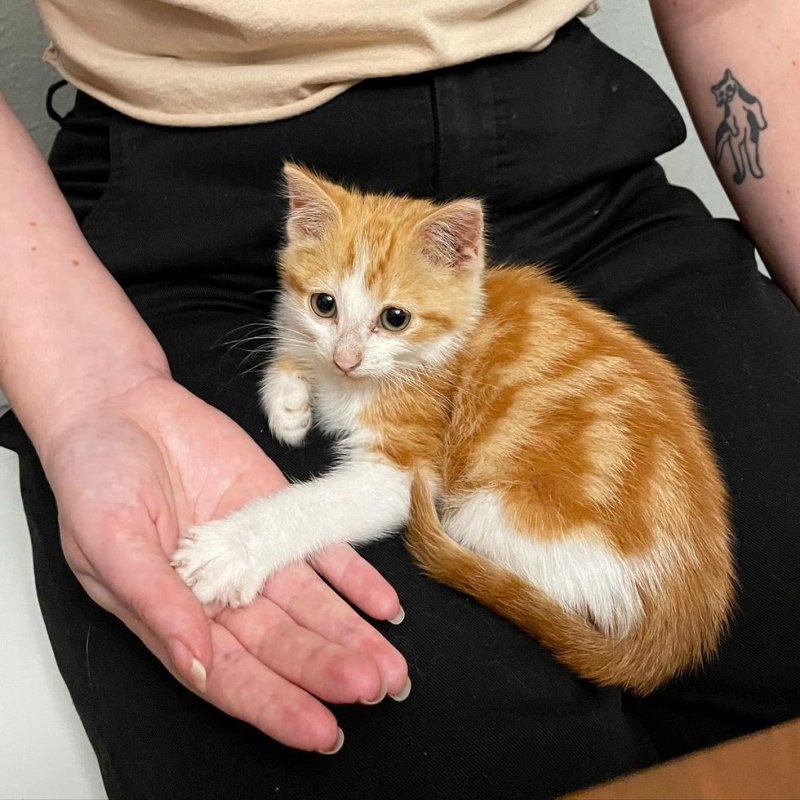
A small red and white kitten was found on the streets in Texas. The weak but outgoing poor animal was covered in fleas and people immediately took him to the Firehouse Animal Health shelter. There he was accepted with joy and was given the nickname Garfield.

The baby was treated, after which he was sent to a place of temporary care. When the kitten opened up, it turned out that he had a wonderful character. He turned out to be a very affectionate and full of love creature. He constantly asked his guardians for affection and liked to lie on his guardians’ knees for a long time and purr.

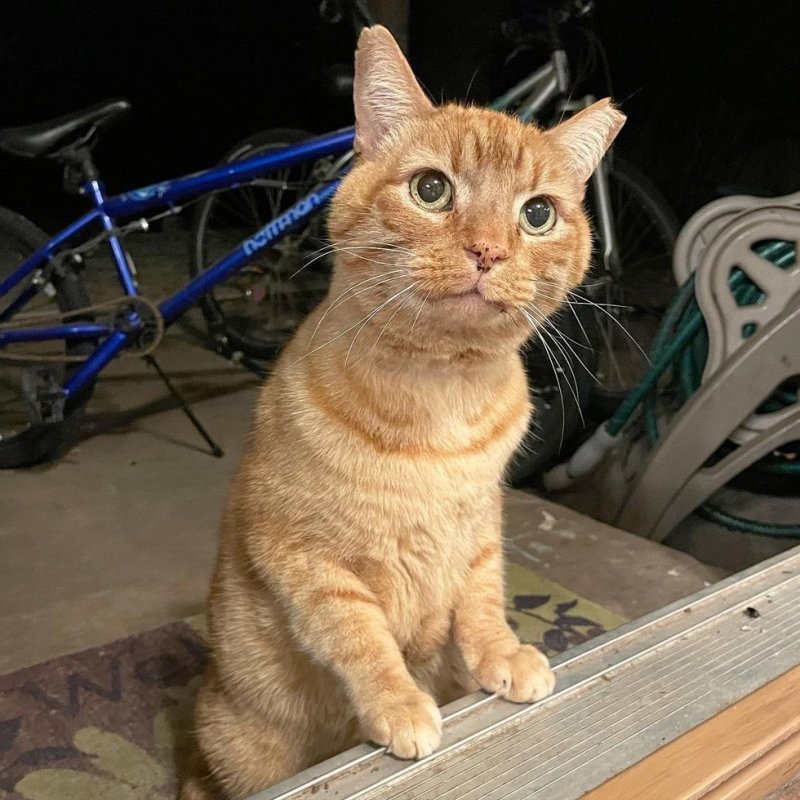
A little later, little Garfield saw an elderly red cat near the house. It was an old cat named Pickles, who was occasionally fed by his guardian. He lived in a local cat colony, and this time the guardian took him in and decided to help.

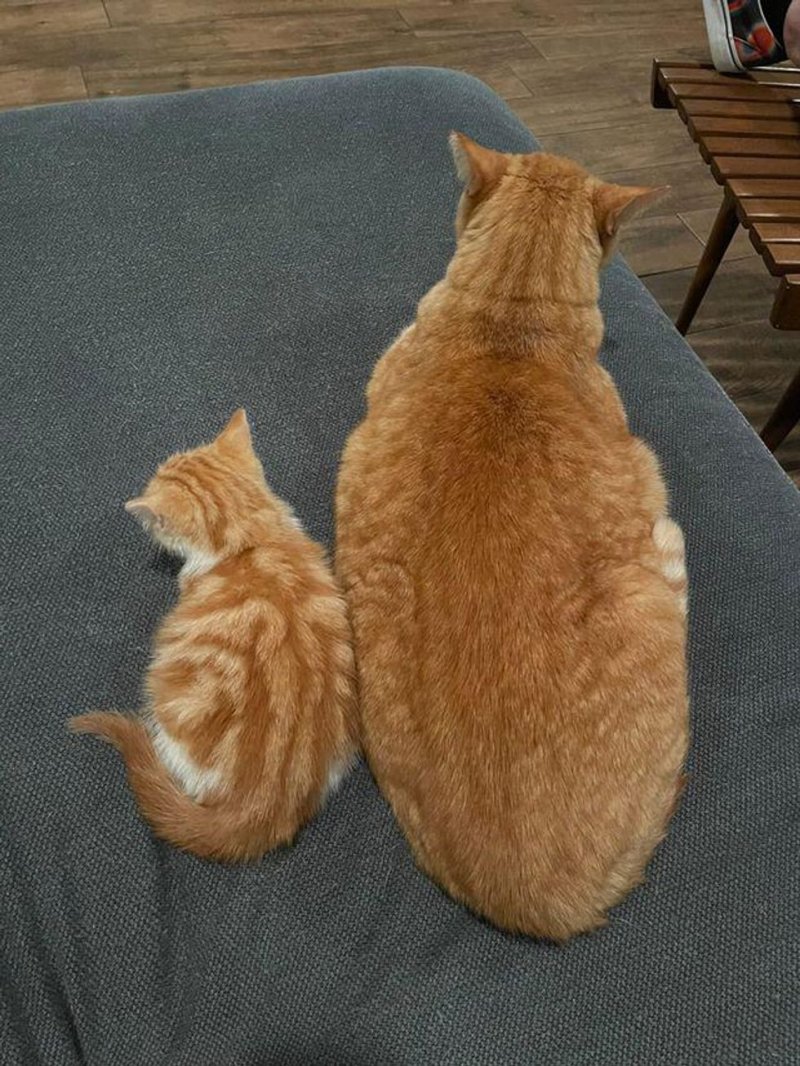
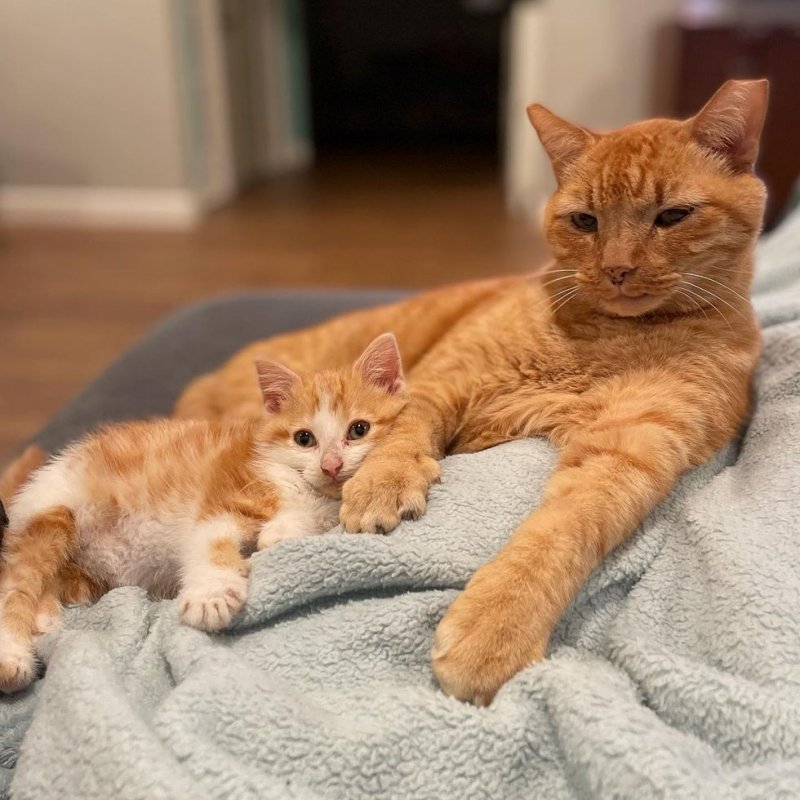
The old cat was bathed and his ear was cured. A little later, he was introduced to Garfield – and they immediately became best friends. The elderly Pickles melted at the sight of the little kitten, and his paternal instincts awakened.

The two became inseparable. The kid followed his wise mentor everywhere, played with him and hugged him. Pickles also blossomed next to the kitten, becoming more affectionate and active. For now, the two are in temporary care, enjoying each other’s company. Later, permanent owners will be found for them.

1. European Starling

A European starling singing in the wild
European starlings are excellent mimics and can imitate other birds, machinery, and human speech. They are native to Europe, Asia, and Africa.©Soru Epotok/Shutterstock.com

Characteristics: The European starling is one of the most well-known purplish birds in the United States. Though these stocky birds with long bills and short tails appear black, they actually feature a purple, blue, and green glossy sheen. It is best seen in the summer sun.

2. Purple Martin

Purple Martin
Purple martins have an average wingspan of 15 inches and a length of 7.9 inches. Up close, they are iridescent purple and blue.©iStock.com/KennShapiro

Location/Habitat: These long-distance migrants breed in the Eastern United States and Canada before migrating to South America for the winter. You can find them in open fields, wet meadows, parks, and towns.

3. Purple-Breasted Cotinga

purple-breasted cotinga
Purple-breasted cotingas live in the rainforest canopy of moist lowland forests. They are turquoise to blue, purple, and black.©CC BY-SA 4.0 – License

Characteristics: The purple-breasted cotinga is a medium-sized tropical bird with a plump body and a small head. These brightly colored birds are striking because of their turquoise to blue, purple, and black plumage. But only the males are colorful. Females are brown with spotted breasts.

Location/Habitat: They are found in seven South American countries, including Brazil, Colombia, Venezuela, Guyana, Peru, French Guiana, and Suriname. These cotingas live in the rainforest canopy of moist lowland forests.

4. Violet-Backed Starling

violet-backed starling perched on branch
The metallic purple feathers of the male violet-backed starling are used to attract a female. These birds inhabit arid open woodlands and clearings.©iStock.com/Michael Fitzsimmons

Characteristics: The violet-backed starling is a small starling with vibrant, iridescent plumage. Males are white below and bright violet above, while females are streaky brown with no bright coloring. Additionally, they feature black bills, black legs, and yellow eyes.

Location/Habitat: They live in Sub-Saharan Africa, where it is a relatively common bird. These birds inhabit arid open woodlands, clearings, and gallery forests.

5. Purple Honeycreeper

purple honeycreeper resting on small limb
The purple honeycreeper has bright, purple feathers with black wings. Their long decurved bills and vibrant coloring are their discernable features.©iStock.com/Chelsea Sampson

Characteristics: Purple honeycreepers belong to the tanager family. They are small colorful birds found in the Neotropics. Their long decurved bills and vibrant coloring are their most discernable features. Adult males are dark purple blue with black wings and tails.

Location/Habitat: This species lives in the northern part of South America in lowland forest canopies. You can also spot them in citrus and cocoa plantations.

6. Purple Grenadier

purple grenadier perched on thin branch
The purple grenadier has a beautiful color combination of chestnut brown and muted violet. Their tails are black, and their bills are red.©iStock.com/neil bowman

Characteristics: The purple grenadier is a small seed-eating bird with unique coloring. Males have red heads, a blue patch around their eyes, and a purplish-blue body. Additionally, their tails are black, and their bills are red. Females feature cinnamon-brown plumage and white barring.

Location/Habitat: This species inhabits tropical shrublands in Eastern Africa, including Kenya, South Sudan, Somalia, Uganda, Ethiopia, and Tanzania.

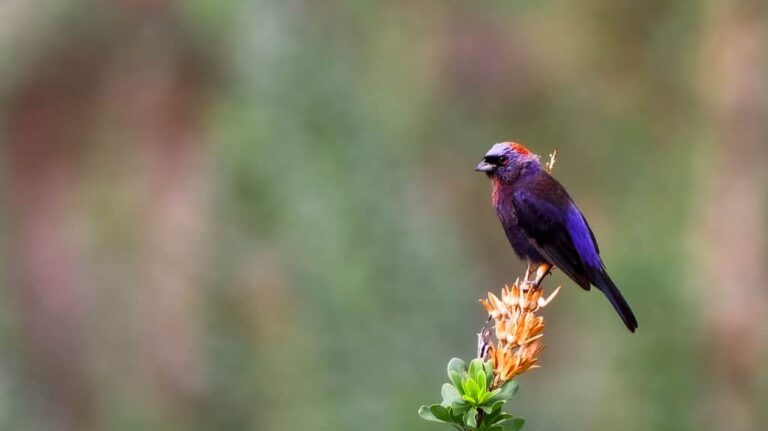
7. Varied Bunting

Varied buntings prefer dense cover in arid areas, like canyons or thorn forests. Males during the breeding season are deep purples and reds.©iStock.com/Banu R

Characteristics: Varied buntings are small songbirds with long tails and thick conical bills. Adult males during the breeding season are a mix of deep purples and reds. However, outside of the breeding season, they feature dark brown plumage. Additionally, they have black on their faces and red eye rings.

Location/Habitat: These buntings live in the Southwestern United States and Mexico. And they are short-distance migrants that move to Southern Mexico during winter. They prefer dense cover in arid areas, like canyons, thorn forests, and desert washes.

8. Costa’s Hummingbird

Costas hummingbird perched at very tip of branch
Unlike this male, the female Costa’s hummingbird doesn’t have purple feathers. Females have dull plumage, featuring green and white.©iStock.com/Monica Lara

Characteristics: These small, plump hummingbirds have short tails. They are especially cute because their throat patch looks like a mustache. Adult males are olive green and gray but have purple iridescent crowns and throats. Females have more dull plumage, featuring green and white.

Location/Habitat: Costa’s hummingbird lives in the far Southwestern United States and Mexico along the coast. Examples of habitats include desert scrub, coastal scrub, and deciduous forests.

9. Purple Gallinule

Purple Gallinule in a bush
The purple gallinule is royal purple and dark green. This species lives in the Southeastern United States, Mexico, and Central and South America.©iStock.com/David McGowen

Characteristics: the purple gallinule is a medium-sized wading bird featuring characteristic long legs and toes. They also have thick, conical bills and short tails. Adults are royal purple and dark green. Additionally, they have bright yellow legs and bright red bills. For this reason, they definitely stand out amongst their environments.

Location/Habitat: This species resides throughout the Southeastern United States, Mexico, Central America, and South America. They are abundant in South America, where they live year-round. They mainly inhabit freshwater marshes, but you can also find them on lakes, ponds, reservoirs, and rice fields.

10. Violet Sabrewing

Favorite and Most Popular Animals: Bird
Blue hummingbird, Violet Sabrewing, flying next to a beautiful red flower, sucking nectar in a tropical forest in Costa Rica.©Ondrej Prosicky/Shutterstock.com

Characteristics: The violet sabrewing is a large species of hummingbird featuring long tails and long, decurved bills. Males are a mixture of glossy, iridescent blue, purple, green, and black. Additionally, their napes are metallic violet. Females are bronze and metallic green.

Location/Habitat: These hummingbirds live permanently in Southern Mexico and Central America. They inhabit humid evergreen forests, banana plantations, and gardens.

11. Gray-Headed Swamphen

Grey-headed swamphen india uttar pradesh
Gray-headed swamphens are waders with long legs and long toes.©Pictures Punetha/Shutterstock.com

Characteristics: The gray-headed swamphen is a large wading bird known as a rail. They get their name from their chicken-like appearance. However, like other waders, they have long legs and toes. They also possess thick necks, heavy bills, and short tails. Their bodies are a mix of green and purple. Additionally, they feature bright red bills and frontal shields.

Location/Habitat: They have a very small range in the southern tip of Florida, where they live year-round. These rails live in many of Florida’s wetlands, including marshes, sloughs, ponds in golf courses, and artificial wetlands. However, they tend to avoid saltwater wetlands.

12. Violet-Crowned Woodnymph

violet crowned woodnymph perched on thin branch
The violet crowned woodnymph male is violet while the female is green.©iStock.com/neil bowman

Characteristics: The violet-crowned woodnymph is a long hummingbird featuring slender bodies and long bills. Males are vibrant and metallic, with violet, bronze, and green plumage. Their throats are so shiny they look like sequins. Females are gray and bluish-green and are not as iridescent.

Location/Habitat: This hummingbird is found in the northern tip of South America, from Belize to Peru. They live in the interior and edges of humid forests. But you can also find them in cacao plantations and gardens. Violet-crowned woodnymphs are considered emerald hummingbirds, and they belong to the Trochilidae family.

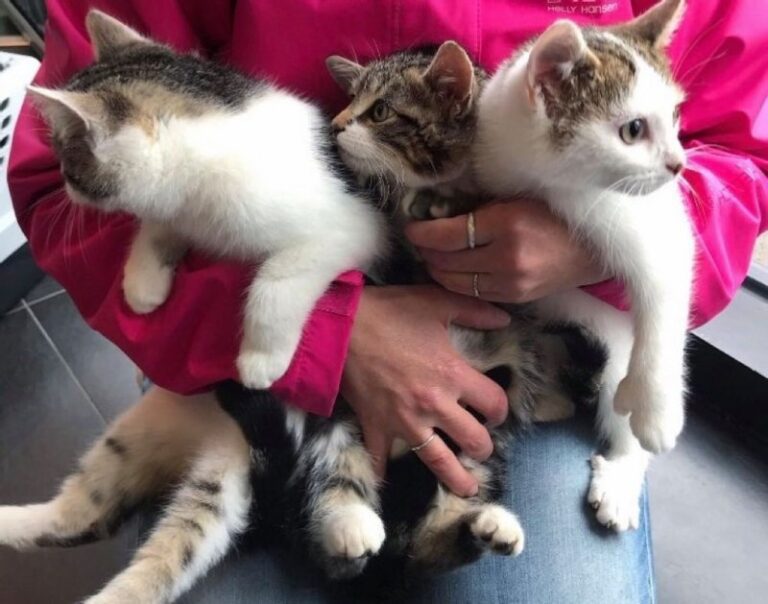
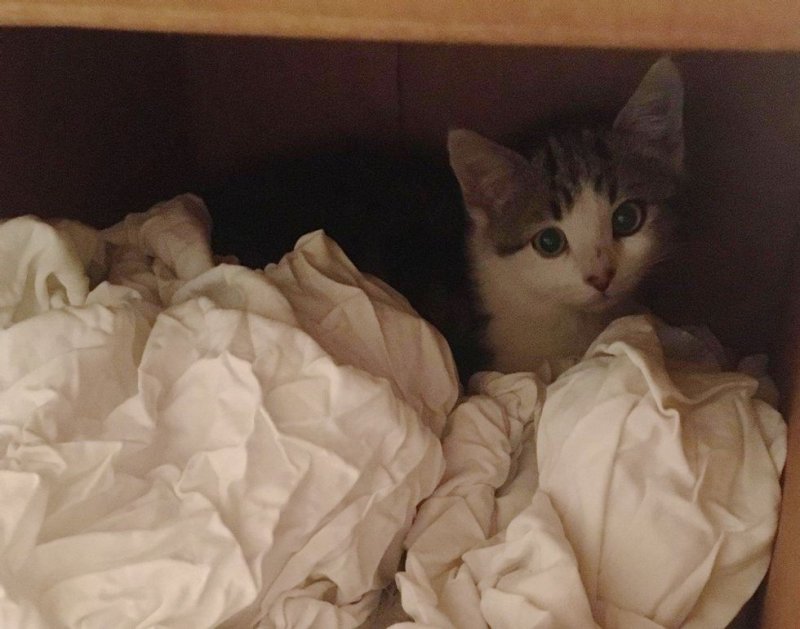
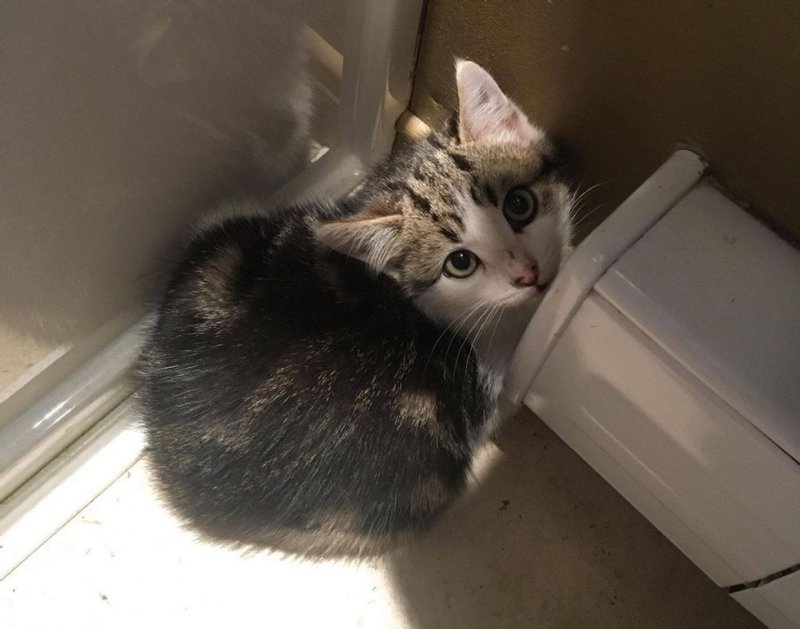
When the family moved into their new home, they opened the barn door and found several small kittens there. It turned out that the cat family had made a home there to protect themselves from the coming cold weather…

When the family from Canada moved into their new home, they looked in the shed and found several small kittens and later their mother. The landlady, Joanie, immediately started calling shelters to find homes for the kittens, but no one agreed to take in the feline family…

Luckily, after a while, Chatons Orphelins Rescue Centre agreed to take the kittens. One of them was a baby called Jules, who had health problems.

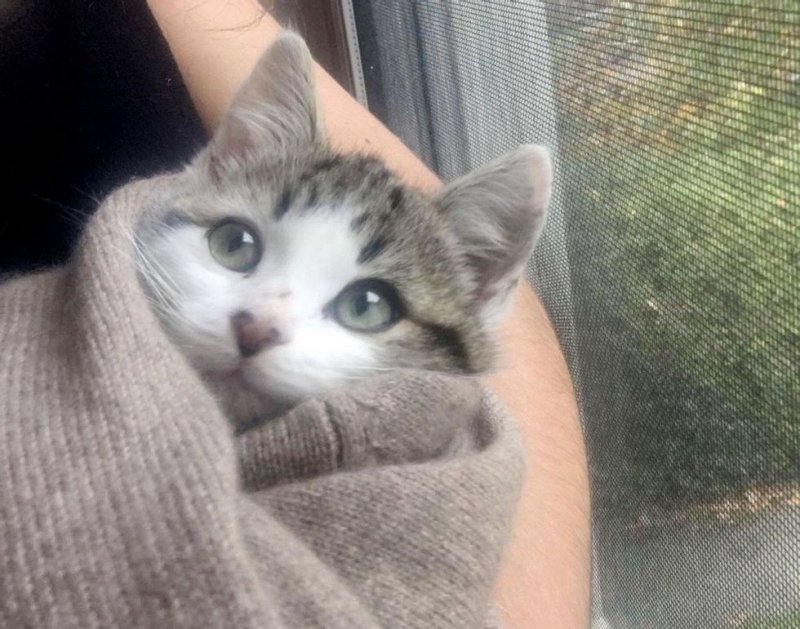
The baby was sent to the care of one of the volunteers at the shelter, where the guardian began to rehabilitate its health. At first it was very timid and shy, but over time it began to get used to its guardian and open up.

He turned out to be a real sweetheart. Jules liked it best when his guardian wrapped him in a blanket after a meal and carried him around the house like a baby.

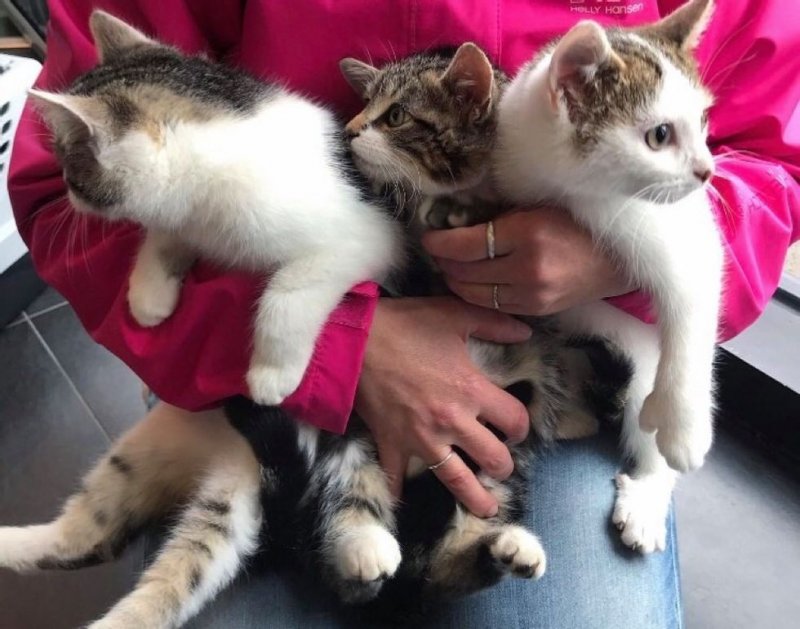
A little later, when Jules recovered, his brother and sister were moved in with him. The kittens recognised each other immediately and were happy to spend all their time together.

Jules showed himself straight away – he was the most active, playful and sociable of the congeners. He showed them everything, taught them how to play with toys and watch birds from the window.

The kittens are now living in a holding centre and volunteers have already started looking for permanent homes for them. Let’s wish these adorable kittens find loving homes as soon as possible!

Defining and measuring intelligence among birds is a difficult task to achieve scientifically. This is due to their relatively large brains compared to their head size, as well as their developed visual and auditory senses. Their responses to sensory stimuli are studied in order to observe and measure intelligence. Jays, magpies, crows, ravens, cockatoos, parrots, and macaws are usually thought of as the most intelligent birds. However, which birds are the dumbest birds? Let’s take a look!

The 8 Dumbest Birds

How are birds tested for intelligence? Scientists have actually done very few studies on bird intelligence, as compared to that of apes and other mammals. The few tests conducted used object permanence, conceptual abilities, communication, social behavior, tool use, and observational learning to determine intelligence. We hope that there will be many more studies in the future, as we think that all birds are smart and clever in their own way!

Quail

California quail is one of the dumbest birds in the U.S.
The quail is one of the dumbest birds because they do not display impressive levels of problem-solving.©Agnieszka Bacal/Shutterstock.com 

Quail (Odontophoridae) is a type of small, ground-dwelling bird native to the United States. They are known for their distinctive call, which has been likened to “Bob White.” As far as intelligence goes, quail do not display any particularly impressive levels of problem-solving or cognitive ability. For instance, in laboratory tests, they have demonstrated little aptitude for learning new tasks and recalling information quickly. However, they can be trained to recognize certain objects and respond positively when rewarded with food. This is an indication that they have some capacity for basic learning. Additionally, these birds possess proficient navigational skills. This is often seen in the wild during migration season when adult quails lead flocks of juveniles across long distances without getting lost or confused about direction. All things considered, quail may not be geniuses. However, their natural instincts and behaviors nonetheless serve them well in the wild.

California Gray Chicken

California gray chickens are part of the dumbest birds in the U.S.
California gray chickens don’t remember much from day to day, making them one of the dumbest birds.©iStock.com/Kristyna Sindelkova 

The California Gray Chicken, which was developed in California in the 1930s, is not known to be a particularly intelligent bird. In fact, it’s considered one of the least intelligent species of chickens in existence today. It has been observed that these birds tend to be easily spooked and show little interest in problem-solving or learning new behaviors. They also don’t seem to remember much from day to day, meaning they can’t learn from their mistakes or retain information for long periods of time. Despite this lack of intelligence, many farmers still raise them due to their hardiness and good egg production rate.

Band-Tailed Pigeon is one of the dumbest birds in the U.S.
The band-tailed pigeon has some level of intelligence for survival, but it isn’t the smartest bird.©iStock.com/RONSAN4D 

The band-tailed pigeon (Patagioenas fasciata) is a medium-sized bird native to North America. While it is not the most intelligent of birds, research has shown that these species do possess some level of intelligence and problem-solving skills. For example, they have been observed using tools such as sticks to reach food in hard-to-access areas. They also have an impressive memory for remembering their nesting sites even when displaced over large distances. Additionally, the band-tailed pigeon seems capable of recognizing individual humans. This bird may use facial recognition cues in order to recognize their mates or other members of their flock from afar. All these factors suggest that while they may not be the smartest birds around, they are still far from dumb!

Killdeer

killdeer standing on the beach
The killdeer birds do not have a flight instinct like other animals, so it doesn’t fly away when predators approach.©iStock.com/passion4nature 

Killdeer birds have been recognized for their low intelligence level. Despite this, they are incredibly resourceful and can be quite cunning when it comes to protecting themselves or their young. They often use distraction tactics to lead predators away from themselves or their nests, such as pretending to be injured so that the predator will follow them instead of going after the eggs. They also have poor navigational skills and have difficulty flying in straight lines. This makes them easy targets for predators while they’re airborne. As a result of these tendencies, killdeer birds are known to struggle with survival in the wild compared to other species of bird.

Turkey

Wild turkey
Turkeys are one of the dumbest birds due to a lack of awareness as they cannot protect themselves or flee when danger is present.©iStock.com/Robert Winkler 

Wild turkeys living in the United States are notorious for their low intelligence level. They have difficulty recognizing predators and will often stay rooted to one spot until it’s too late. Studies have shown that wild turkeys can be easily fooled by fake owls. Many of them are unable to distinguish between a real predator and an artificial one. This lack of awareness puts wild turkeys at great risk from predators, as they cannot protect themselves or flee when danger is present. Additionally, wild turkeys struggle to learn new behaviors or skills. Even though they may be able to remember something after seeing it once, they are typically unable to use this knowledge in any meaningful way.

American Bushtit

tiny American bushtit perched on cut branch
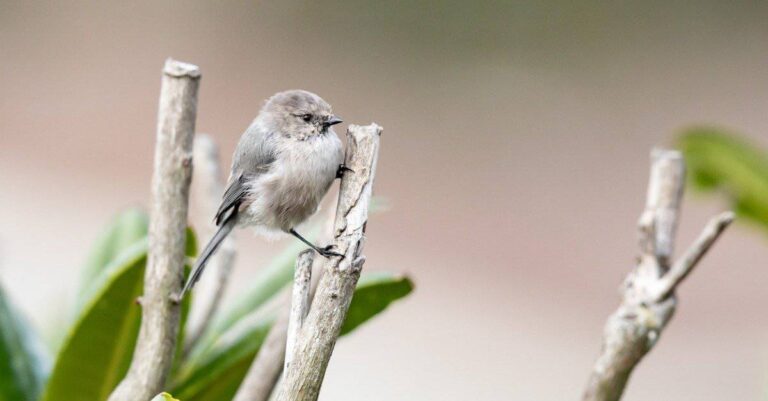
The American bushtit ignores potential danger signals making it one of the dumbest birds.©iStock.com/Jeff Huth 

The bushtit (Psaltriparus minimus) is a small, gray songbird found throughout much of western North America. It is the smallest passerine in its range and can be recognized by its distinctive black cap and bib. Despite their diminutive size, they are quite active birds that often flock together in large numbers.

When it comes to intelligence, however, the bushtit bird appears to lack some of the traits associated with smarter species. They have been observed ignoring potential danger signals from other animals or humans. These signals include loud noises or sudden movements that might startle more intelligent birds away from an area. Their nests are also very basic. Most consist of just a few twigs stuck together with spider webs rather than elaborate constructions built out of grasses or moss-like many other species do. As such, they may not be able to recognize complex patterns or plan ahead when constructing their homes as smarter birds can do.

Kentucky Warbler

Male Kentucky Warbler perched on a small branch.
Kentucky Warbler is unable to adapt to new environments, making it one of the dumbest birds in the U.S.©Agami Photo Agency/Shutterstock.com 

The Kentucky Warbler (Geothlypis formosa) is a migratory songbird native to North America. It has yellow underparts, olive-green upper parts, and a long black tail with white spots near the tip. The male also has a bright chestnut cap and cheek patch. This species breeds in deciduous forests of the eastern and central United States. They can be found from Minnesota east to New England, southward through Florida into Mexico. Its diet consists mainly of insects during the breeding season. However, it shifts to fruits during winter migration and post-breeding dispersal when food may be more abundant or accessible due to fewer competitors like other insectivorous birds who have already migrated out of its range.

The Kentucky Warbler is known to be a low-intelligence bird, mainly due to its inability to adapt to new environments. It is also known for being a poor navigator. It often flies in circles when trying to migrate or relocate during the breeding season. Furthermore, research has shown that the Kentucky Warbler does not have strong problem-solving skills and relies heavily on instinct rather than learning behaviors through experience. As such, it can be quite difficult for this bird species to survive in certain conditions or habitats where they are unable to find food sources readily available.

Western Meadowlark

western meadowlark
Western Meadowlarks are one of the dumbest birds because they do not look both ways when crossing the street and become roadkill.©iStock.com/photographybyJHWilliams 

A Western Meadowlark is a medium-sized bird that can be found in the western two-thirds of the United States. The species has also been introduced to Hawaii, where it is now established. It belongs to the family of passerine birds and commonly inhabits grasslands, meadows, pastures, and agricultural fields.

Western Meadowlarks are known for their low intelligence when compared with other bird species. They do not always look both ways before crossing roads, causing them to become roadkill frequently due to their lack of caution around cars. Additionally, these birds often mistake shiny objects such as coins or pieces of foil for food and try to consume them even though they pose a health risk for them if ingested. Furthermore, studies have shown that this species does not remember learned behaviors well, which can cause it difficulty adapting to new environments or changes in its current habitat conditions.


هل ترغب في تذوق المأكولات الهندية الأصيلة في مطبخك الخاص؟ لا مزيد من البحث! في هذه المغامرة الطهوية، سوف نستكشف عالم دجاج تيكا ماسالا النابض بالحياة والعطري. يعود أصل هذا الطبق المحبوب إلى شبه القارة الهندية، وقد استحوذ على قلوب وأذواق عشاق الطعام في جميع أنحاء العالم. انضم إلي وأنا أرشدك خلال العملية خطوة بخطوة لإنشاء دجاج تيكا ماسالا المثالي في منزلك.

المكونات التي ستحتاجها:

قبل أن نبدأ رحلة الطهي، دعونا نجمع المكونات الأساسية. ستحتاج إلى قطع الدجاج الخالية من العظم واللبن ومعجون الزنجبيل والثوم ومزيج من التوابل العطرية مثل الكمون والكزبرة والكركم والجرام ماسالا. لا تنس الطماطم والبصل والكريمة للحصول على مرق غني وكريمي. مع وجود هذه المكونات تحت تصرفك، أنت على استعداد لإنشاء سيمفونية من النكهات التي ستسعد حواسك.

تتبيلة الدجاج:

يكمن سر دجاج تيكا ماسالا الأصيل في عملية التتبيل. تُمزج قطع الدجاج مع الزبادي، ومعجون الزنجبيل والثوم، ومزيج التوابل العطرية. اتركي الدجاج منقوعًا لمدة لا تقل عن بضع ساعات، أو يفضل طوال الليل. تضمن عملية التتبيل هذه أن النكهات تتغلغل في اللحم، مما ينتج عنه قطع دجاج طرية ولذيذة تذوب في فمك.

عملية الطبخ:

بمجرد أن يتبل الدجاج إلى درجة الكمال، فقد حان الوقت لإشعال الموقد. احرق قطع الدجاج المتبلة حتى يصبح لونها بنيا ذهبيا ومتفحمة قليلا، مما يضفي عليها نكهة الدخان. في مقلاة منفصلة، يُقلى البصل والطماطم حتى يتشكل مرق سميك ولذيذ. أضيفي قطع الدجاج المشوية إلى المرق، واتركيها على نار هادئة وتتشرب النكهات الغنية. قم بإنهاء الطبق بإضافة كمية كبيرة من الكريمة، مما يضفي ملمسًا مخمليًا على الماسالا.

الخدمة والاستمتاع:

تهانينا! لقد نجحت في إعداد دجاج تكا ماسالا اللذيذ الذي ينافس عروض مطعمك الهندي المفضل. يُقدّم الطبق ساخنًا ويُزيّن بأوراق الكزبرة الطازجة إلى جانب الأرز البسمتي المطهو على البخار أو خبز النان الدافئ. من المؤكد أن مزيج قطع الدجاج الطرية والماسالا الكريمية العطرية سينقل ذوقك إلى شوارع الهند الصاخبة.

يعد تحضير دجاج تكا ماسالا في المنزل تجربة طهي مبهجة تسمح لك باستكشاف النكهات الغنية والمتنوعة للمطبخ الهندي. مع حفنة من المكونات الطازجة، واندفاعة من الإبداع، وقليل من الصبر، يمكنك إعادة إنشاء هذا الطبق المميز في مطبخك الخاص. لذلك، اجمع قدورك ومقاليك، واحتضن التوابل، وانطلق في رحلة لذيذة ستثير حواسك وتجعلك تتوق إلى المزيد.

A Feline Vanishing Act

In the quiet town of Willowbrook, where the days passed by in gentle cadence, the sudden disappearance of Milo, a beloved tabby cat, sent ripples of worry through the community. For 43 long days, his absence left a void in the hearts of his owners and the neighbors who had grown to love him. It was a mystery that tested their hope and faith, until a miracle unfolded when Milo was found at the bottom of a silo. This is the incredible story of Milo’s miraculous return, a tale of resilience, determination, and the power of community.


A 43-Day Odyssey of Survival and Tenacity

1. The Mysterious Vanishing Act

When Milo first went missing, his owners, the Baker family, were perplexed. He had never strayed far from home before, and his sudden disappearance left them distraught. Fliers were posted, and the neighborhood rallied to search for their feline friend, but days turned into weeks, and hope began to wane.

2. Community Support and Unwavering Belief

In the face of adversity, the Willowbrook community came together. Neighbors, friends, and even strangers joined the search for Milo. They scoured the town, calling his name and leaving out food in the hopes of luring him back. Their belief in Milo’s return was unwavering, a testament to the strong bonds formed in a small town.

3. The Miraculous Discovery

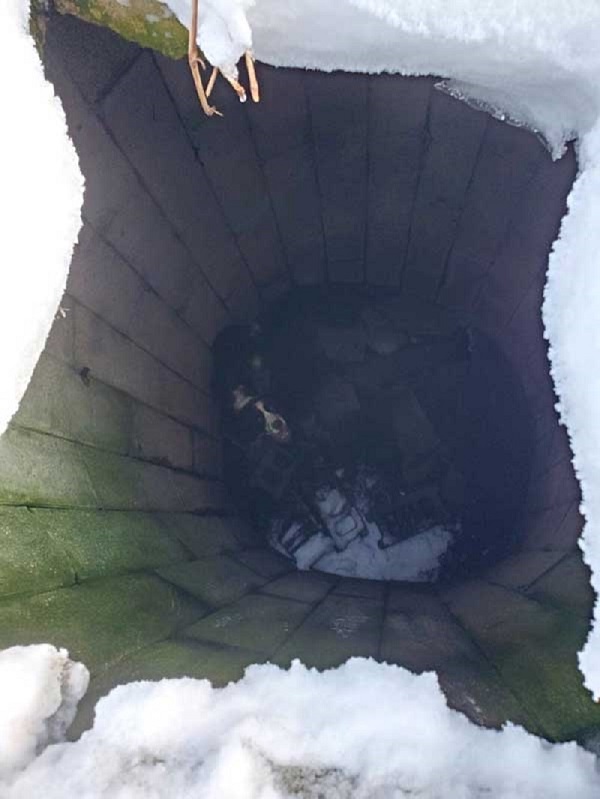
It was on a seemingly ordinary day, 43 days after his disappearance, that a local farmer, Mr. Anderson, made a discovery that would defy belief. While inspecting his silo, he heard faint meowing from below. To his astonishment, he found Milo at the bottom of the silo, frail but alive. It was a moment of pure joy and disbelief, as the news quickly spread throughout the town.

4. Reunion and Recovery

Milo was rushed to the local veterinarian, where he received the care he so desperately needed. The Baker family was overjoyed to be reunited with their beloved feline friend. Milo’s miraculous return was a testament to his resilience and the unyielding spirit of survival. The Willowbrook community’s support had played a pivotal role in the happy ending, proving that sometimes, hope and determination can defy the odds.

A Tale of Resilience and Community

Milo’s miraculous return serves as a heartwarming reminder of the enduring power of hope, community, and the indomitable spirit of our animal companions. His 43-day odyssey of survival is a testament to the unwavering bond between pets and their owners, as well as the strength of a close-knit community.

In a world often marked by uncertainty, Milo’s story showcases the beauty of resilience and reunion. It reminds us that miracles can happen when a community comes together, refusing to give up on the ones they love. In the end, Milo’s return didn’t just bring joy to the Baker family, but to an entire town that had rallied around a common cause.

Milo’s miraculous return will forever be etched in the hearts of the Willowbrook community, a story they will pass down through generations as a testament to the incredible things that can happen when hope and determination prevail.

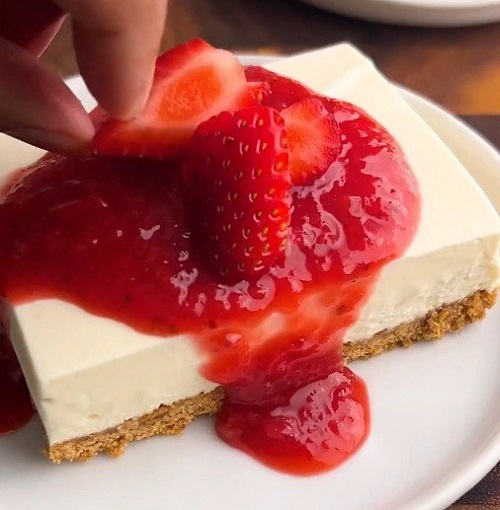
Who doesn’t love a creamy, indulgent slice of cheesecake? Now imagine all that goodness in a convenient, no-bake form, combined with the sweetness of fresh strawberries. It’s a dessert lover’s dream come true! In this post, I’ll guide you through the simple steps to create these delectable no-bake cheesecake bars that will impress your friends and family at any gathering.

Irresistible No-Bake Cheesecake Bars

No-bake cheesecake bars are the perfect solution for when you’re craving a cheesecake but don’t want to deal with the hassle of baking. These bars are not only easy to make but also incredibly delicious. The addition of fresh strawberries not only enhances the flavor but also adds a vibrant, fruity twist that makes them ideal for spring and summer occasions.

Gather Your Ingredients

To get started, you’ll need a few simple ingredients: cream cheese, powdered sugar, vanilla extract, graham cracker crumbs, butter, and of course, fresh strawberries. These ingredients come together to create a harmonious balance of sweetness and creaminess that will leave your taste buds dancing with delight.

Mixing and Assembling the Cheesecake Bars

Begin by mixing the softened cream cheese with powdered sugar and vanilla extract until smooth and creamy. In a separate bowl, combine the graham cracker crumbs with melted butter to create a sturdy, flavorful crust. Press the crust mixture into the bottom of a baking pan to create a solid base for your cheesecake. Then, pour the luscious cream cheese filling over the crust and spread it evenly.

Adding the Strawberry Topping

Now comes the exciting part – adding the fresh strawberry topping! Slice the strawberries and arrange them on top of the cheesecake layer. You can get creative with the arrangement, making it as decorative as you like. The bright red strawberries not only look visually appealing but also provide a burst of juicy sweetness with every bite.

Chilling and Serving

Once your cheesecake bars are assembled, it’s time to let them chill in the refrigerator. This step is crucial as it allows the flavors to meld together and the bars to set properly. After a few hours of chilling, your no-bake cheesecake bars will be ready to serve. Cut them into squares and garnish with additional strawberry slices for an extra touch of elegance.

These no-bake cheesecake bars with fresh strawberries are a delightful treat that captures the essence of summer in every bite. Whether you’re hosting a party or simply satisfying your sweet tooth, these bars are sure to impress. So, gather your ingredients, follow the steps, and treat yourself to a heavenly dessert experience. Enjoy!