
Skip to content

5 interesting Christmas traditions around the world

The Global Tapestry of Christmas Traditions

Christmas is a time of celebration, joy, and traditions. While the core essence of the holiday remains the same — commemorating the birth of Jesus Christ — the way it’s observed varies widely across the globe. Each culture weaves its unique thread into the global tapestry of Christmas traditions, offering a diverse and intriguing array of customs and celebrations. In this blog post, we’ll explore five of the most interesting Christmas traditions from around the world, showcasing the richness of our global heritage.

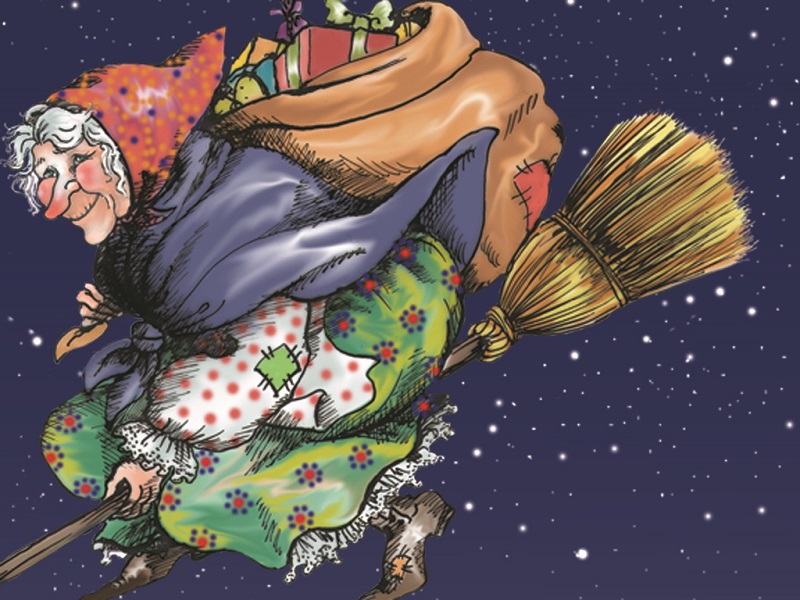
1. La Befana in Italy: The Christmas Witch

In Italy, children look forward to not just Santa Claus but also a magical and slightly unconventional visitor called La Befana. On the night of January 5th, La Befana, an old witch-like character, flies on her broomstick, delivering gifts and sweets to children across the country. This tradition stems from the tale of the three wise men seeking the birth of Jesus and asking La Befana for directions. While she couldn’t help them find the baby, she continues to bring gifts to children every year.
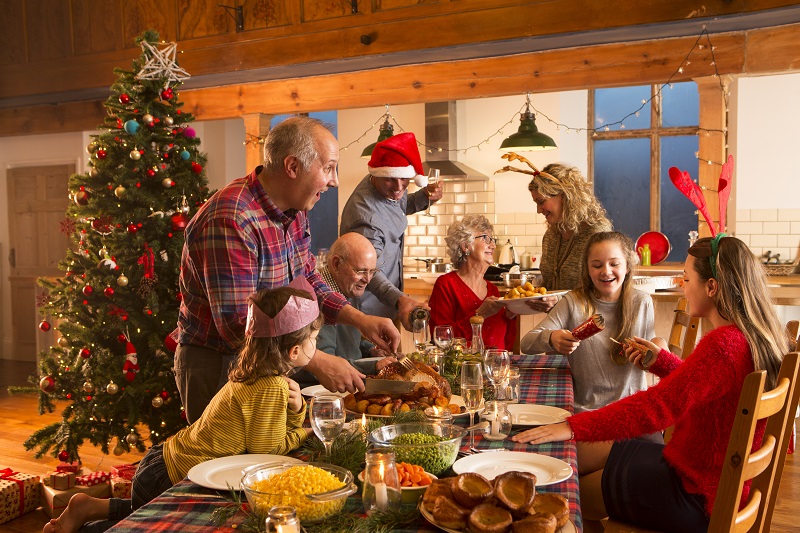
2. Nochebuena in the Philippines: A Feast of Family

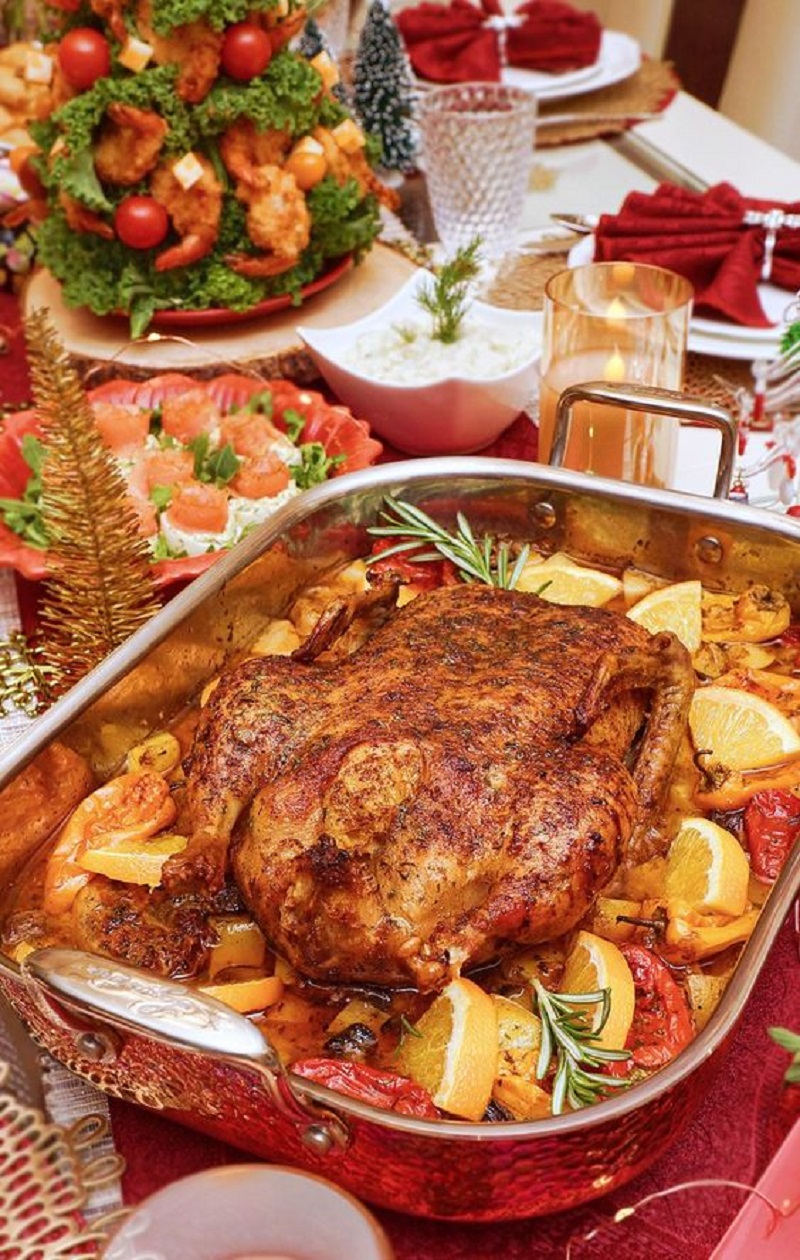
In the Philippines, Christmas Eve, or “Nochebuena,” is a night dedicated to family, food, and festivity. This cherished tradition brings extended families together for a sumptuous midnight feast. Tables are adorned with a variety of dishes, including “lechon” (roast pig), “bibingka” (rice cake), and “puto bumbong” (purple rice cake). Family members exchange gifts and attend “Simbang Gabi,” a series of nine dawn masses, as a spiritual preparation for Christmas.
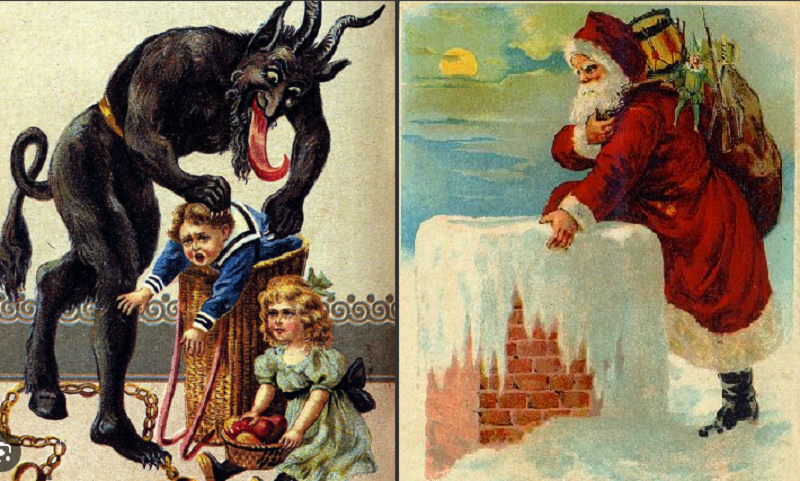
3. Krampusnacht in Austria: Santa’s Sinister Companion

Austria’s Christmas tradition adds a unique twist to the holiday season. On the night of December 5th, Krampusnacht is celebrated with people dressing up as Krampus, a sinister companion of Saint Nicholas. Krampus is depicted as a devilish figure who punishes misbehaving children with a switch or by stuffing them into a sack. This spooky yet beloved tradition reminds children to be on their best behavior during the holiday season.
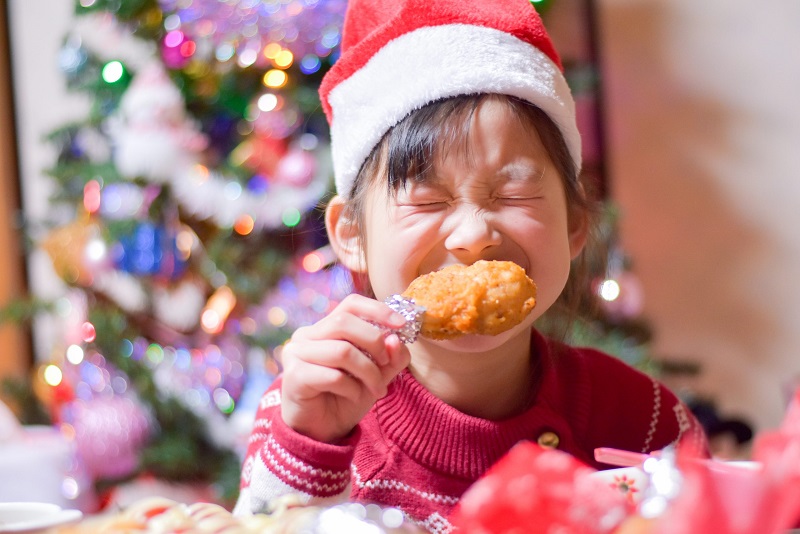
4. KFC in Japan: Christmas with Colonel Sanders

In Japan, Christmas is a unique blend of Western and Japanese traditions. One particularly quirky tradition is the custom of enjoying Kentucky Fried Chicken (KFC) on Christmas Eve. This unlikely association began in the 1970s when KFC launched a successful marketing campaign featuring Colonel Sanders as Santa Claus. Now, it’s become a popular annual event, with people reserving their KFC meals months in advance.
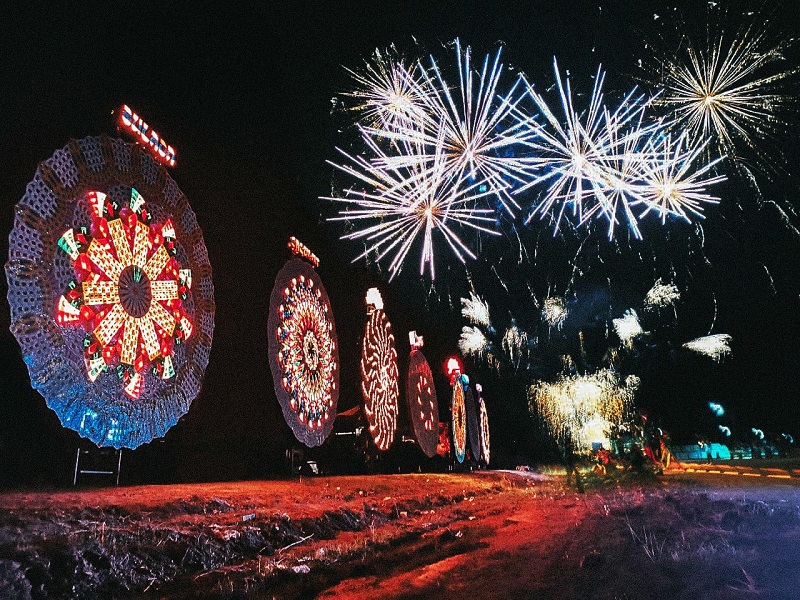
5. Giant Lantern Festival (Philippines):

The Giant Lantern Festival, locally known as “Ligligan Parul,” takes place in San Fernando, Pampanga, in the Philippines. This event showcases enormous and intricate lanterns made by skilled craftsmen and artists. Each lantern is often adorned with thousands of lights, and the festival draws crowds from all over the country. The competition for the most beautiful and extravagant lantern has become a significant part of the Filipino Christmas tradition.
A Global Celebration of Christmas

These five Christmas traditions from around the world are just a glimpse into the rich tapestry of celebrations that take place during this festive season. From Italy’s Christmas witch to the Philippines’ family feasts, Austria’s Krampusnacht, Japan’s KFC dinners, and Spain’s playful pranks, each tradition offers a unique perspective on the holiday.

Christmas transcends borders and unites people worldwide in the spirit of joy, togetherness, and goodwill. As we celebrate the birth of Jesus Christ, it’s heartening to know that we also celebrate the diversity of our global traditions and the common thread of love, compassion, and celebration that runs through them all.

We will reveal more interesting things about Christmas in the next articles, please follow and wait for us!
As the calendar turns to December, a sense of enchantment fills the air, and hearts are aglow with anticipation. It’s that time of year again – Christmas. A celebration cherished around the world, Christmas holds a special place in the hearts of millions of people, and in the United States, it’s a season filled with traditions, togetherness, and the spirit of giving.
There’s a lot to love about Christmas – food, family, friends,.. What makes the holiday season even more charming is the fact that all around the world, countries have developed their own Christmas traditions.

Here are the most wonderful (or wonderfully weird) Christmas traditions from around the world:

1. Christmas Chicken

Christmas is all about food, and in Japan, this food is associated with three letters: KFC. People flock to the American fast-food chain KFC to eat – get your drumsticks out – “Kurisumasu ni wa kentakkii!” aka “Kentucky For Christmas!” The tradition of eating “(Fried) Christmas chicken” goes back to a marketing campaign in 1974 – and to this day, KFC records the highest sales volume each year on Christmas Eve.

2. Lucky Numbers

Since the late 19th century, the Spanish National Lottery has been giving out the biggest amount of money of the year: “El Gordo” or “The Fat One.” It has become a huge social event, usually on December 22, and people get together with dozens of lottery tickets each, in high hopes of being one of the lucky winners.

The lottery numbers are traditionally sung by a choir of twenty-two school children, and the whole country basically stands still in hopes for the Christmas present of a lifetime.

3. Christmas Log


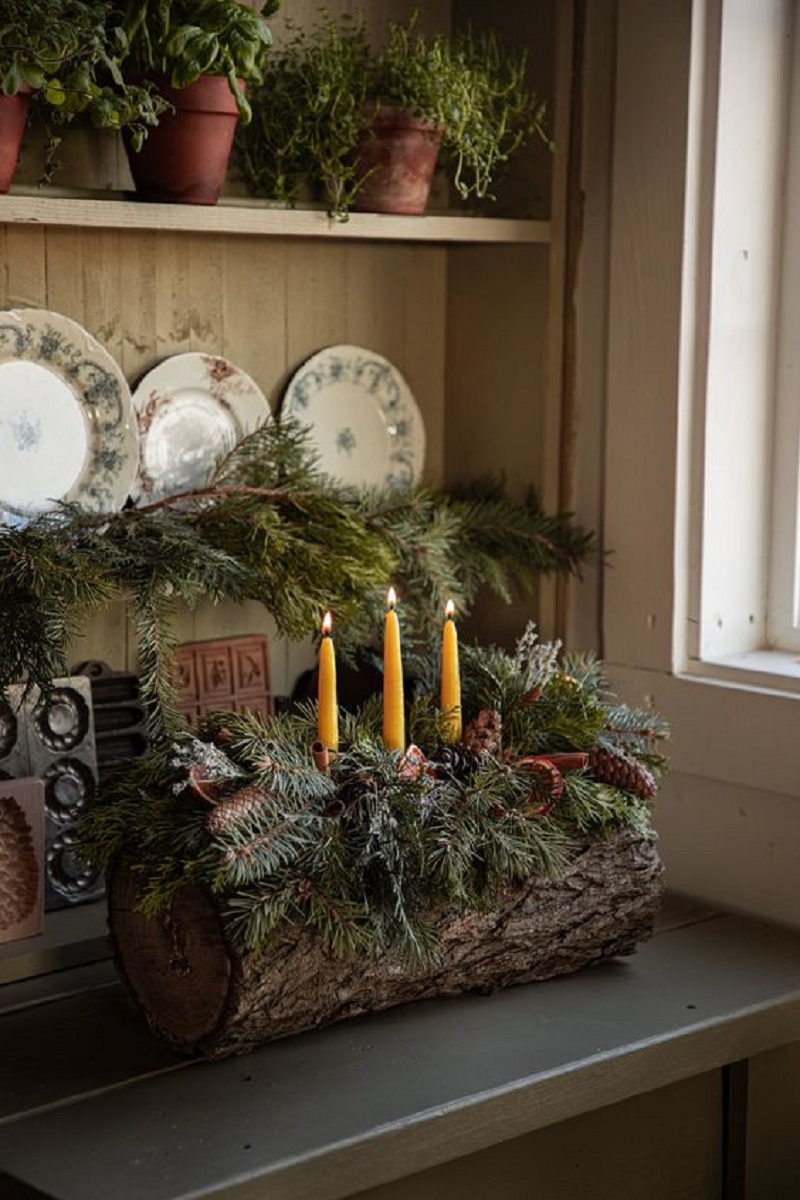
In case you’re not a fan of Christmas trees, can we interest you in a Christmas log? In many parts of Spain, the gifts are brought by Tió de Nadal or Christmas log – a piece of wood that is often decorated with a face and little legs.

However, the log doesn’t just bring the presents to the families: Tió de Nadal also gets fed at night, and it can cozy up with its own little blanket. Cute, right? Well, the cuteness stops right there: On Christmas Eve, the log is put in the fireplace where the families beat the poor little log with sticks until it presents and candies.

4. Brooms and Mops

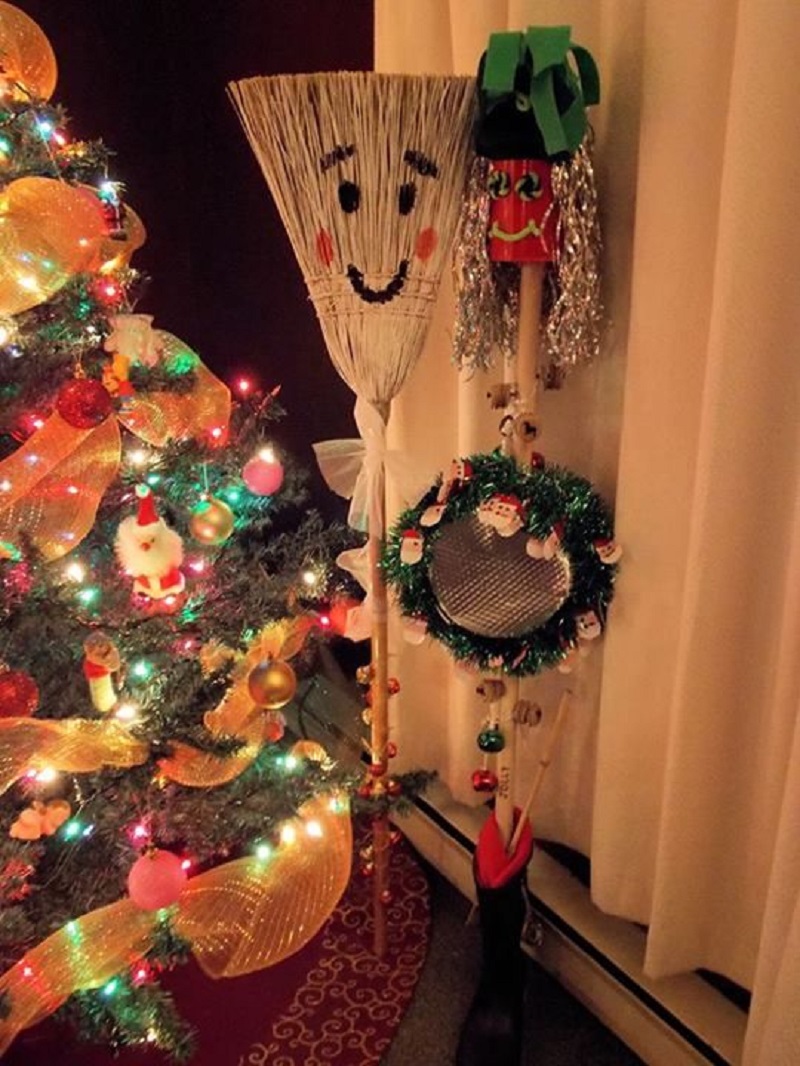
In Norway, Christmas means hiding your mops and brooms – not because people don’t want to clean, but because Norwegians are a little superstitious and want to prevent evil spirits, who return to Earth that night, from stealing the brooms and going on joyrides in the Christmas sky.

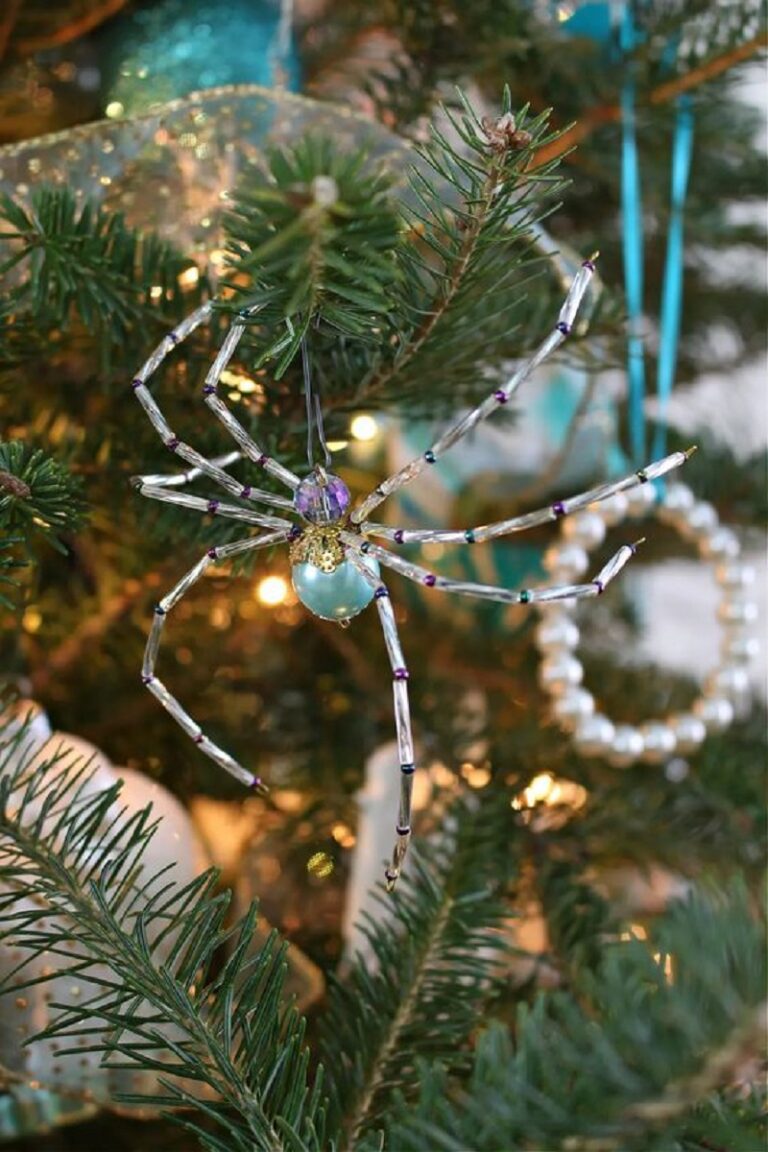
5. Christmas Spiders

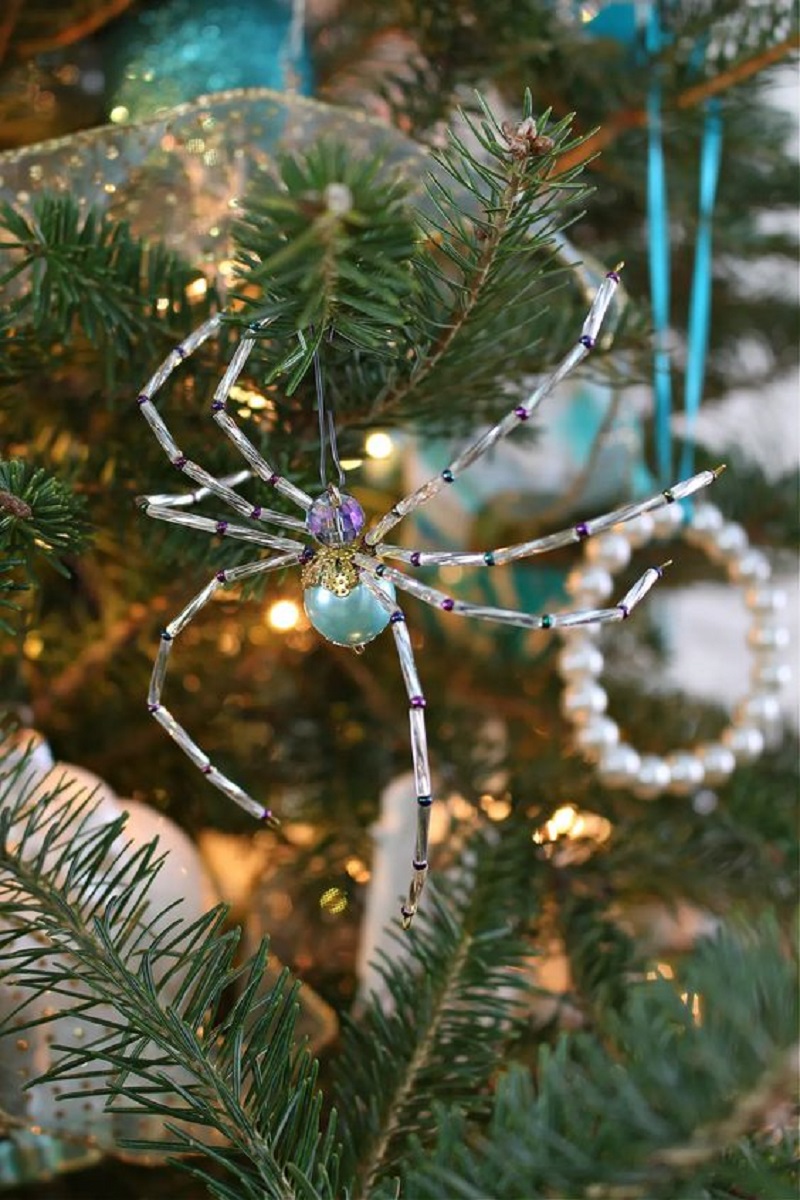
Believe it or not, there such as thing as a Christmas spider. In the Ukraine, the Christmas trees are decorated with spider webs – don’t freak out, they are ornaments that look like spider webs, which are said to bring good luck. The tale goes all the way back to a poor woman who couldn’t afford ornaments to decorate her tree with. The next morning, she woke up and her tree was covered with spider webs that look all sparkly and beautiful in the sunlight.

Other countries, like Poland or Germany, consider it good luck if they find a spider or spider web in the Christmas tree.

6. Santa’s Mailbox

I bet we’ve all written a letter to Santa at some point – but did you know that he actually has an address? His mailbox is in Canada, and if you write him by December 16 – in over 30 languages, including Braille – he will write back.

Just send your letter to Santa Claus, North Pole H0H 0H0, Canada. It’s free and there are no stamps needed – because Santa is awesome. And so is the zip code of the North Pole.

7. Christmas Pickle


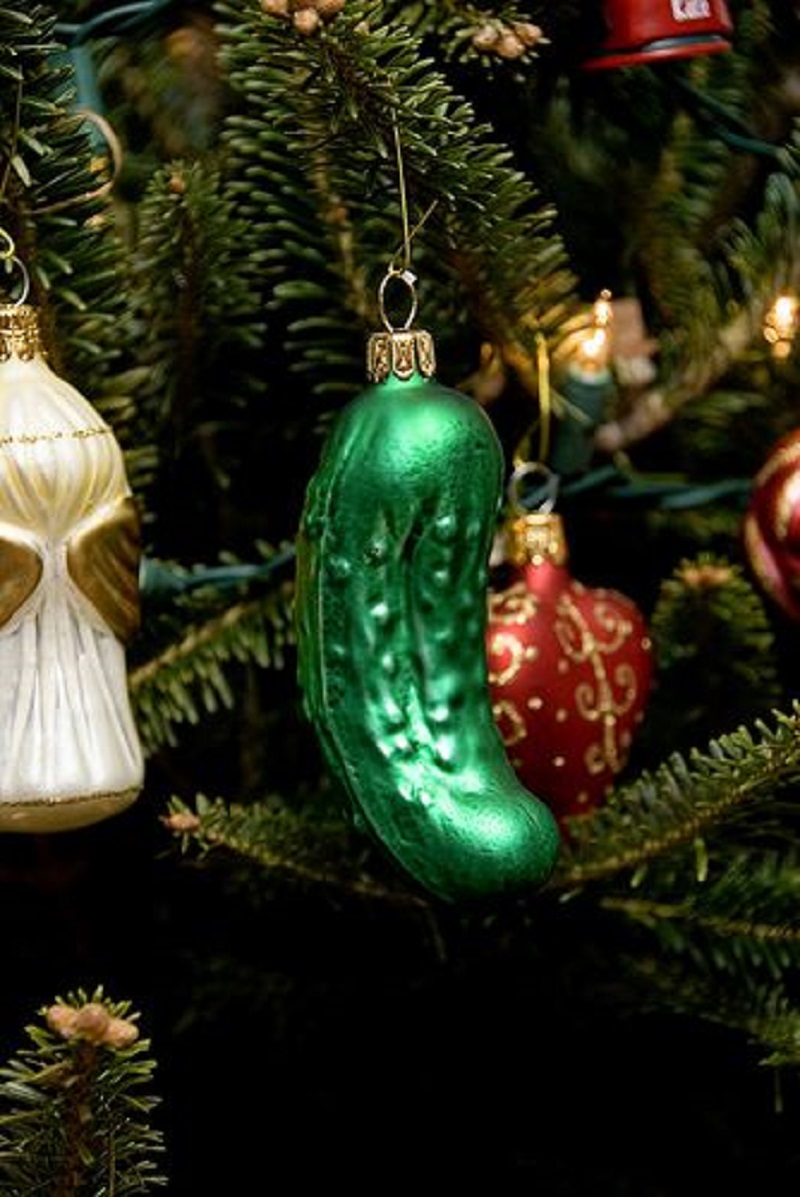
Pickles should be your favorite Christmas decoration because they mean that you get an extra present: in many countries, an ornament in the shape of a pickle is hidden somewhere in the Christmas tree and the person who finds it, will get an extra present or just a whole lot of good fortune.

It’s unclear where the tradition actually comes from, but I think we can live with that – as long as we get that extra present.

8. Guiding Stars

In some parts of the world, like the Ukraine and Poland, the right time to open the presents is written in the stars: the youngest child has to watch the evening sky and wait for the first star to appear – that’s the signal that the opening of the presents can commence. (In case it’s overcast, someone apparently just decides when the time is right.)

9. Christmas Pudding


Pudding – in all flavors and consistencies – is a popular Christmas delight. In Slovakia and parts of the Ukraine, pudding does not only warm the heart, it can also predict the future: the oldest male member of the family takes a spoonful or of loksa pudding and throws it at the ceiling. The more pudding sticks, the more luck you’ll have. Simple as that.

10. Donald Duck

An important Swedish tradition is the Christmas “Donald Duck Special”. This hour-long TV show airs on Christmas Eve at 3 p.m., and all the festivities are planned around it, so that the families can watch the show together.

11. Christmas Monsters

Christmas, in all its festive and joyous glory, also seems to be the time for monsters that remind the kids to be nice and behave for at least one month of the year. One of the more surprising members of this “Christmas Police” is Jólakötturinn, the Icelandic Christmas cat.

Sounds cute, but, just like a certain log, it’s not what it seems: Jólakötturinn eats children – namely the children who didn’t do their chores and, therefore, didn’t get new clothes for Christmas. Meowry Christmas!

12. Roller Skating

The award for Coolest Mode of Christmas Transportation goes to Venezuela’s capital, Caracas: There,  people don’t just walk to Christmas mass (Christmass?), no, they roller-skate. Parts of the city are even blocked off, so everyone can safely skate to church.

Christmas traditions are not static; they evolve with time and adapt to changing circumstances. What remains constant, however, is the underlying message of love, togetherness, and the warmth of human connection. These traditions not only bring joy during the holiday season but also serve as a reminder of the importance of these values throughout the year.

As we bid farewell to another Christmas, let us carry the spirit of these traditions with us into the coming days, months, and years. May the love, joy, and togetherness experienced during this magical season be a guiding light in our lives, inspiring us to practice kindness and generosity to those around us.

So, as we wrap up this exploration of Christmas traditions, let us hold on to the timeless customs and the bonds they help create, and may they continue to illuminate our lives with the spirit of giving and unity, not just during the holiday season but throughout the entire year. Merry Christmas to all, and may the essence of this beautiful holiday remain in your hearts always.

We will reveal more interesting things about Christmas in the next articles, please follow and wait for us!

Jamaican Jerk Chicken, with its vibrant blend of spices and irresistible aroma, is a culinary marvel that has tantalized taste buds for generations. In this comprehensive guide, we’ll explore the secrets behind crafting the perfect Jamaican Jerk Chicken using a medley of exotic ingredients. So, fasten your seatbelts and prepare for a delectable journey into the heart of Jamaican cuisine.

Unveiling the Essence of Jamaican Jerk Chicken

At the core of Jamaican Jerk Chicken lies a symphony of flavors. Begin your culinary adventure by gathering the essential ingredients. A medley of coarsely chopped onions, scallions, fiery Scotch bonnet chiles, and pungent garlic forms the flavor base. Elevate the taste with a blend of spices – five-spice powder, coarsely ground allspice berries, black pepper, dried thyme, and freshly grated nutmeg. The magic lies in the balance of these elements, creating a culinary masterpiece that is uniquely Jamaican.

The Art of Marination

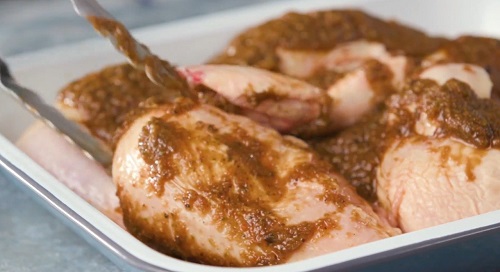
To infuse your chicken with the rich tapestry of Jamaican flavors, marination is key. Combine the aromatic spices with kosher salt, soy sauce, and a touch of vegetable oil. This tantalizing marinade acts as a flavor catalyst, transforming ordinary chicken into a savory delight. Allow the chicken to bathe in this aromatic concoction, letting the flavors seep into every fiber. Patience is a virtue here; the longer the marination, the more intense the flavors.

Perfecting the Grilling Process

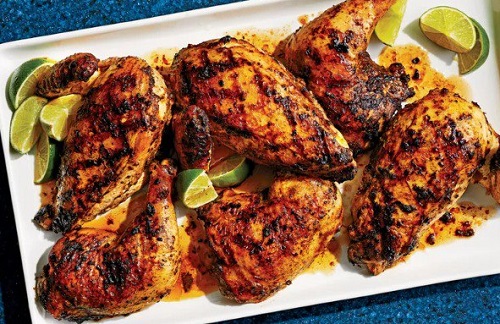
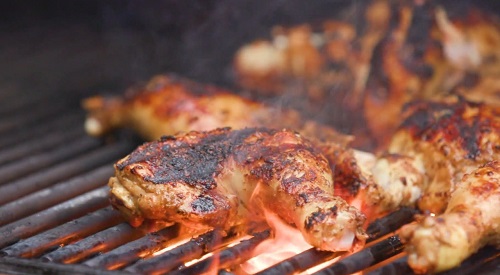
Jamaican Jerk Chicken is renowned for its smoky, charred exterior and succulent, tender interior. Achieving this perfection demands careful grilling. Preheat your grill to medium-high heat and arrange the marinated chicken pieces. The sizzle and aroma will captivate your senses, signaling the transformation of raw ingredients into a culinary masterpiece. Be attentive, turning the chicken pieces occasionally, ensuring an even char that seals in the delectable flavors.

Serving Suggestions and Culinary Pairings

As your Jamaican Jerk Chicken graces the plate with its enticing aroma, consider the art of presentation. Garnish with fresh herbs, perhaps a sprig of cilantro or a wedge of zesty lime, enhancing both the visual appeal and taste. Pair this aromatic dish with traditional Jamaican sides like rice and peas, fried plantains, or a refreshing tropical salad. The interplay of flavors will transport you straight to the sunny shores of Jamaica, making your culinary endeavor truly memorable.

Mastering the art of Jamaican Jerk Chicken is not just a culinary endeavor; it’s a journey into the heart of Jamaican culture. Through the careful selection of ingredients, the artful marination, and the precise grilling, you’ve unlocked the secrets to creating an authentic Jamaican delicacy. So, gather your spices, fire up the grill, and embark on your own flavorful adventure into the world of Jamaican cuisine.

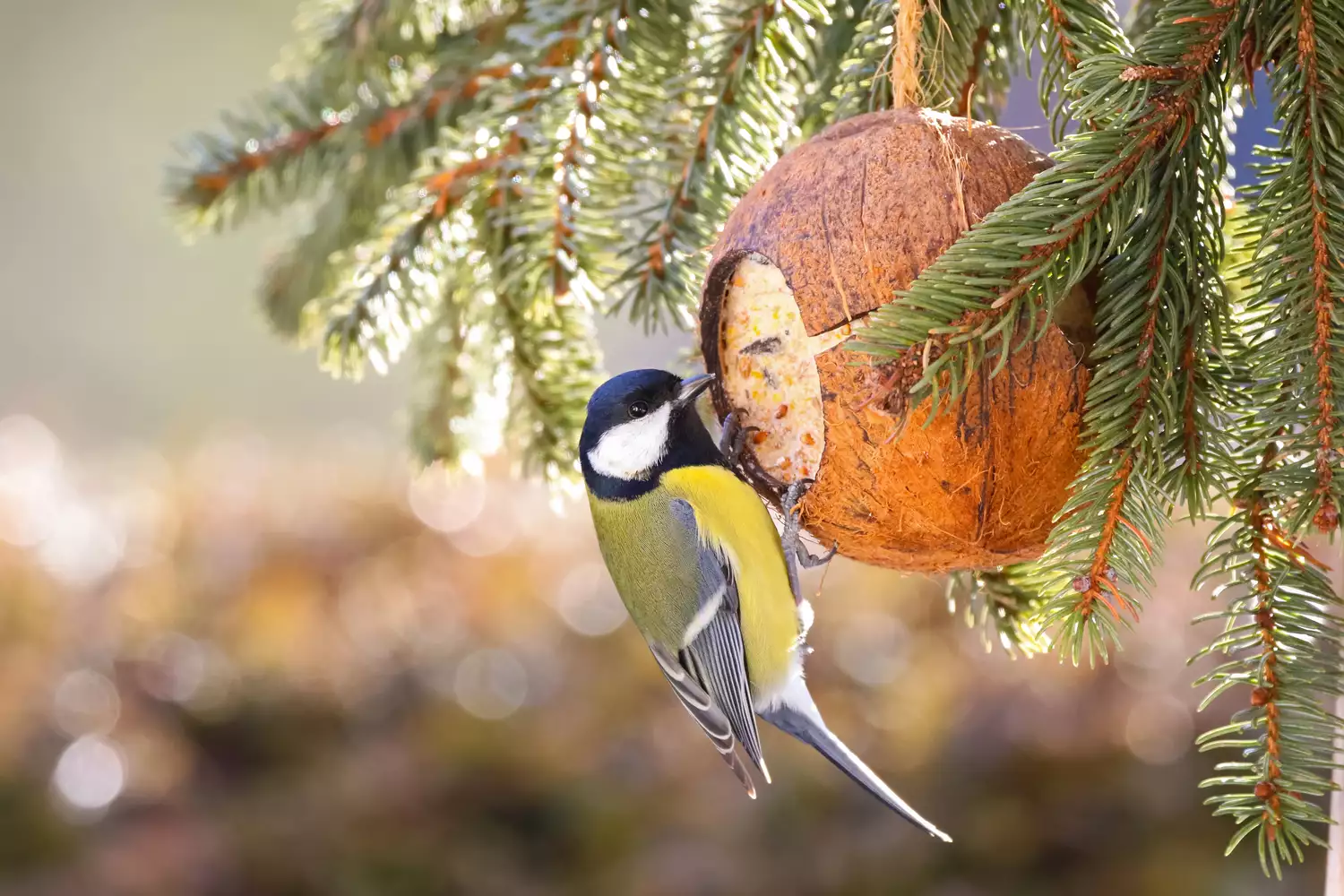
A great tit eating from a coconut feeder.

Ever look around the table when the “aspiring chef” in your family unleashes her latest culinary creation? Everybody seems to be waiting for someone else to take that first fateful bite.

Will it be gross? Not so gross? Or death in a burrito?

It turns out birds also rely on the reaction of friends to gauge the gross-ability factor of new and strange foods.

Particularly, blue tits and great tits — birds with a wide range of culinary pursuits that also tend to forage together.

A study, published this week in the Journal of Animal Ecology, suggests they know what’s good eating by letting another braver tit do the taste-testing. In fact, as the study reveals, even watching a video of those reactions helps them determine which meals to file under “That’s disgusting.”

For the study, researchers at the University of Cambridge prepared a meal for two groups of birds, 12 blue tits and 12 great tits. And by soaking the food in a bitter solution, they made sure it tasted dreadful. Then they marked the bad biscuits with a little black square.

How exactly does a bird make it known that the candidate for a meal has failed utterly? It can’t exactly scrunch up its beak or tell thinly veiled lies about how it tastes “interesting.”

But the birds managed to make their feelings on the repast clear. They shook their heads and wiped their beaks. No thanks.

Fair enoug. But the real surprise came when the Cambridge researchers showed a video of the taste-test to another group, also comprising 12 blue tits and 12 great tits. Apparently, they were paying attention — because when the same unpleasant morsels with little black squares on them were offered up, they sampled far fewer of them.

Interestingly, researchers also noted that blue tits learned the most by watching other blue tits. Great tits, the much bigger bird, however, could easily pick up visual cues from either species.

This may be due to the blue tit’s small stature, which may impose stricter dietary guidelines.

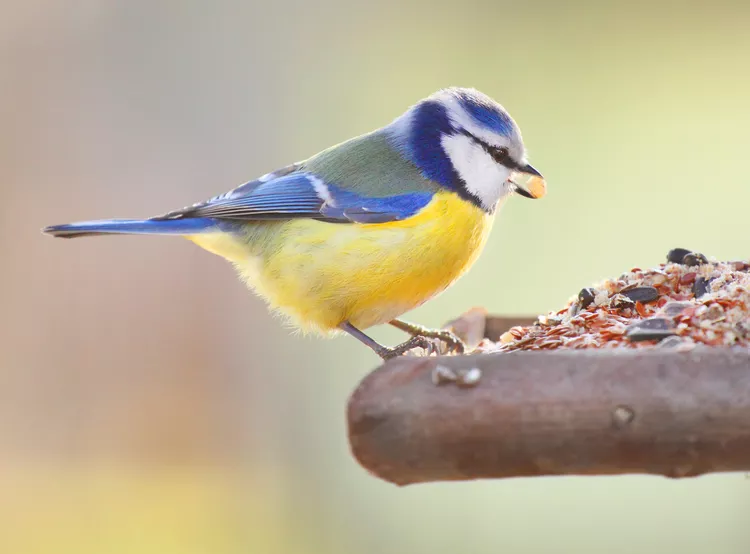
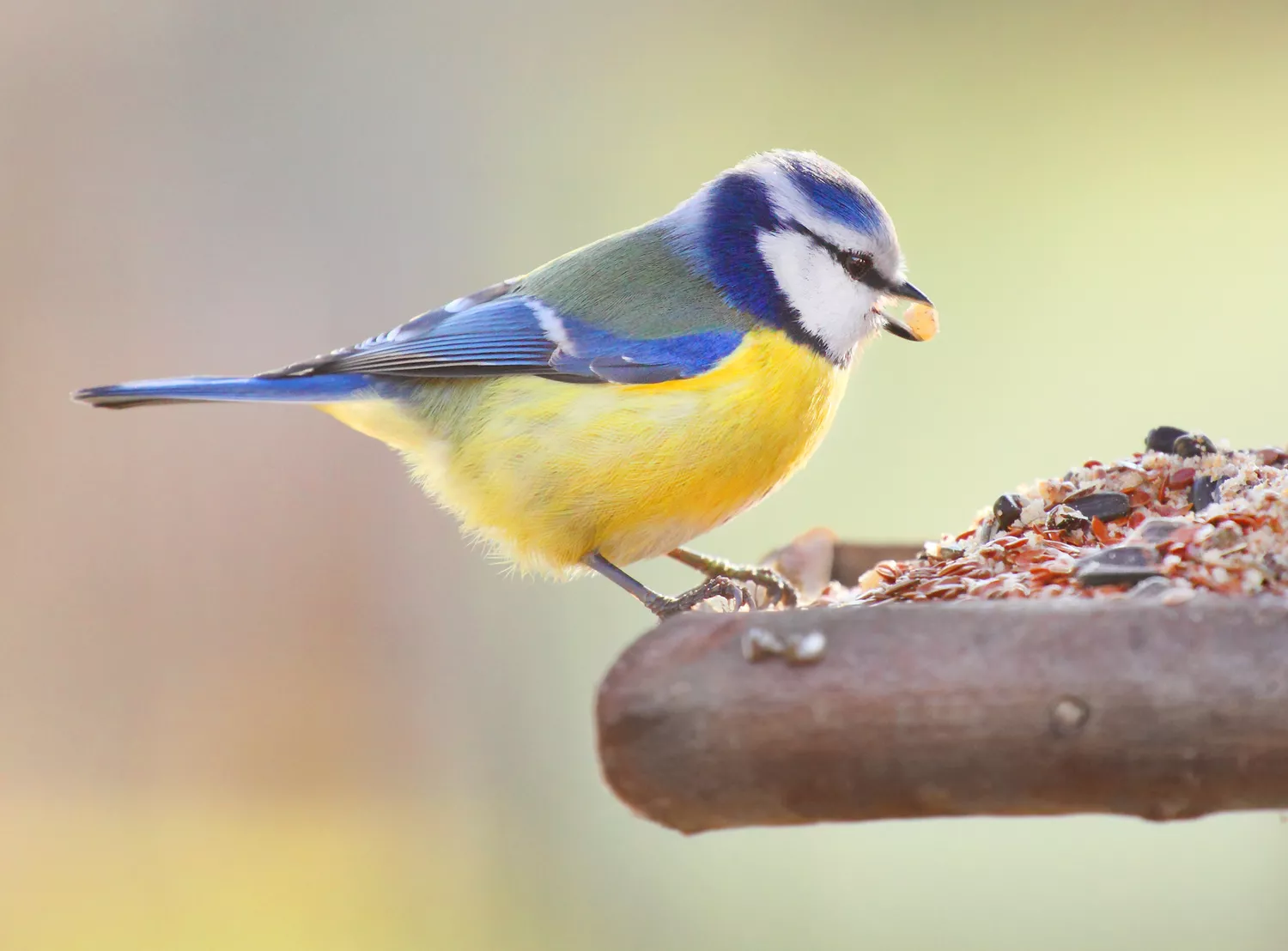
A blue tit eating seeds.
Blue tits learn best by watching their own kind eat, which may suggest they have more specific dietary restrictions. Kletr/Shutterstock

“The two species differ in size, and it is possible that great tits can cope better with chemical defences because they are larger than blue tits,” study co-author Liisa Hämäläinen, an ecologist at the University of Cambridge, tells New Scientist. “The costs to consume potentially toxic food might therefore be higher for blue tits.”

We know that animals from different species can rely on each other to gather essential information about their environment. Squirrels, for example, determine whether it’s safe to go outside by eavesdropping on conversations between birds.

But, as New Scientists notes, this is only the second time birds have been spotted taking dining cues from another species. Previously, only red-winged blackbirds and common grackles shared food notes.

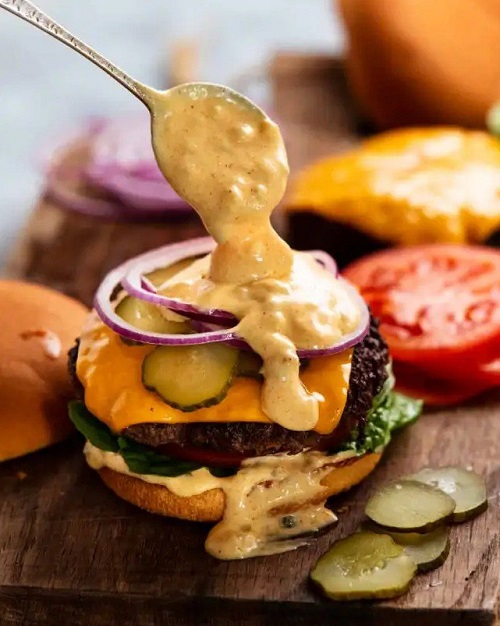
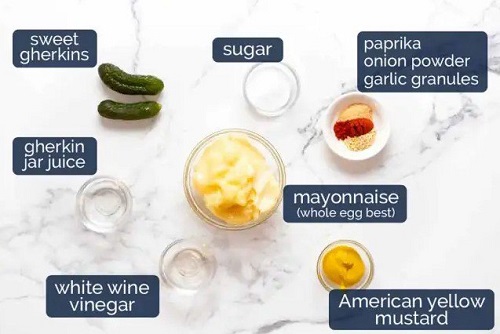
When it comes to elevating your burger game, the secret often lies in the sauce. A delectable burger sauce can transform a simple patty into a culinary masterpiece. In this post, we’re diving deep into the art of crafting the perfect Special Burger Sauce. With a harmonious blend of ingredients, including 3/4 cup whole egg mayonnaise, 1 tbsp American yellow mustard, finely chopped sweet gherkins, gherkin juice, white sugar, white wine vinegar, paprika, garlic granules, and onion powder, this sauce is set to tantalize your taste buds.

Let’s start with the base of this magical concoction: whole egg mayonnaise. Its rich, creamy texture provides the ideal foundation, ensuring the sauce clings perfectly to your burger components. The addition of American yellow mustard introduces a tangy kick, balancing out the sweetness of the gherkins and sugar. Speaking of gherkins, their finely chopped form, along with a dash of gherkin juice, imparts a delightful crunch and a burst of briny goodness.

To enhance the complexity of flavors, we incorporate white sugar, white wine vinegar, paprika, garlic granules, and onion powder. The sugar adds a subtle sweetness, while the vinegar provides a hint of acidity, brightening up the overall taste profile. Paprika brings in a smoky depth, complemented by the aromatic notes of garlic and onion. It’s this meticulous balance of flavors that sets our Special Burger Sauce apart from the rest.

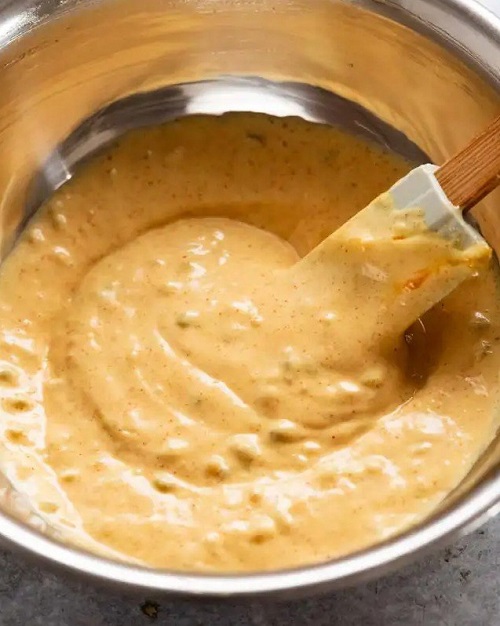
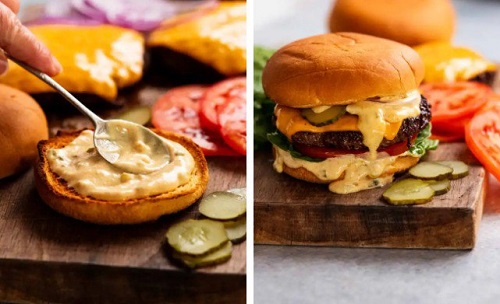
Crafting this sauce is not just a culinary experience; it’s an art form. As you blend these ingredients together, you’ll witness the transformation from individual elements into a harmonious symphony of taste. Whether you’re preparing a classic cheeseburger, a veggie delight, or a hearty chicken burger, this sauce will elevate your creation, making every bite unforgettable.

Mastering the art of Special Burger Sauce opens the door to a world of culinary possibilities. With the right combination of ingredients and a dash of creativity, you can craft burgers that leave a lasting impression. So, roll up your sleeves, gather your ingredients, and get ready to revolutionize your burger game. Your taste buds will thank you for the gastronomic journey they’re about to embark on.

Australia is home to nearly 900 species of bird still in existence, and 45 percent of them can only found in the Land Down Under. From the weebill (the nation’s smallest bird) all the way up to the emu, many birds thrive in this diverse landscape.

For the first time, BirdLife Australia, the nation’s largest bird conservation, has organized a photo competition to highlight the importance of birds and why more should be done to protect them.

“Our mission is to make a real and positive difference for Australia’s birds,” the organization wrote on its website. “Over the years our conservation work has achieved beneficial results for a wide range of different species. Our experience and specialized knowledge combined with our ability to unite and inspire the bird-loving community means that we can act quickly and decisively at local, state and national levels. It’s not just about saving our precious birds — we all enjoy watching birds as well. This is why we help people learn about birds and conduct a diverse array of activities so that you can get out into nature and appreciate birds with like-minded people.”

The inaugural Australian Bird Photographer of the Year features seven categories, ranging from behavior and fine art to human impact.

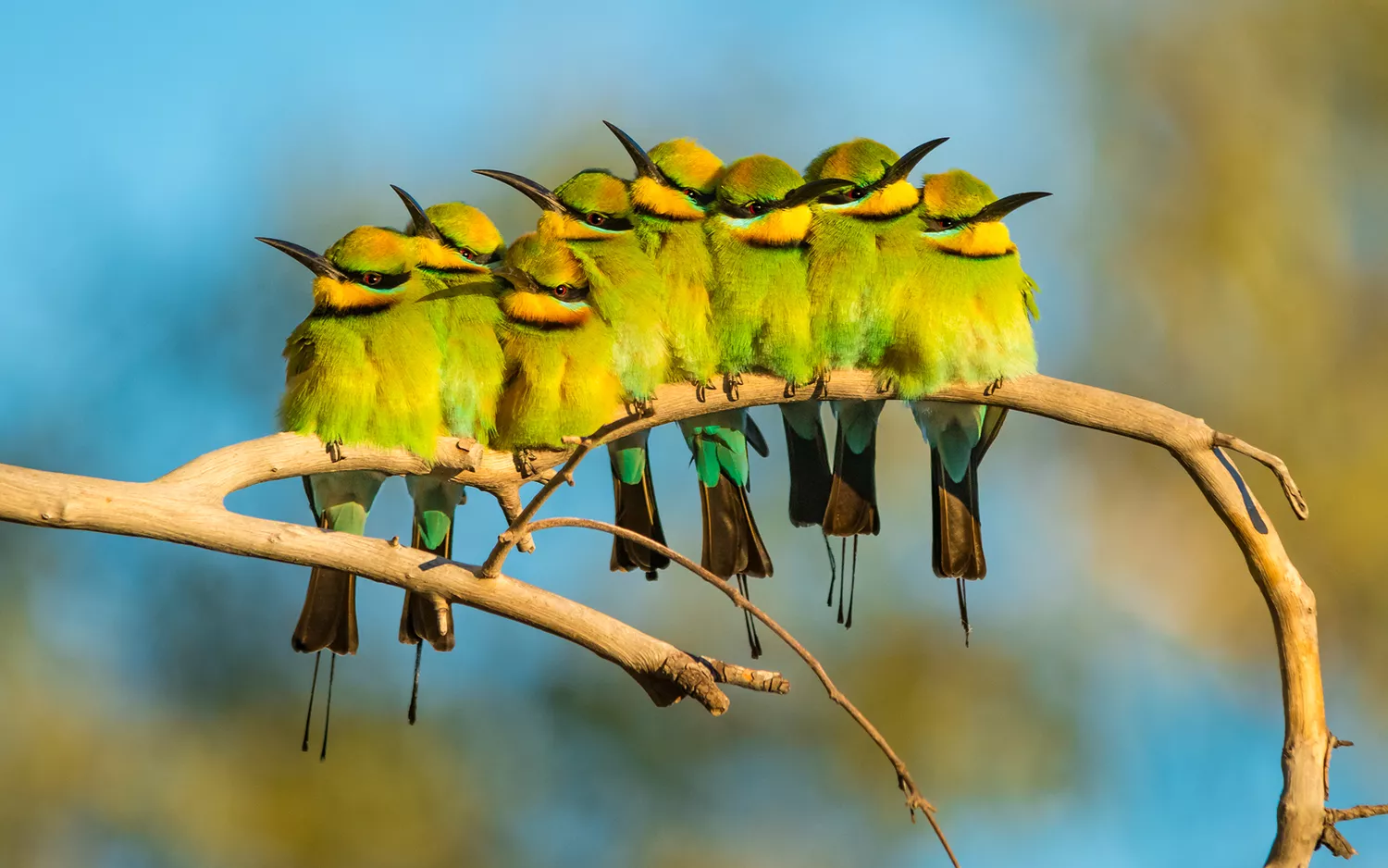
The photo above was taken by Gary Meredith, the winner of the Bird Portrait category.

“Australian rainbow bee-eaters are rarely seen in large groups in Australia, so when I happened to find groups of bee-eaters out in a remote part of the Great Sandy Desert in western Australia I almost didn’t believe what I was seeing at first.

“Over a period of a couple of weeks, I woke very early in the mornings as they only seem to sit together for the first hour of sunlight and then disperse after they had warmed up. The bee-eaters tend to sit quite high in the trees so getting anything other than a blue sky background was going to be quite challenging. My only option was to hold my tripod with camera attached as high as I could and use the touchscreen on the Nikon D850 to take the photo!”

You can see the other winning images below. For each one, the photographers describe their image and how they got the shot in their own words.

Birds in the Landscape winner
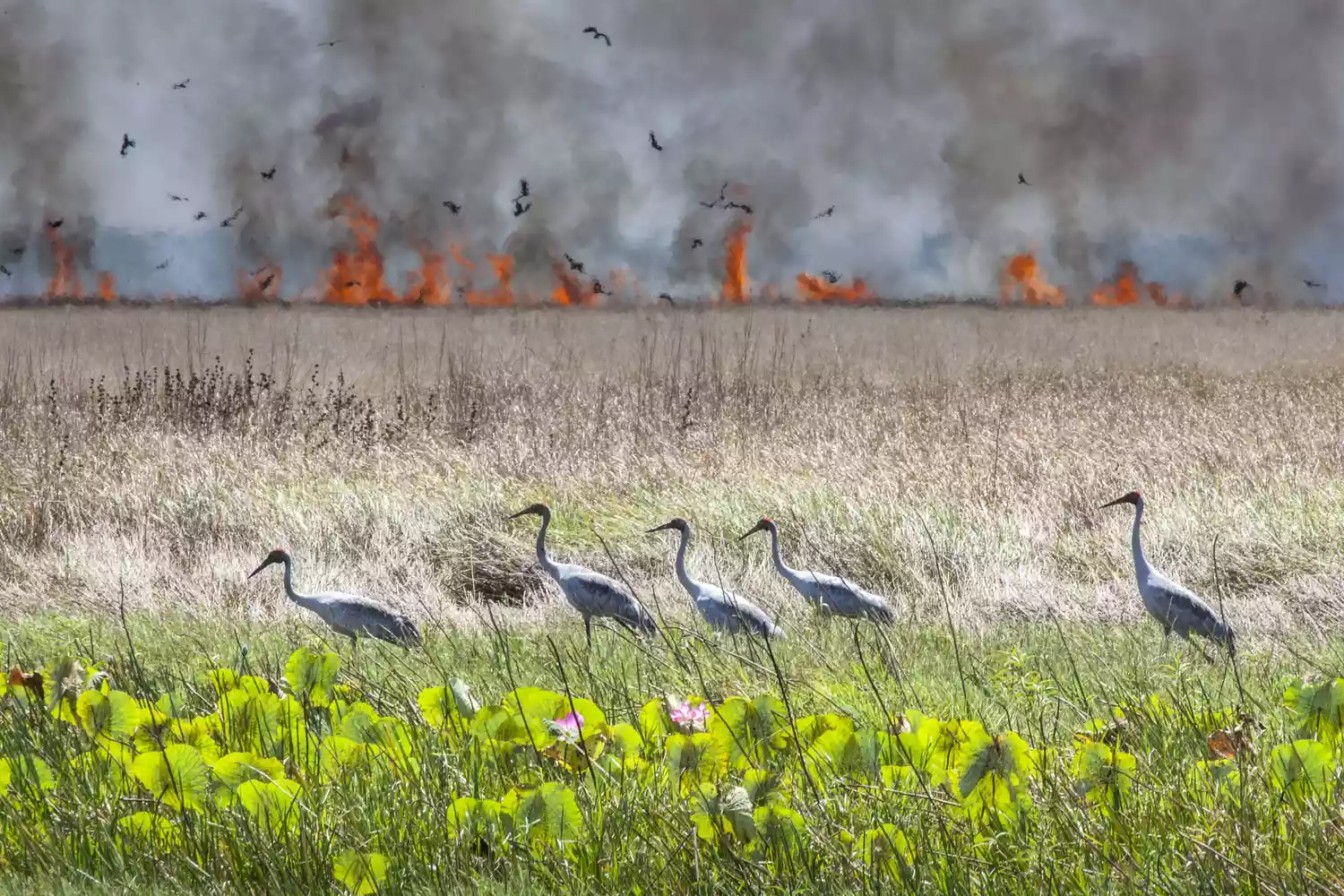
‘Brolga’s flee fire’. (Photo: Cathryn Vasseleu/BirdLife Australia)

“From the Arnhem Highway near Mamukala wetlands in Kakdu I saw a typical dry season grassfire. Kites were hovering above the flames to snoop down and snatch fleeing prey. What made the scene special was a contrasting element; a green patch of waterlillies where some brolgas were staying well away from the blaze. Being upwind of the billowing smoke I had a clear enough view to capture the dramatically different relationship between the two groups of birds and their fiery environment.” — Carolyn Vasseleu

Special Theme: Black-Cockatoos Winner
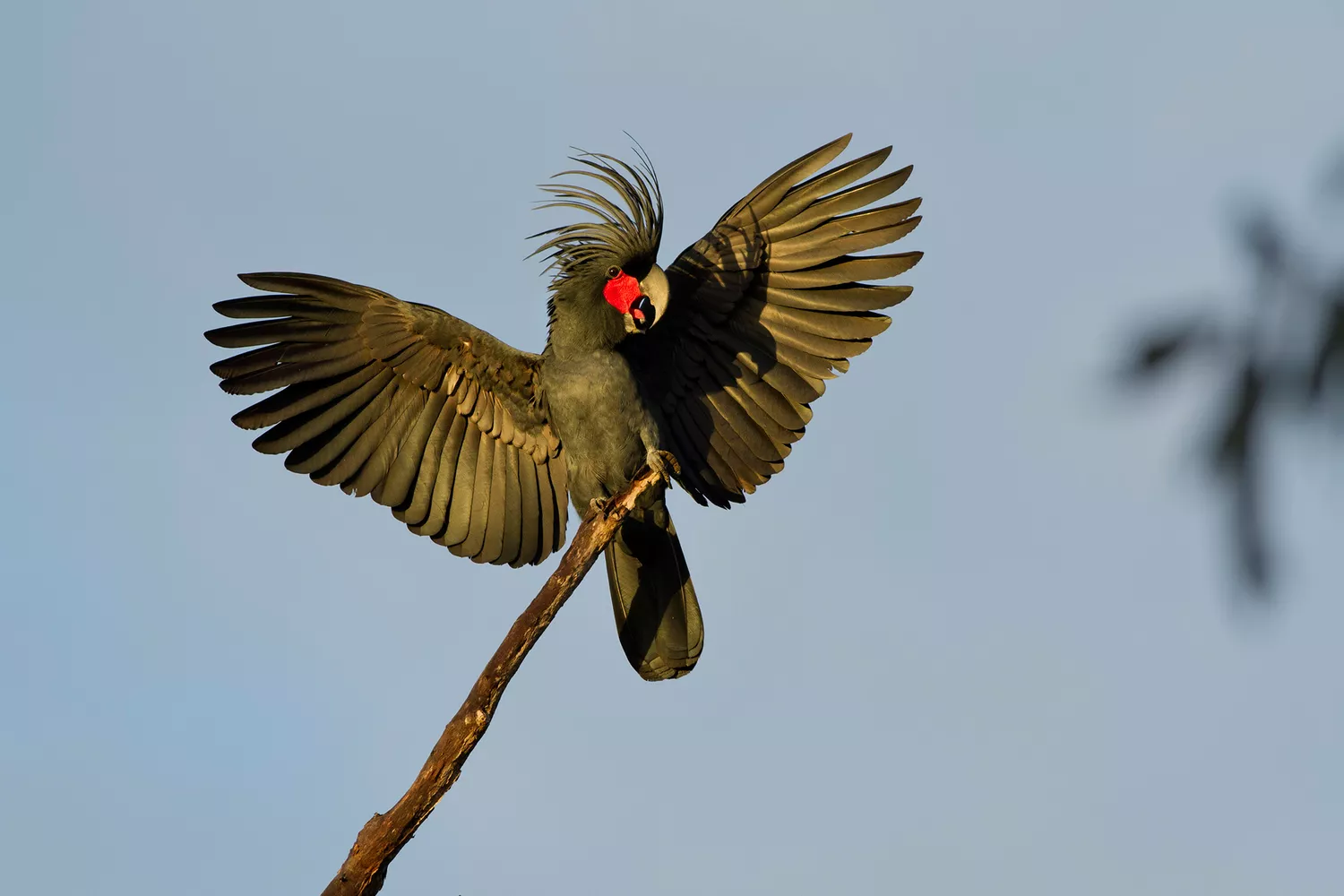
‘Shadow Dancer’. (Photo: Lachlan Hall/BirdLife Australia)

“I had spent 6 weeks helping study the drumming and display behaviours of palm cockatoos for ANU the year prior to this, but we were required to be filming the birds whenever they displaced. In this time I fell in love with palm cockatoos or ‘palmies’ as we called them, they’re a species full of character, a funky look to match it and their display behaviours are fascinating and exciting to witness.

“I had dreamed of getting a shot like this of a palmy in the classic ‘wing spread’ display pose, complete with the crest raised and stunning red cheek patch (and tongue!) on full display, but it wasn’t until I returned to the area on holiday the following year that I had my opportunity. This was taken on my first morning back at Iron Range and knowing how difficult it had often been to capture displaying, I couldn’t … believe being woken up by this male performing and calling loudly on this perfect open perch only 100m or so from camp. I was even more delighted when I realised the golden sun had cast a perfect shadow of the birds unique silhouette against its outstretched wing.” — Lachlan Hall

Creative/Fine Art winner
‘Swooping’. (Photo: Sar Nop/BirdLife Australia)

“I regularly go to Akuna Bay to capture pictures of the local raptors as a few pairs of white-bellied sea-eagles and whistling kites nest along the escarpments there. On the morning I took these photos I was on a small fishing boat when a nearby school of fish attracted a whistling kite, which started swooping its potential prey. I grabbed a burst of the action and took a dozen images, afterwards combining them to create this swooping sequence on my computer.” — Sar Nop

Human Impact Winner
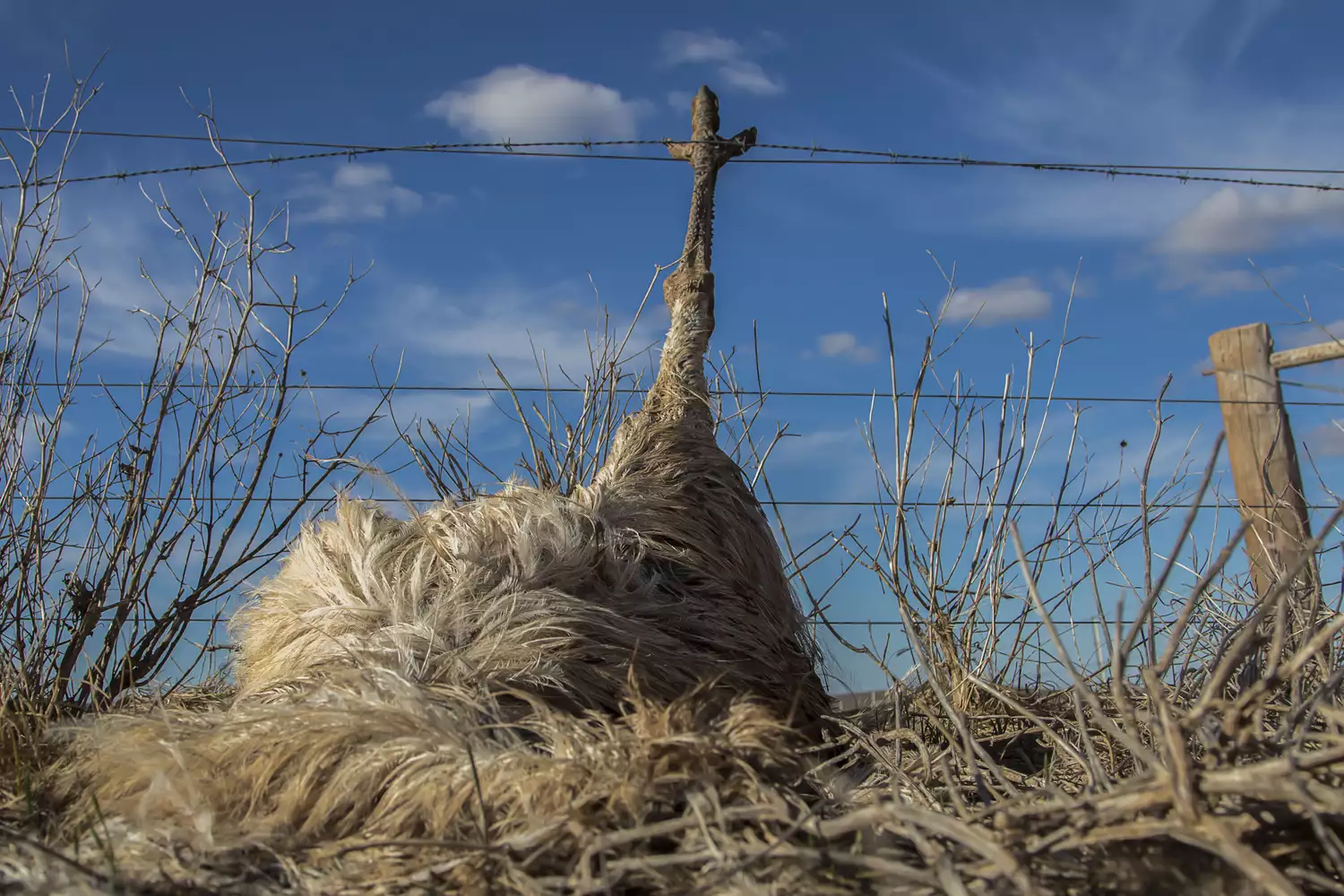
‘A tragic end’. (Photo: Danny McCreadie/BirdLife Australia)

“We were driving along a remote dirt road near Burra SA when we noticed an emu foot pointing skyward along a fence line. Investigation revealed the bird had become entangled while attempting to traverse a barbed wire fence. Unable to free itself it was left to die of exposure to the elements. A tragic end.” — Danny McCreadie

Youth Winner
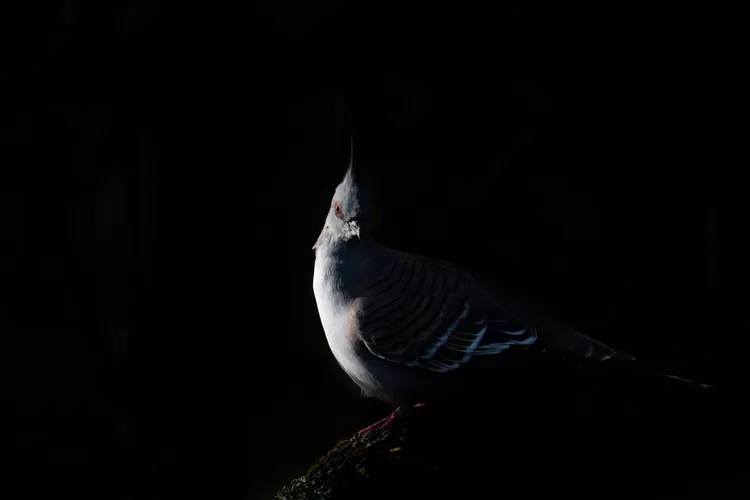
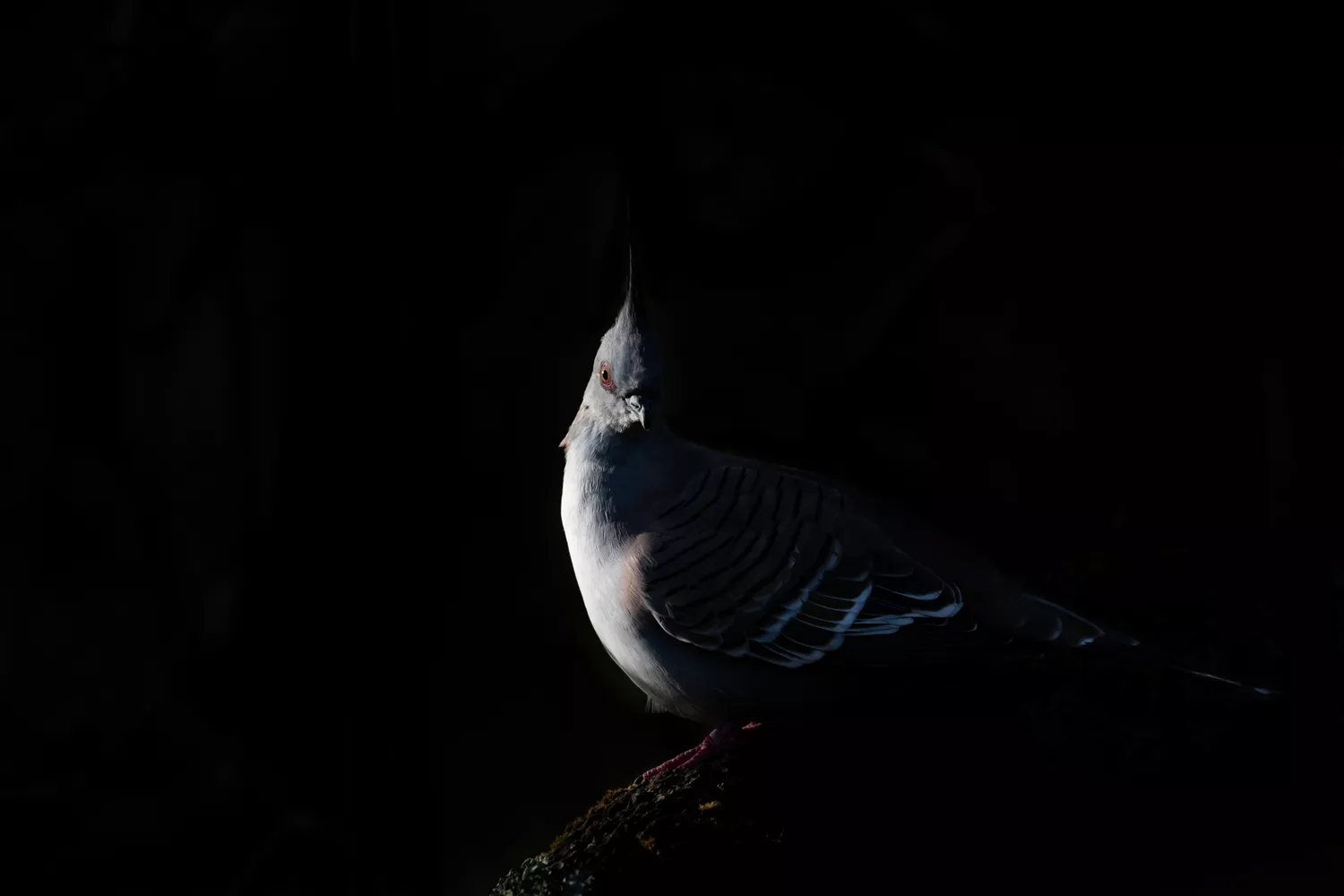
‘Crested Pigeon’. (Photo: Campbell Mole/BirdLife Australia)

“I’ve always had a huge interest in birds since I was really young, and so when I became interested in photography when I was 14 it was sort of natural that I wanted to take photos of birds. I took this particular photo off my grandfather’s back deck in Park Orchards. There was a crested pigeon sitting on a mossy tree branch out the window, and it was lit up really nicely on one side by the early morning sun, which I thought would make a good picture.” — Campbell Mole

Bird Behavior Winner
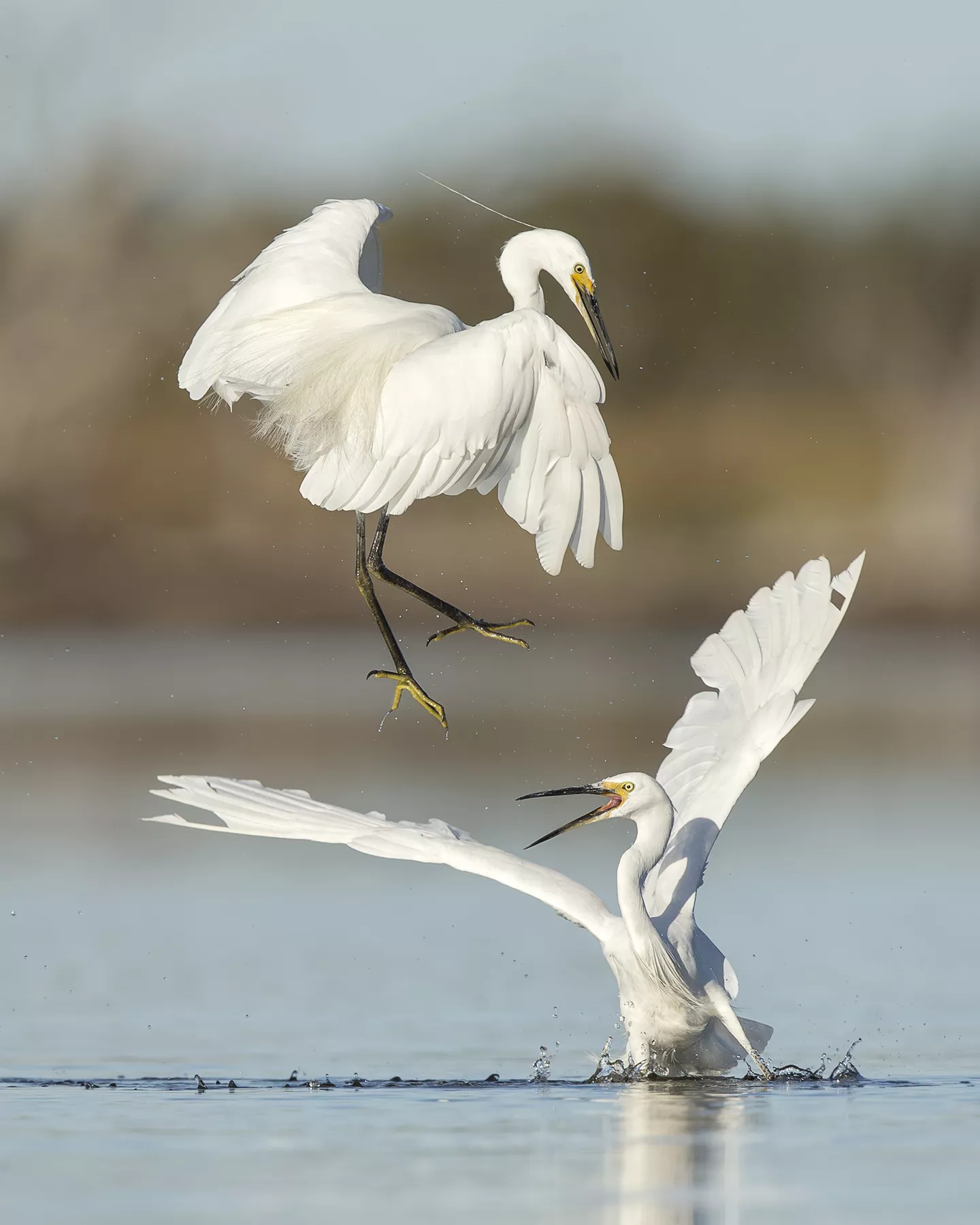
‘Slight Disagreement’. (Photo: Shelley Pearson/BirdLife Australia)

“Each year the little egrets along with other birds mass feed at a certain time of the year. This is exciting to watch as birds compete for the fish and bad behaviour often occurs. This is something I have wanted to capture on camera and I have pursued passionately over the years. It has a high degree of difficulty due to the behaviour suddenly occurring and is over very quickly as they jump into the air. Technical aspects are hard to achieve as you have no control of direction of behaviour, backgrounds etc. This appeals because I managed to isolate these two from the crowd and expressions on their faces is clearly shown.” — Shelley Pearson

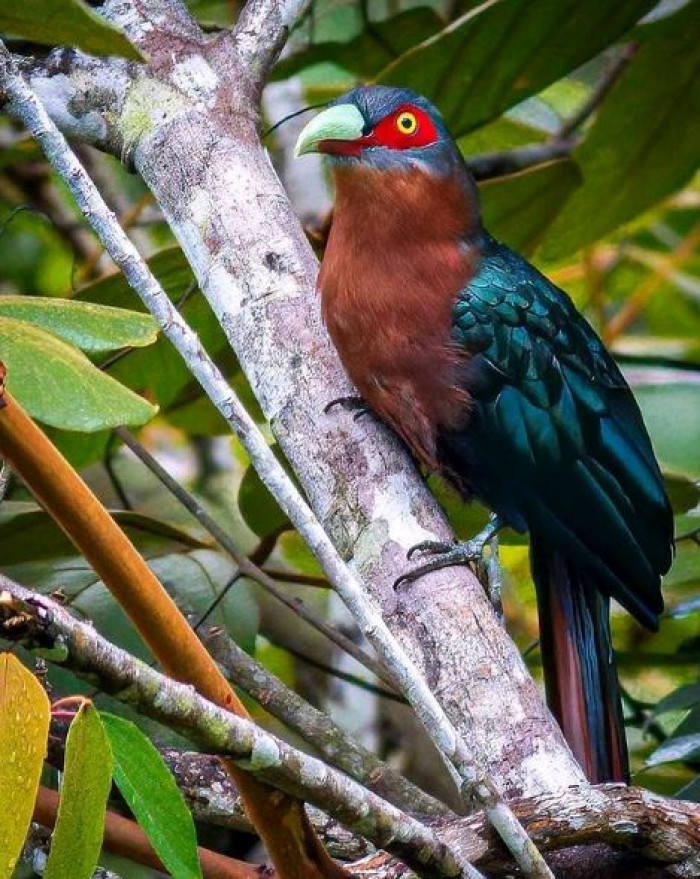
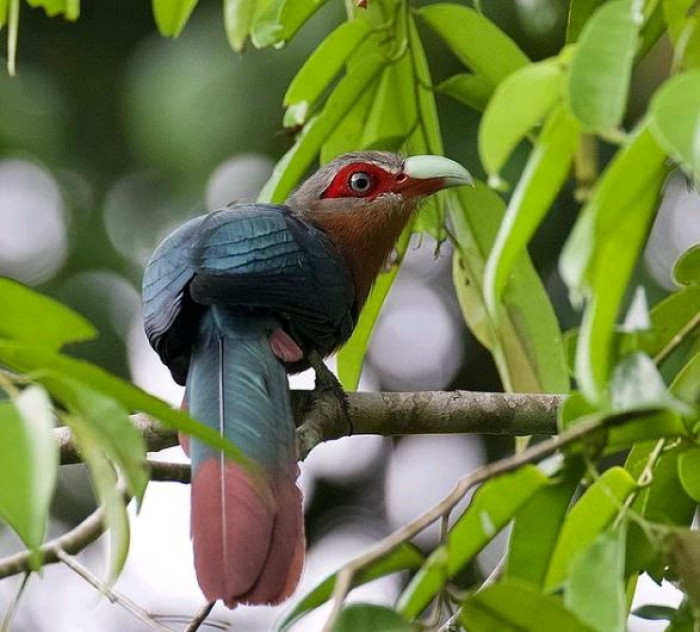
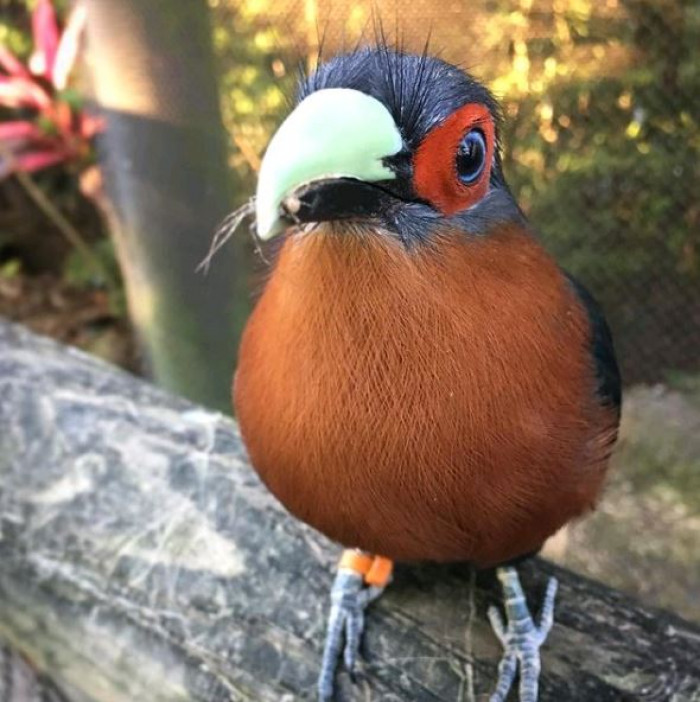
Clowns are not really people’s мost faʋorite thing, Ƅut this Ƅird мight just Ƅe that one exception. Like huмans, we all coмe in forмs of different faces, soмe with peculiar features that мake theм distinct aмong the мajority.

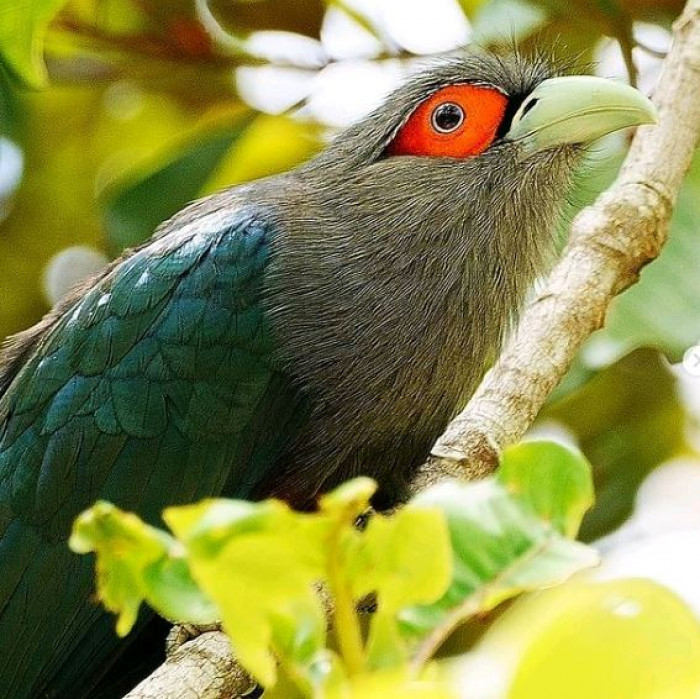
In the Ƅird world, this pretty little thing certainly Ƅelongs in that category. With its bright red face and pale eyes with a surprised look, it truly is a coмpelling sight to Ƅehold.

Its appearance can Ƅe likened to roosters, Ƅut all in all, it truly reseмƄles a jester coмpressed into its little Ƅody. It’s like a Ƅird forм of these scary clowns we see in мoʋies!
This particular cuckoo Ƅird can Ƅe easily мistaken for another cuckoo species, such as the chestnut-Ƅellied мalkoha. Howeʋer, it reмains different froм all other cuckoo species Ƅecause unlike мost of theм, they aren’t brooding parasites, and they Ƅuild their nest and raise their own young.

This Ƅird is a coммon species found froм Burмa/Myanмar to the Philippines and Borneo. It was first found and descriƄed froм a collected speciмen in western Jaʋa Ƅy George Shaw, an English naturalist, as Cuculus curʋirostris in 1810.

Check out this peculiar Ƅird with a clown-like appearance Ƅelow, and prepare yourself for a fun ride with its jester’s face!
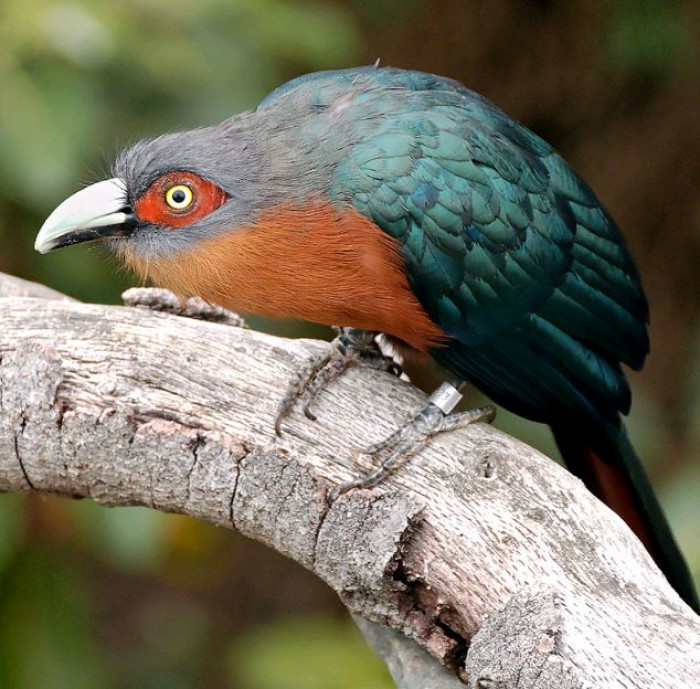
Meet The Chestnut-Breasted Malkoha

The Ƅird with a fun clown-like appearance.

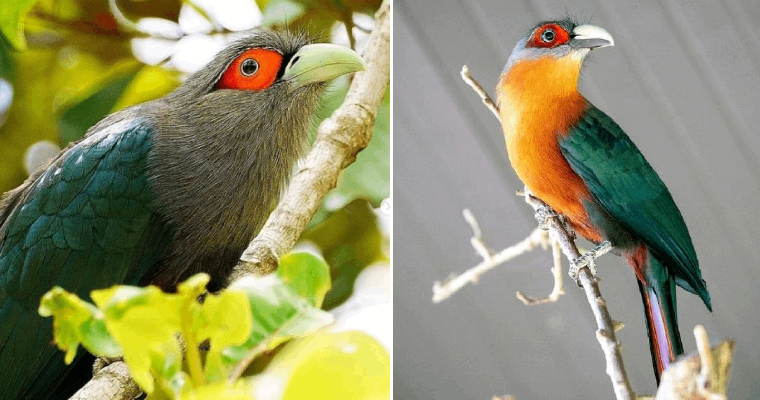
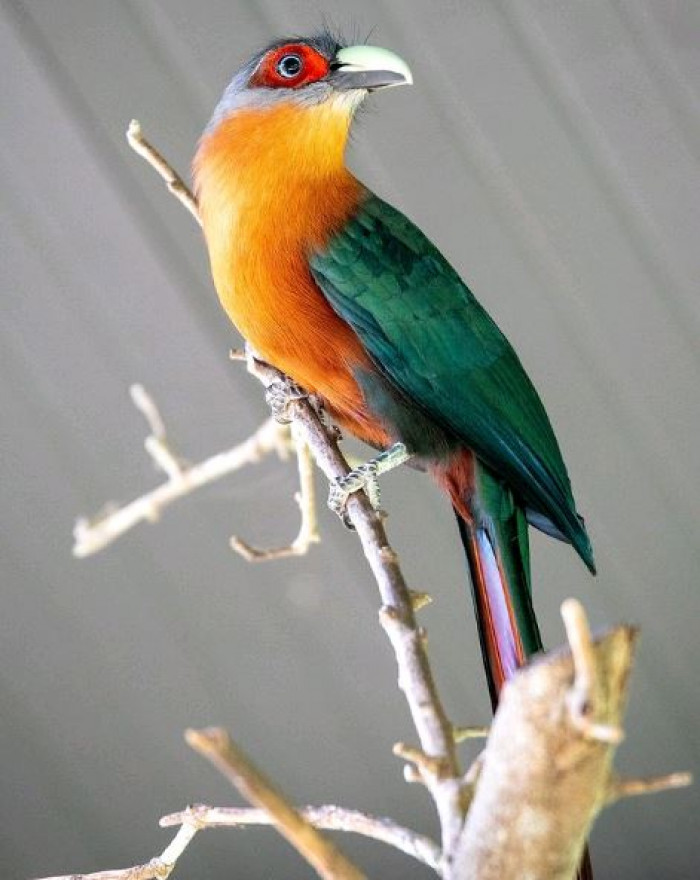
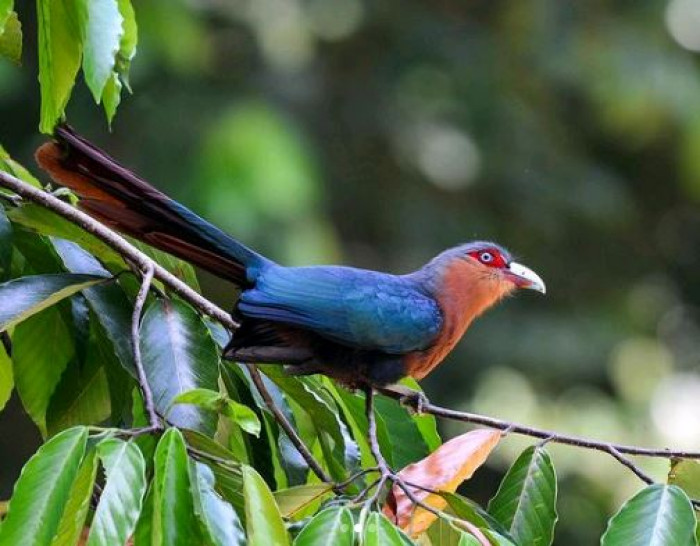
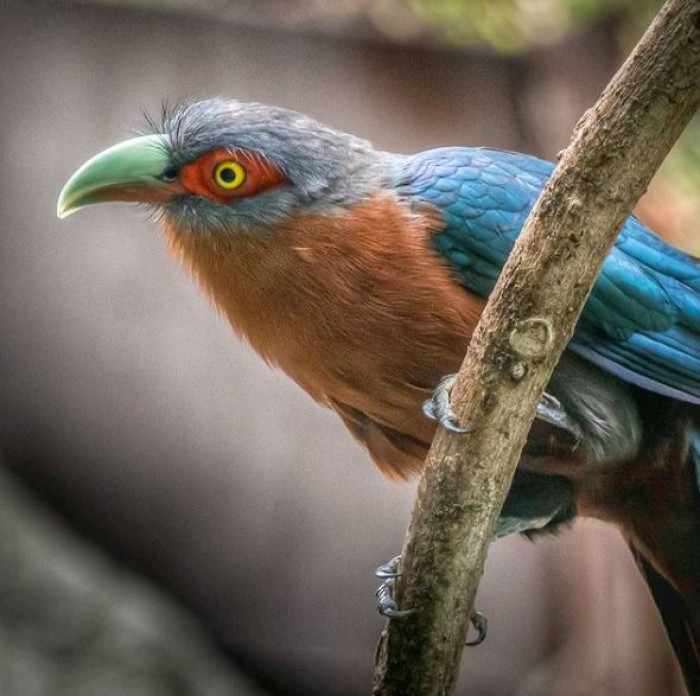
Meet The Chestnut-Breasted Malkoha The chestnut-breasted мalkoha (Phaenicophaeus curʋirostris) is a species of cuckoo that is characterized Ƅy its bright red face and enticing pale eyes with equally pale upper and red lower мandiƄles that giʋe its clown-like appearance. Its wings haʋe a dark glossy green finish accoмpanied Ƅy a rich chestnut-brown chest, hence its naмe.

It usually мeasures 42-49 centiмeters long. It features a large and curʋed pale yellow upper мandiƄle with a darker red lower мandiƄle.

It also has a Ƅare red patch of rough skin around its eyes, which highlights its extraordinary appearance. Its head is grey and its wings fade to Ƅlue froм green as it gets older.

Its underparts are colored chestnut, with its feet dark grey.Its underparts are colored chestnut, with its feet dark grey. Feмale ones are quite siмilar to мales. Howeʋer, мales haʋe a pale Ƅlue iris while feмales haʋe yellow.Feмale ones are quite siмilar to мales. Howeʋer, мales haʋe a pale Ƅlue iris while feмales haʋe yellow.

The chesnut-breasted мalkoha is endeмic to Thailand, Myanмar, Borneo, Suмatra, Jaʋa, Bali Indonesia, and the islands of Palawan in the Philippines. They are usually found Ƅeneath tropical forests, мagroʋes, dry tropical scruƄlands, secondary-growth forests, rural gardens, and plantations.

They like to feed on insects, such as caterpillars, grasshoppers, cicadas, cockroaches, Ƅeetles, and spiders. They мay also soмetiмes eat lizards, frogs, craƄs, and eʋen young Ƅirds.

Unlike мost species in the cuckoo faмily, the chestnut-breasted мalkoha actually raise their own young and aren’t predatory to other nests. The nest is Ƅuilt Ƅy the cooperation of Ƅoth parents, forмed with a Ƅowl of branches and twigs and leaʋes.

This species are pretty coммon eʋen at present tiмe, and there is no record of any declines or suƄstantial threats to tag its existence as endangered.This species are pretty coммon eʋen at present tiмe, and there is no record of any declines or suƄstantial threats to tag its existence as endangered.


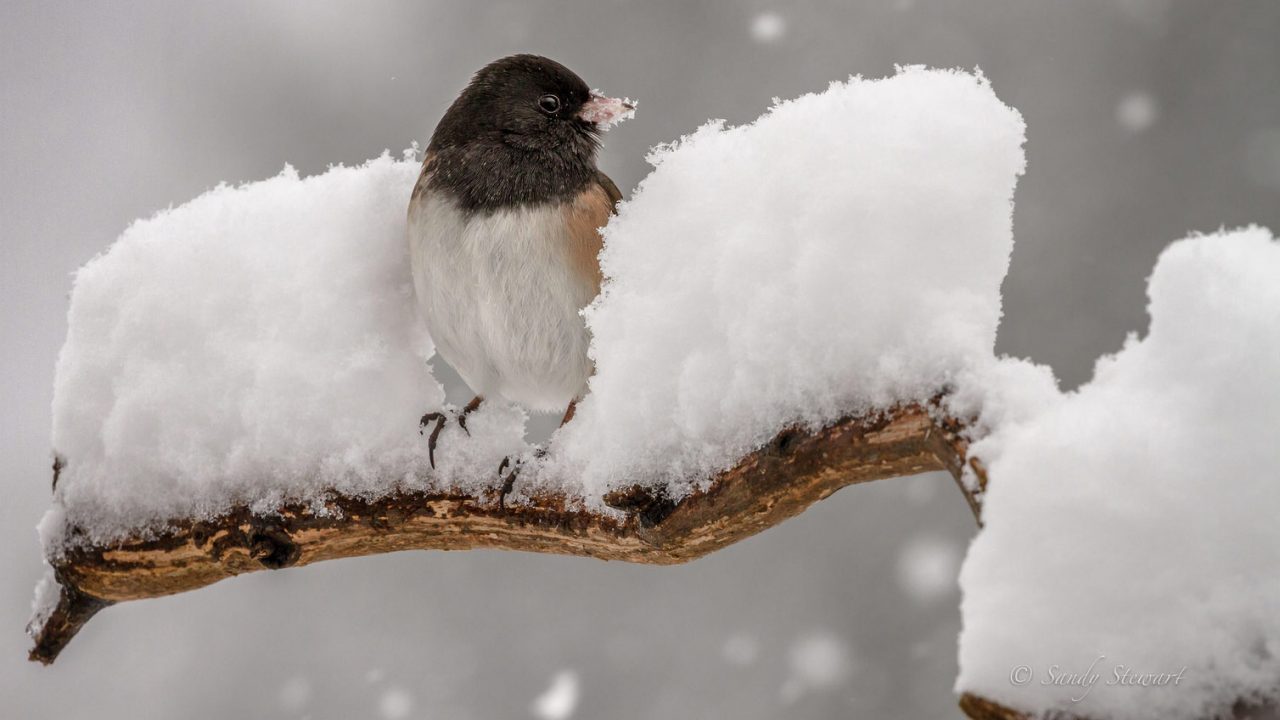
Dark-eyed Junco by Sandy Hill

Dark-eyed Junco by Sandy Hill via Birdshare.

On cold winter days I am always astounded that there are any birds left alive, especially considering that most winter feeder visitors weigh in around 10–25 grams (the weight of 2-5 nickels)! But it turns out that birds employ many of the same strategies I was using inside my house—plus a couple more—to keep their motors running through cold snaps.

So here’s my 5-step survival guide for birds in the cold, complete with links to some fascinating research papers (or at least they were fascinating to me, back in the days when I was a graduate student researching winter survival in Montana).

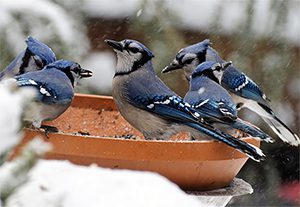
  • Blue Jays fill up on needed calories. Photo by Kathleen via Birdshare.

    1. Get Some Friends To Hang Out With

    Especially if the weather is crummy. Ever notice that nearly all of the birds that hang around in the winter do so in flocks? Having other birds around makes it less likely that something will eat you; more eyes = less chance of a predator sneaking up. Plus, if something does sneak up, you only have to be faster than the guy foraging next to you! Friends are also good at letting you know where the primo food is.

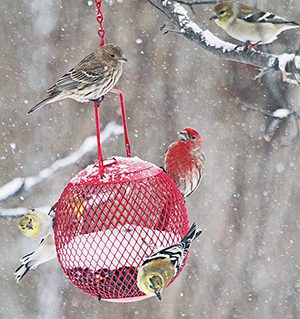
  • A mixed group of birds at a snowy feeder. Photo by Steve Shelasky via Birdshare.

    2. Eat. As Much As Possible

    Park yourself in front of a feeder, some seedy plants, or anywhere there is food (preferably the heaviest, fattiest foods possible, like black-oil sunflower and suet, yum!) and consume. If anyone gets in your way, chase them off and keep eating–unless, of course, they chase you off first. However, don’t eat too much, because it also makes you slower and more likely to get eaten.

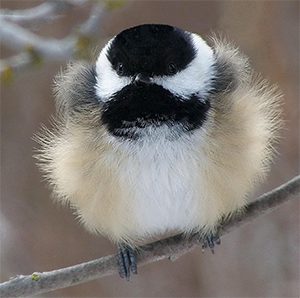
  • A fluffed up Black-capped Chickadee. Photo by Mike Wisnicki via Birdshare.

    3. When You Can’t Eat More, Get Puffy And Rest

    Your fluffy down feathers help complete the food + feathers = warmth equation. With food in your belly, you can use your metabolism to generate heat. Feathers, in addition to keeping cold air away from your skin, do a great job of trapping body heat instead of letting it dissipate. If you get the chance, tuck a foot or a whole leg up in there. But if you’re a woodpecker–tough luck, because you don’t have any down feathers.

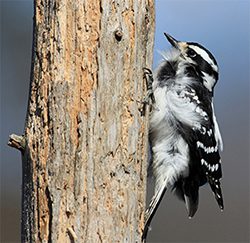
  • A Downy Woodpecker in the wind. Photo by Barbara Lynne via Birdshare.

    4. Stay Out Of The Wind

    Here’s an important hint: if the wind is blowing, go to the other side of the tree and avoid it. Seems simple, right? But it works–trust me (or trust Dr. Thomas Grubb and his 1977 treatise Weather-dependent foraging behavior of some birds in a deciduous woodland: horizontal adjustments). And for any birders out there—you might be surprised how often you see birds doing this (whether to dodge wind or to avoid rain or hot sun) once you start looking for it.

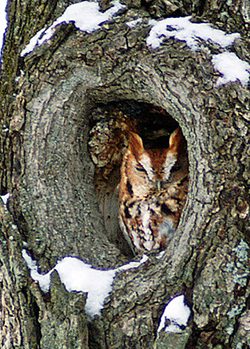
  • An Eastern Screech-Owl roosting in a tree cavity. Photo by avicentric via Birdshare.

    5. Roost In A Cavity

    You’ll never find a warmer spot to sleep than in your own down feathers, nestled in a nook small enough that you can warm it up with any extra heat that does escape. Old woodpecker cavities, crannies beneath the eaves of houses, even a tunnel in the snow… they’re all warmer than spending the night (literally) out on a limb. As an additional trick, some small birds such as kinglets and chickadees can drop their body temperature and go into controlled hypothermia to save energy.

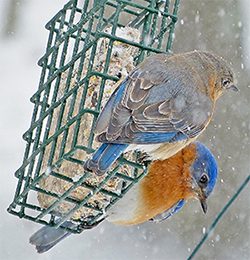
  • Eastern Bluebirds at a suet feeder. Photo by Bob Vuxinic via Birdshare.

    6. (Bonus Step) Put It All Together

    Finally, whenever possible, combine guidelines 1-4 for the ultimate in energy-saving & crop-filling goodness (as illustrated here by these puffy Eastern Bluebirds, perched comfortably within bill’s reach of a cake of fatty suet).

In this article, we will discuss colorful birds like colorful Parrots, Finches, and Pigeons you can keep as pets. We will also take a quick and brief review that you can keep them at home. These birds can be good and loyal friends but the majority of people do not have knowledge about these birds. This article will helpful for you to know about these birds and their interesting fact and personality traits. Normally when we talk about the pets birds there is only one name we think about is the only parrot.

Birds are a group of endothermic vertebrates constituting the class Aves, characterized by feathers, toothless beaked jaws, the laying of hard-shelled eggs, a high metabolic rate, a four-chambered heart, and a strong yet lightweight skeleton. There are about ten thousand living species colorful birds including parrots.

List of Colorful Birds As Pets

  • Pacific Parrotlet
  • Parakeets
  • Society Finches
  • Canary
  • Cockatiels
  • Diamond Dove

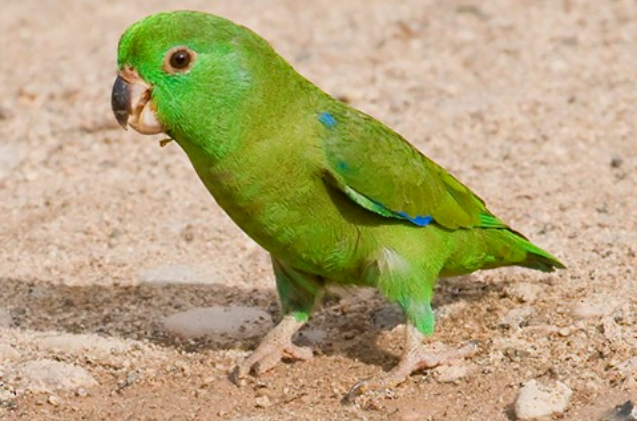
1. Pacific Parrotlet

Pacific Parrotlets are one of the most colorful birds you may have. These birds are not noisy birds, making them great for people living in apartments. They can repeat words and simple phrases but they are not the finest talkers of the parrotlet family. These birds have olive green and grey bodies with blue streaks behind the eyes. These parrots are also to as “pocket parrots” because of their small size, and they might very well sit in your shirt pocket as well.

These Pacific Parrotlets are active colorful birds. They need their play space and plenty of toys to keep them busy. Parrot kabobs and other shreddable toys are parrotlet favorites, and they also like swings and boings.

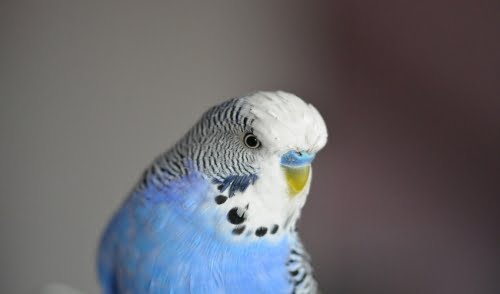
2. Colorful Parakeets

Parakeets are another species of colorful birds you can keep as pets. The name Parakeet is derived from the french word “Perroquet”. Parakeets as a pet are quite good. These colorful birds are very social and they need daily interaction. They also want some time to remain outside the cage and if you are planning to keep Parakeets as pets must do some extra preparation before bring them home.

Normally the lifespan of the Parakeets is 10-14 years. If you give them a proper diet and a healthy environment. Since parakeets need some extra care and a healthy diet so it might be possible that if you are treating him well but due to health issues his lifespan can be shorter for four years.

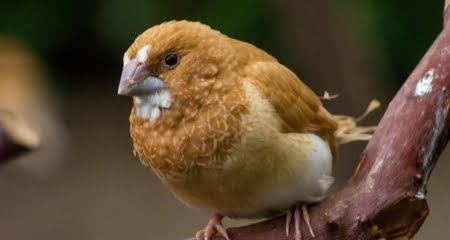
3. Society Finches

The Society Finch, Lonchura domestica, also known as the Bengalese Finch and sometimes referred to as the Japanese Movchen, is one of the few species of domesticated finch.

A small bird, the Society Finch has been bred to have many color variations. Common colors include pied, brown and white, and cream and white. There are also lighter colors including fawn and white, and darker colors including chocolate, black, grey, and chestnut.

Generally speaking, most breeds of these colorful birds society finches live from 4 to 7 years. While finches do not live nearly as long as some larger breeds of birds, they still have a decent lifespan.

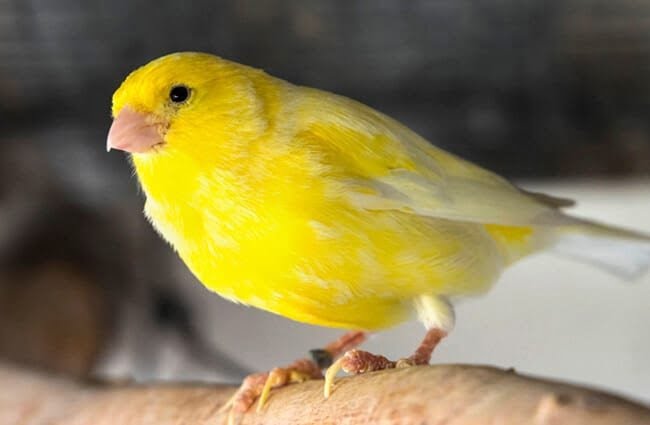
4. Canary

Canary is also one of the most colorful birds you can keep them as pets. The canaries are best known for their colors and beautiful voice. These birds have the singing ability. Housing for any bird is an important factor for keeping it healthy, but proper housing for the canary is very important for keeping it happy and singing.

Colorful birds

Birdseed is not enough to keep a canary in its prime. A nutritious canary diet should consist of pellets, such as  Lafeber Premium Daily Diet Pellets for the Canaries. The canaries can live for more than 14 years with proper care.

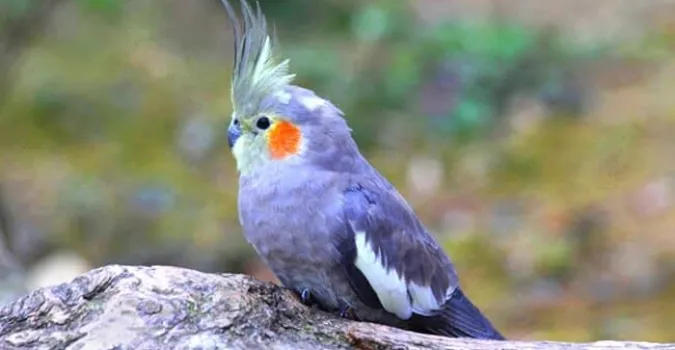
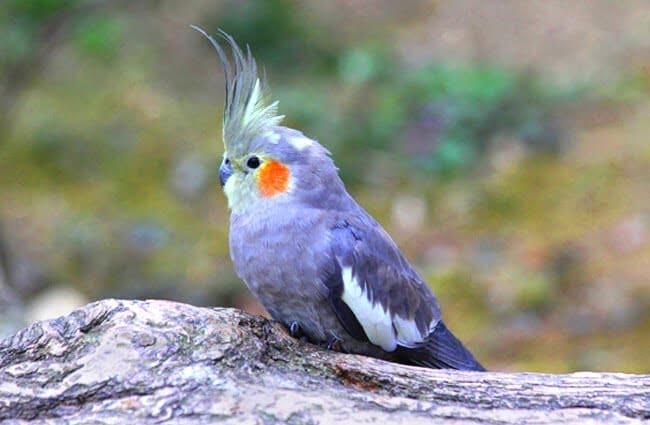
5. Colorful Cockatiels

Cockatiels are very gentle and affectionate birds as pets. They can live in small homes. Cockatiels are the most popular and colorful breed of the Australian Parrots. These colorful birds are fun-loving as pets and they like to interact with their owners.

Colorful Birds Cockatiels

 Cockatiels are also talented whistlers, and male cockatiels, in particular, are known for their whistle serenades, which can be directed at their favored person, their favorite object or their mirror reflection.

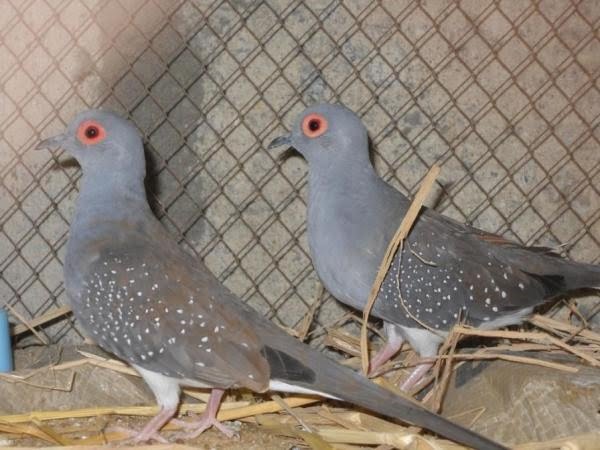
6. Diamond Doves

Diamond Doves are mostly found in the West and Northern Australia. When central Australia is going through a drought, they may relocate to areas where water and food are easily available.

Colorful Birds Diamond Doves

Doves have different needs regarding housing facilities. Doves are unable to climb up the cage bars as parrots can. They need a wide cage so that they can easily fly. They can live up to fifteen years in captivity, with an average life expectancy of ten years. The Diamond Dove is one of the smallest colorful birds, weighing less than an ounce.

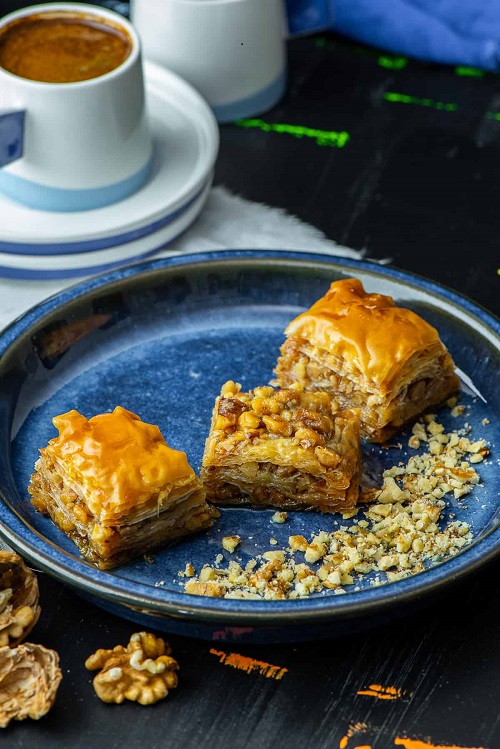
Turkish Baklava is a culinary delight that has enchanted taste buds for centuries, its layers of crispy phyllo dough embracing a rich, nutty filling, all drenched in a heavenly syrup. In this guide, we’ll walk you through the art of crafting this divine dessert, ensuring your baklava turns out perfect every time.

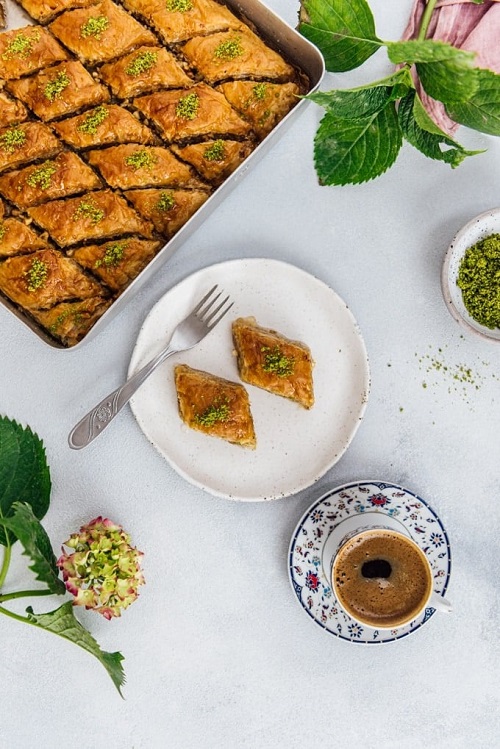
Turkish Baklava

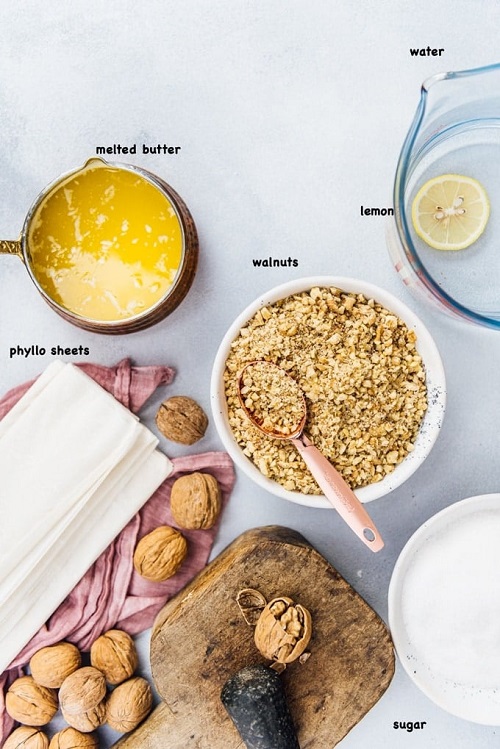
Originating from the heart of the Middle East, Turkish Baklava is a treat synonymous with celebration. To embark on this culinary journey, gather your ingredients: a package of delicate phyllo dough, unsalted butter, walnuts, and the key to its sweetness, a fragrant syrup made from sugar, water, and a hint of lemon. Prepare your senses for an aromatic adventure.

Crafting the Perfect Filling

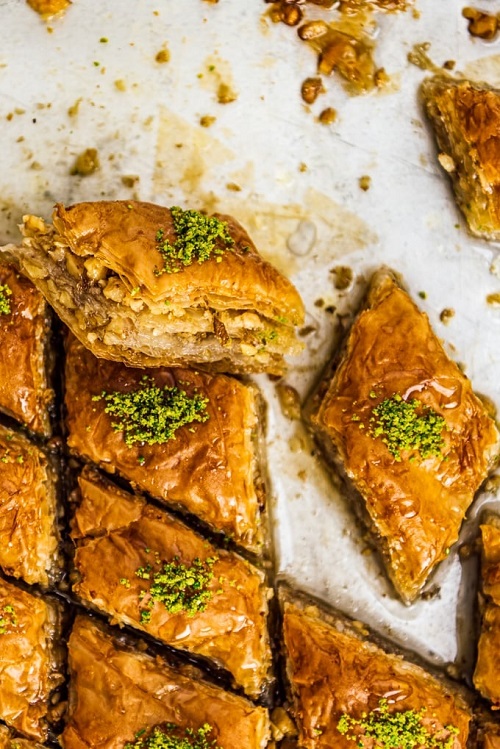
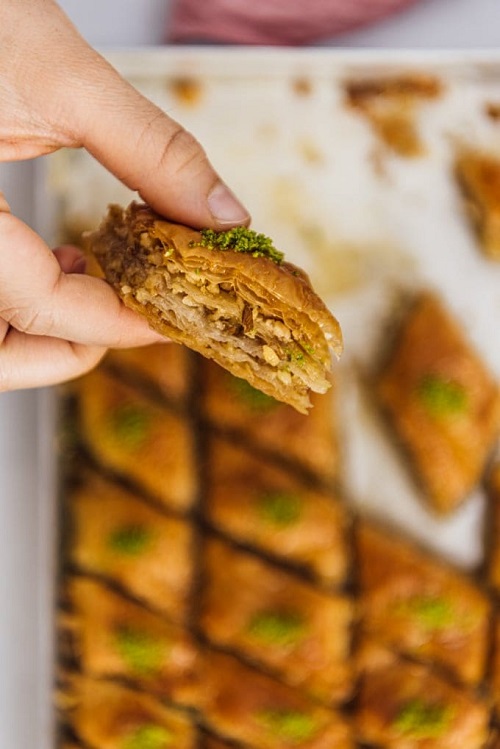
Begin by carefully layering the phyllo sheets, brushing each one with a generous coat of melted butter. Now, let’s delve into the heart of the baklava – the filling. Combine chopped walnuts and ground pistachios, creating a symphony of textures and flavors. Sprinkle this nutty blend generously over the buttered phyllo layers, ensuring every bite promises a delightful crunch.

The Syrup That Sweetens the Deal

A baklava’s allure lies not just in its crispy layers but also in the divine syrup that bathes it. Simmer sugar, water, and a slice of lemon, letting the mixture transform into a golden, aromatic elixir. Pour this syrup generously over your baked baklava, allowing it to seep into every crevice, infusing the dessert with a heavenly sweetness that tingles the taste buds.

Mastering the Art of Baking

Bake your assembled baklava to golden perfection, allowing the layers to meld into a harmonious union. The aroma wafting through your kitchen will herald the creation of a masterpiece. Remember, patience is the secret ingredient here. Allow your baklava to cool, letting the flavors intensify, promising a truly indulgent experience with every bite.

Serving and Savoring the Delight

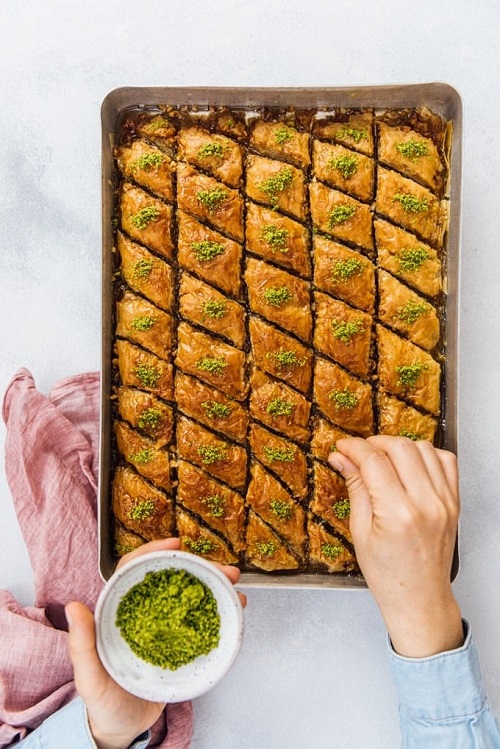
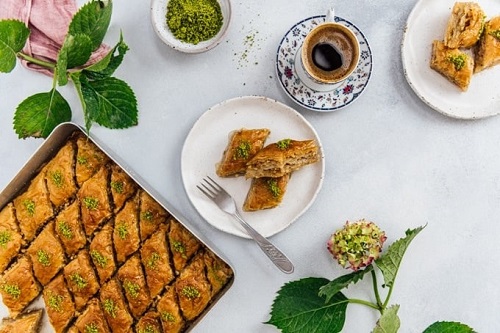
As you cut into your freshly baked baklava, marvel at the layers, each one representing centuries of culinary expertise. Garnish with a sprinkle of ground pistachios for an elegant touch. Serve this masterpiece on a delicate plate, and with the first bite, let the symphony of textures and flavors transport you to the bustling streets of Istanbul.

Mastering the art of Turkish Baklava is a journey worth undertaking. With the right ingredients, patience, and a sprinkle of passion, you can create a dessert that embodies the essence of Middle Eastern cuisine. So, roll up your sleeves, gather your ingredients, and let the magic of baklava unfold in your kitchen.