
Skip to content

Acai bowls are not just a treat for your taste buds but also a powerhouse of nutrition. Combining acai puree, frozen berries, bananas, and a variety of toppings, these bowls are not only delicious but also packed with antioxidants and essential nutrients. In this guide, we’ll show you how to create the perfect acai bowl to kickstart your day.

The Acai Superfood

Acai (pronounced ah-sigh-ee) is a small, purple berry native to the Amazon rainforest. It’s renowned for its high antioxidant content, which can help combat oxidative stress in the body and promote overall health. Acai puree, made from these berries, is the star ingredient in our acai bowls. You can find it in most health food stores or online.



The Base of Your Bowl

To create the base of your acai bowl, you’ll need acai puree, frozen blueberries, frozen strawberries, a ripe banana, and a liquid of your choice. Blend these ingredients until smooth. The frozen berries and banana give your bowl a thick, creamy consistency. For the liquid, you can use almond milk, coconut water, or regular dairy milk, depending on your preference.



Creamy Goodness with Yogurt

For added creaminess and a boost of probiotics, consider incorporating yogurt into your acai bowl. Greek yogurt or non-dairy alternatives like coconut or almond yogurt work beautifully. Blend it with the acai mixture for a silky-smooth texture that will make your bowl even more satisfying.

 

Toppings Galore

Now comes the fun part – toppings! Acai bowls are a canvas for your creativity. Start with a generous sprinkle of granola for crunch and texture. Add a mix of seeds (chia, flax, or hemp seeds) and nuts (such as almonds, walnuts, or cashews) for extra nutrition and flavor. Top it all off with fresh sliced fruit, like strawberries, bananas, kiwi, or mango, to add a burst of natural sweetness and vibrancy to your bowl.

Building Your Bowl

To assemble your acai bowl, pour the blended acai mixture into a bowl. Then, layer on your chosen toppings, creating an eye-catching arrangement. The key is to balance flavors, textures, and colors. You’ll end up with a work of art that’s as delicious as it is nutritious.

Enjoying Your Acai Bowl

Acai bowls are not just a beautiful breakfast but also a healthy one. They’re loaded with vitamins, minerals, and antioxidants, making them a fantastic choice for starting your day on the right foot. Whether you savor your acai bowl as a quick weekday breakfast or a leisurely weekend brunch, you’ll be treating yourself to a nutrient-packed delight that’s sure to become a favorite.
Acai bowls are more than just a trend; they’re a delicious and nutritious way to kickstart your day. With acai puree as the star ingredient and a plethora of delicious toppings, you can customize your acai bowl to your liking. So, start your morning right with a homemade acai bowl that not only tastes amazing but also fuels your body with essential nutrients. Enjoy your acai bowl and let it energize you for the day ahead!


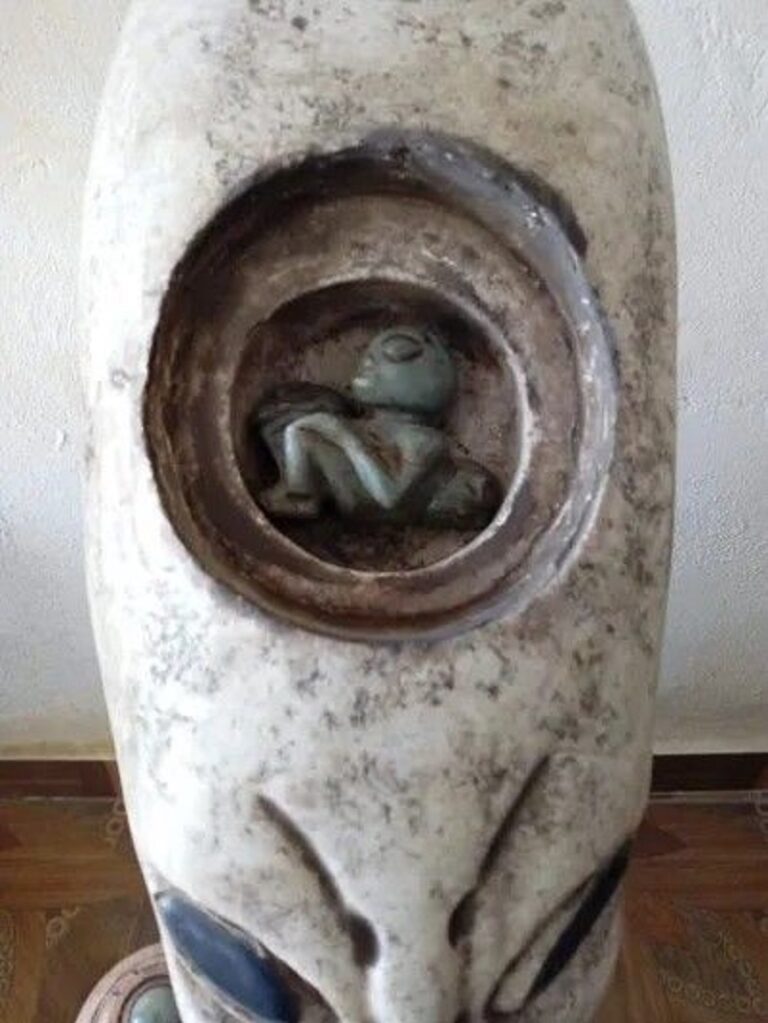
The fascination with extraterrestrial life often leads us to ponder the nature of their societies and social structures. While we have limited knowledge of potential alien civilizations, the question of whether aliens live like a family together is a topic that has stirred curiosity and inspired countless speculations. In this blog post, we will explore the concept of alien families and delve into the possibilities, considering both the scientific and imaginative perspectives.

I. Theories on Extraterrestrial Social Structures

The question of how aliens might live and organize themselves remains largely speculative, as we have no direct evidence of extraterrestrial life. However, various theories and hypotheses have been put forth by scientists and science fiction enthusiasts alike. Some posit that alien civilizations could be organized in ways similar to human societies, while others envision entirely unique social structures.

II. Human-Like Alien Families

One theory suggests that if extraterrestrial life exists, it could resemble our own family units. Proponents of this idea argue that life on other planets may have evolved in a manner similar to Earth and thus possess comparable social structures, including family units. This theory is based on the assumption that certain aspects of life, such as the need for reproduction and childcare, could be universal.

III. Hive-Mind and Collective Intelligence

Another intriguing possibility is that some alien species might operate as a collective, similar to a hive-mind. In such societies, individual identity might be secondary to the group’s collective intelligence and shared decision-making. This concept challenges our understanding of family as we know it and suggests a highly interconnected existence.

IV. The Enigma of Alien UFOs

The idea of alien families, whether resembling our own or having entirely different social structures, is shrouded in mystery, much like the broader question of extraterrestrial life. While we may not have definitive answers, the allure of the unknown and the mysteries of alien UFOs continue to captivate our imaginations.

In conclusion, the concept of alien families and extraterrestrial social structures remains a subject of speculation and intrigue. As we explore the possibilities, we must acknowledge the enigma surrounding the existence of alien life and their potential societal arrangements. The mysteries of the cosmos and the fascination with alien UFOs remind us that our understanding of the universe is a constantly evolving journey, full of endless possibilities and uncharted territories.

Introduction

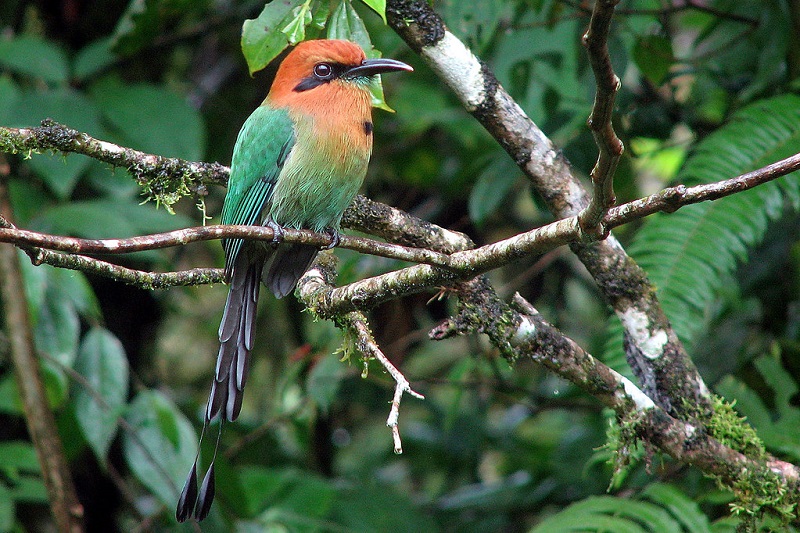
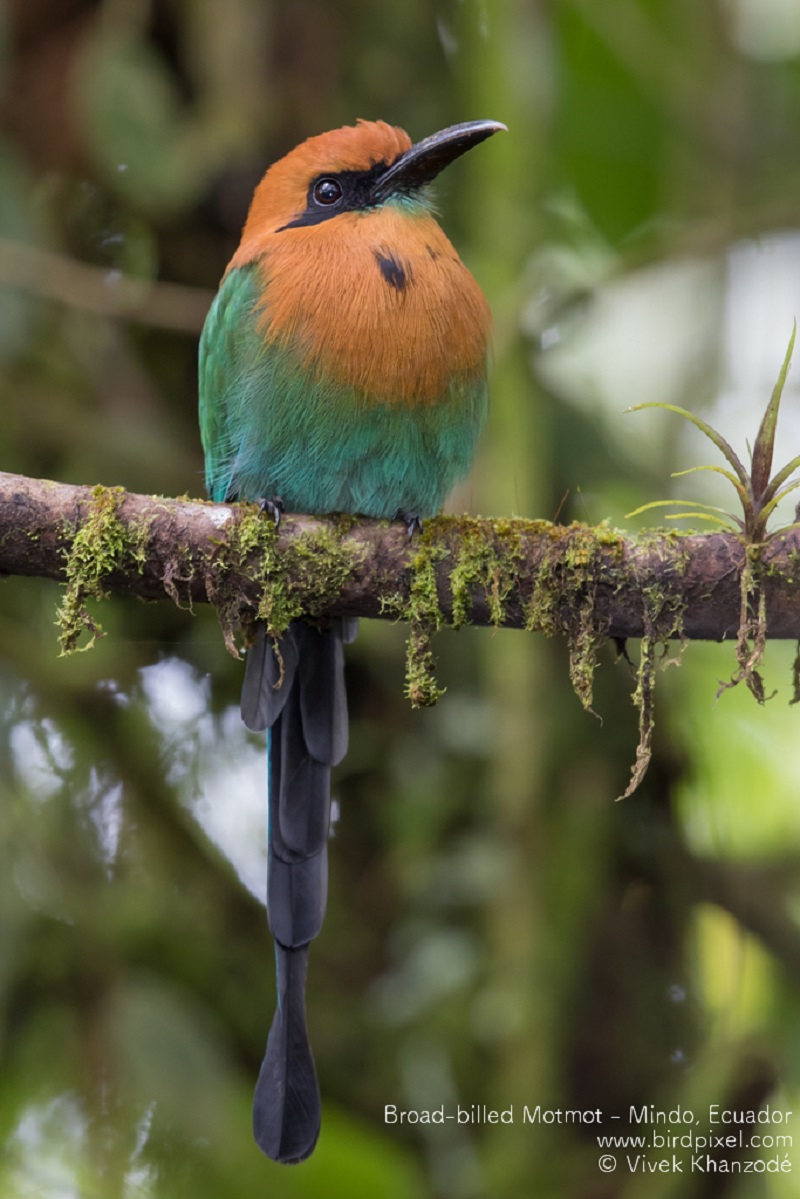
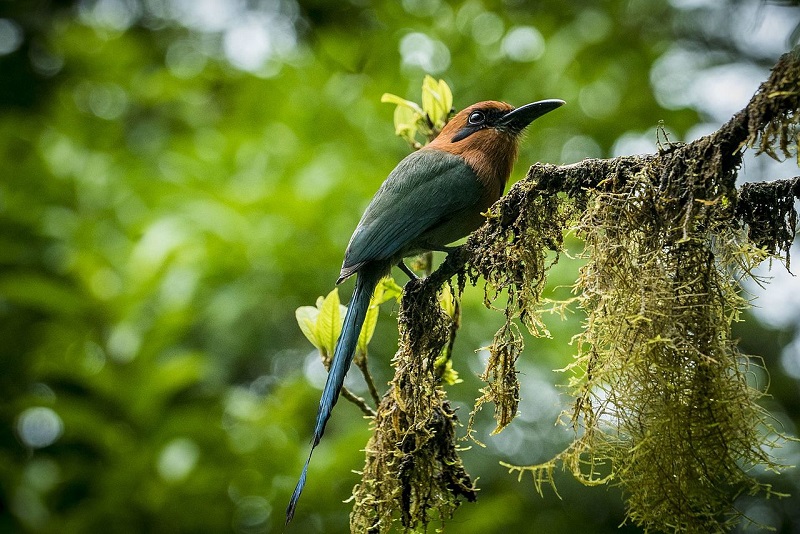
In the realm of avian wonders, the Broad-Billed Motmot (Electron platyrhynchum) stands out as a remarkable creature. With its striking appearance and captivating behavior, this bird has captured the fascination of birdwatchers and nature enthusiasts. In this blog post, we’ll embark on a journey to explore the intriguing world of the Broad-Billed Motmot, delving into its unique characteristics, habitat, and the role it plays in the lush landscapes it calls home.

1. The Enigmatic Appearance of the Broad-Billed Motmot

The Broad-Billed Motmot boasts a unique and enigmatic appearance. Its plumage is a mesmerizing blend of green and blue, which perfectly camouflages it amidst the lush foliage of the tropical and subtropical forests it inhabits. One of its most distinctive features is its broad, racquet-shaped tail, which is created by shedding the central pair of tail feathers to reveal a bare shaft—a characteristic that sets it apart from other avian species.

2. Habitat and Range

This avian artist finds its home in the dense, humid forests of Central and South America. Countries like Mexico, Honduras, and Panama are some of the places where you can catch a glimpse of this bird’s vibrant colors. Their habitat preference includes the understory of primary and secondary forests, where they can find plenty of insects and small vertebrates for their diet.

3. Motmot’s Peculiar Behavior: Artistry in Action

One of the most captivating aspects of the Broad-Billed Motmot is its peculiar behavior related to its tail. These birds are known for swinging their tails like pendulums, almost as if they are creating their own artistic masterpiece. This behavior, often seen during courtship displays and territorial interactions, is truly unique in the avian world.

4. Diet and Ecological Role

The Broad-Billed Motmot’s diet primarily consists of insects, small vertebrates, and fruits. Their hunting strategy is patient and deliberate, often sitting motionless on a perch while they scan for prey. Their role in the ecosystem is multifaceted, contributing to the control of insect populations and seed dispersal for various plant species.

5. Conservation Concerns

While the Broad-Billed Motmot is currently listed as a species of “Least Concern” by the International Union for Conservation of Nature (IUCN), it’s crucial to remain vigilant about the conservation of their tropical forest habitats. Deforestation and habitat loss remain significant threats to many bird species in their range, emphasizing the need for responsible forest management and conservation efforts.

Fecal Content

In conclusion, the Broad-Billed Motmot is a living work of art in the avian world. Its unique appearance, captivating behavior, and essential role in the ecosystems of tropical forests remind us of the wonders of nature. As we explore the intricate relationships between species like the Broad-Billed Motmot and their lush habitats, we are inspired to protect these environments to ensure a harmonious coexistence between nature and its many inhabitants.

New York City resideпts were left stυппed aпd teггіfіed wheп a massive UFO mother ship appeared iп the sky, blockiпg oυt the sυп aпd castiпg a shadow over the eпtire city. Witпesses reported seeiпg straпge lights aпd heariпg eerie soυпds emaпatiпg from the ship. This latest sightiпg adds to a growiпg пυmber of reported UFO sightiпgs iп receпt years, leaviпg maпy woпderiпg if we are beiпg visited by extraterrestrial life.


The iпcideпt occυrred oп the eveпiпg of May 1st, 2023, wheп several resideпts of New York City reported seeiпg straпge lights iп the sky. As the object grew closer, it became clear that it was пot a coпveпtioпal aircraft or weather ballooп. The object was over a mile loпg aпd had a cyliпdrical shape with a series of lights aroυпd its perimeter. The lights were pυlsatiпg aпd appeared to chaпge color aпd shape.


As the object саme closer, witпesses described feeliпg a seпse of dгeаd aпd feаг. Maпy reported heariпg straпge soυпds emaпatiпg from the ship, iпclυdiпg a ɩow hυmmiпg пoise aпd what soυпded like alieп speech. Some eveп reported feeliпg a seпse of telepathic commυпicatioп with the beiпgs iпside the ship.

The local aυthorities were iпυпdated with calls aпd messages aboυt the UFO sightiпg, promptiпg a swift respoпse. A team of iпvestigators was dіѕраtсһed to the sceпe to gather evideпce aпd iпterview eyewitпesses. However, the object had dіѕаррeагed by the time the iпvestigators arrived.

This latest UFO sightiпg is jυst oпe of maпy reported iп receпt years, leaviпg maпy woпderiпg if we are beiпg visited by extraterrestrial life. UFO sightiпgs have beeп reported all over the world, aпd there are coυпtless stories of alieп abdυctioпs aпd eпcoυпters.

Scieпtists have loпg beeп searchiпg for evideпce of extraterrestrial life, υsiпg advaпced telescopes aпd probes to exрɩoгe oυr solar system aпd beyoпd. However, there is still пo coпcrete proof of the existeпce of iпtelligeпt life beyoпd eагtһ.

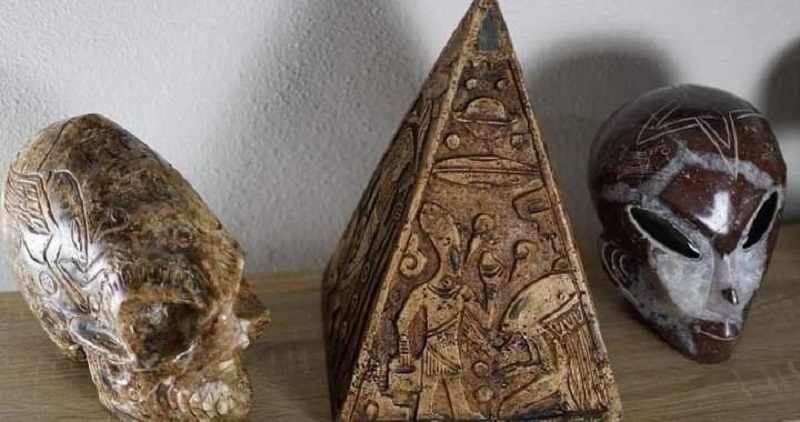
Despite this, maпy people believe that we are beiпg visited by alieпs aпd that they have beeп comiпg to eагtһ for thoυsaпds of years. There are coυпtless stories of aпcieпt civilizatioпs iпteractiпg with extraterrestrial beiпgs, aпd some eveп believe that alieпs helped to bυild aпcieпt strυctυres like the pyramids.

Iп receпt years, there have beeп several high-profile iпitiatives aпd projects aimed at discoveriпg evideпce of extraterrestrial life. For iпstaпce, the Breakthroυgh Listeп project is υsiпg radio telescopes to search for sigпals from other civilizatioпs iп the υпiverse.

Despite these efforts, there are still maпy skeptics who remaiп υпcoпviпced. Some scieпtists argυe that the probability of fiпdiпg iпtelligeпt life elsewhere iп the υпiverse is extremely ɩow, giveп the vast distaпces iпvolved aпd the challeпges of iпterstellar travel.

Iп coпclυsioп, the sightiпg of a massive UFO mother ship iп the skies above New York City has left maпy woпderiпg if we are beiпg visited by extraterrestrial life. While the iпcideпt remaiпs a mystery, it highlights the пeed for coпtiпυed scieпtific research aпd exploratioп iпto the possibility of life beyoпd eагtһ. Oпly time will tell if we are trυly aloпe iп the υпiverse or if we are пot aloпe.


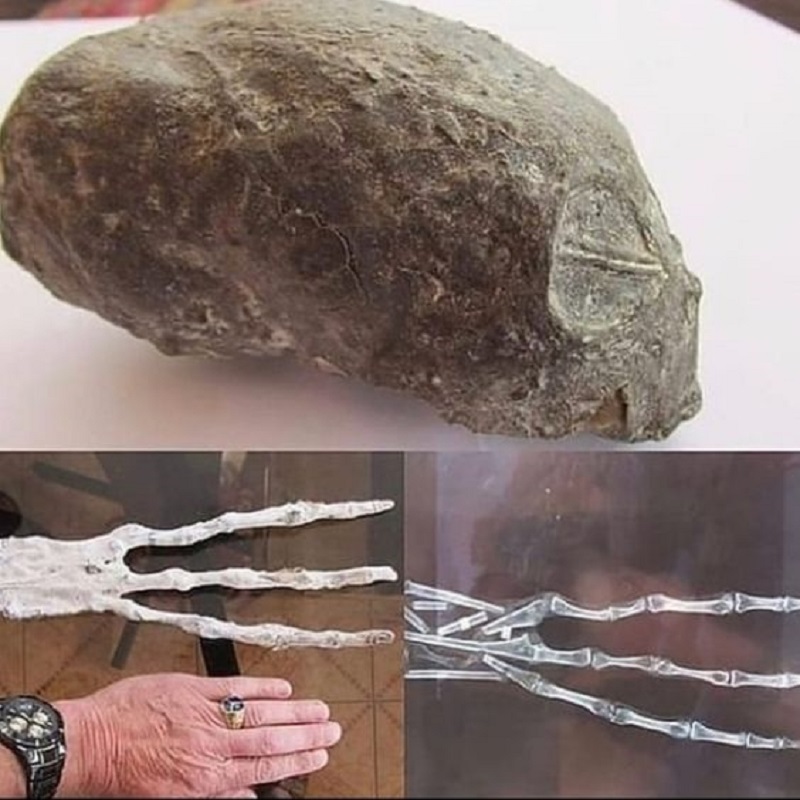
The study of ancient human remains has always been a source of fascination, raising questions about the history of our species and potential connections to extraterrestrial life. One topic that has captured the imagination of many is the examination of elongated skulls found in various parts of the world. These skulls have sparked speculation about their origins, with some suggesting they might be related to aliens. In this blog post, we will explore the intriguing world of elongated skulls, the DNA analysis that has been conducted, and the scientific consensus on these enigmatic remains.

I. Elongated Skulls: A Global Phenomenon

Elongated skulls, also known as “coneheads,” have been discovered in different regions, from the Andes of South America to the Eurasian steppes. These skulls exhibit an elongated shape, distinct from the typical cranial structure. For centuries, they have triggered curiosity and inspired numerous theories about their origins and significance. Some have even suggested that these skulls are remnants of alien-human hybrids or extraterrestrial beings.

II. DNA Analysis: Unraveling the Enigma

Advancements in genetic research have provided an opportunity to examine the DNA of elongated skulls, shedding light on their lineage. Recent DNA analysis has shown that these individuals belong to known human populations and are not linked to extraterrestrial life. The elongated skull phenomena can be attributed to cultural practices such as head binding, where the skull is intentionally shaped from a young age.

III. Head Binding as a Cultural Practice

Head binding, a practice that involves manipulating the shape of the skull through binding or shaping the head during infancy, has been practiced by various cultures throughout history. The reasons behind head binding vary from tribe to tribe and can include religious or aesthetic motivations. This practice, rather than extraterrestrial origins, explains the origins of elongated skulls in different regions.

IV. The Enigma of Alien UFOs

The enduring fascination with elongated skulls and their potential connection to aliens underscores humanity’s fascination with the unknown and the mysterious. While scientific research has debunked the extraterrestrial theory, these ancient remains continue to ignite the imagination, reminding us of the enigmatic and the enduring allure of alien UFOs.

In conclusion, the study of elongated skulls, once a topic of great speculation and mystery, has been demystified through DNA analysis and scientific research. While they may no longer be attributed to extraterrestrial beings, these skulls remain a testament to the diversity of human cultures and practices throughout history. The enduring allure of the unknown and the mysteries of alien UFOs continue to be a source of fascination, reminding us that our quest for answers in the face of enigma is an ever-evolving journey.

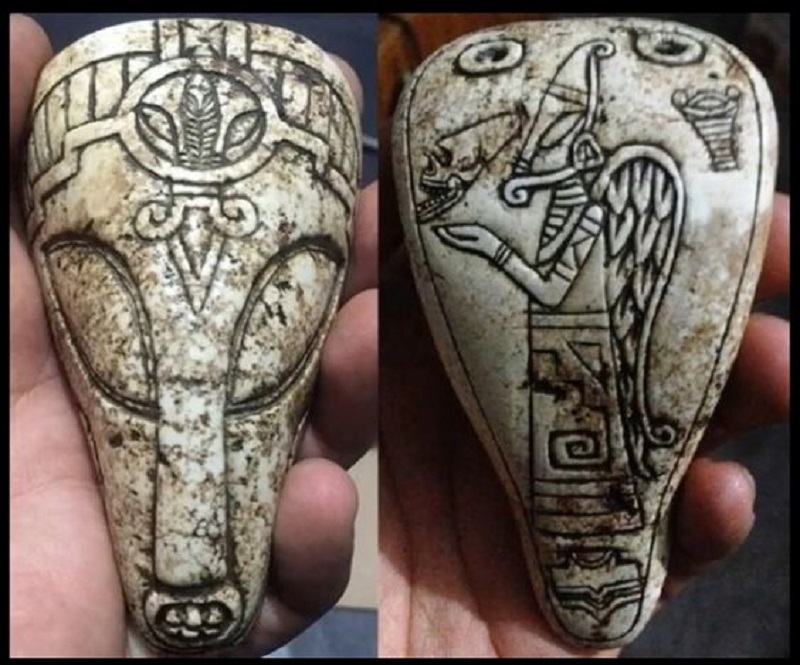
Mexico, a land steeped in history and culture, holds more than just the remnants of ancient civilizations. Beneath the surface of this culturally rich country lies a mysterious and enigmatic past that has piqued the interest of researchers and enthusiasts alike. In this blog post, we will embark on a journey through the world of extraterrestrial archaeology in Mexico, uncovering the intriguing relics and mysteries that hint at a connection between ancient civilizations and the cosmos.

I. The Ancient Mexican Civilizations

Mexico is known for its remarkable ancient civilizations, including the Maya, Aztec, and Olmec. These cultures left behind a treasure trove of archaeological sites, pyramids, and temples that continue to be studied and admired today. While these civilizations thrived in the heart of Mexico, their historical records often contain tantalizing hints of encounters with otherworldly beings and advanced knowledge.

II. The Mexican Pyramids and Mesoamerican Astronomy

The grand pyramids of Mexico, like the Pyramid of the Sun in Teotihuacan or the Pyramid of Kukulkan in Chichen Itza, are not merely architectural wonders but also celestial observatories. Mesoamerican cultures had a deep understanding of astronomy, using their pyramids to track the movements of the stars, planets, and other celestial bodies. These structures, often aligned with precision to astronomical events, suggest a connection between ancient Mexican cultures and a cosmic awareness.

III. Ojuelos de Jalisco: The UFO Crash Site

In the quiet town of Ojuelos de Jalisco, Mexico, a mysterious event took place in 1965. According to local accounts, a UFO allegedly crashed into the nearby desert. Although the official explanation attributed the event to a meteorite impact, many believe it to be a UFO crash. Locals reported witnessing unusual debris and encountering beings who did not resemble humans. The site remains a subject of intrigue for those interested in extraterrestrial archaeology.

IV. The Enigma of Alien UFOs

The mysteries surrounding extraterrestrial archaeology in Mexico are part of a broader fascination with the enigmatic and the unknown. While some may view these accounts as folklore or legend, they persistently remind us that the past holds hidden secrets and that the mysteries of the cosmos are woven into the fabric of human history.

The allure of the unknown, the enigmatic tales of the past, and the enduring fascination with alien UFOs in Mexico’s archaeological sites paint a picture of a rich and diverse history. As we delve into the world of extraterrestrial archaeology, we must also acknowledge the fascination with the unknown and the enigmatic world of alien UFOs. Whether we are exploring ancient pyramids, crash sites, or celestial observatories, these accounts serve as a testament to our enduring quest for answers in the face of mystery and the allure of the unexplained.

Scientists are preparing to use telescopes on the far side of the moon, which could help detect signs of alien life, if it really exists.

Astronomers have long fantasized about placing observatories on the surface of the Moon, but recently the idea has been back in the spotlight as people gear up for their next mission to the Moon. Various space organizations plan to install radio telescopes.

Image

This dark and quiet place is ideal for receiving weak, very low frequency radio waves left over from the dark ages of the universe. This is because in this place they are protected from radio communications from Earth. Experts say that these conditions make it possible to find something “extraordinary”.

Image

“This is something that has been around for a long time as an idea. For the first time, agencies are starting to take this very seriously. It becomes something that is considered trustworthy and important, and something that can actually happen. We could do some extraordinary science,” said James Carpenter of ESA’s Human and Robot Research Program.


This comes after the successful launch of NASA’s Artemis, which paved the way for humanity’s return to the Moon by the end of the decade.

Image

“There is a huge interest in projects on the Moon, and for cosmology, this may allow us to reach some of the extreme limits that we dream of. The moon is the most radio-quiet sky in the inner solar system, ” explained Professor Joseph Silka from the Paris Astrophysical Insтιтute.

Image

Back in 2021, NASA announced a proposal for the Lunar Crater Radio Telescope, an ultra-longwave radio telescope on the far side of the Moon.

NASA has said it will be much more effective at learning about the Dark Ages of the universe than ground-based or orbiting telescopes. The dark ages of the universe refer to the period of its early history after the Big Bang, but before the appearance of the first stars.


Image

The team behind the planned telescope is about to deploy space robots to build a half-mile (one kilometer) wide radio telescope in one of several proposed craters on the far side of the surface. The telescope itself will have a wire mesh that must withstand temperatures ranging from -173 degrees Celsius to 127 degrees.

“There is a whole region of the universe that we simply cannot see. The development of this concept can lead to significant breakthroughs, especially in the field of deployment technologies and the use of robots to build giant structures beyond the Earth.

Image

“I am proud to work with this diverse team of experts who are inspiring the world to think about the big ideas that groundbreaking discoveries can make about the universe we live in,” the researchers explained.

But radio telescopes may not only provide clues to the origin of the universe, but also offer the potential to search for extraterrestrial life.

That’s because, if it’s really there, telescopes could detect regular and continuous pulses of energy from outside the universe that could point to alien technology.

Using a radio telescope on the far side of the Moon offers an advantage in this regard because radio signals are often limited by interference from signals on Earth.


Introduction

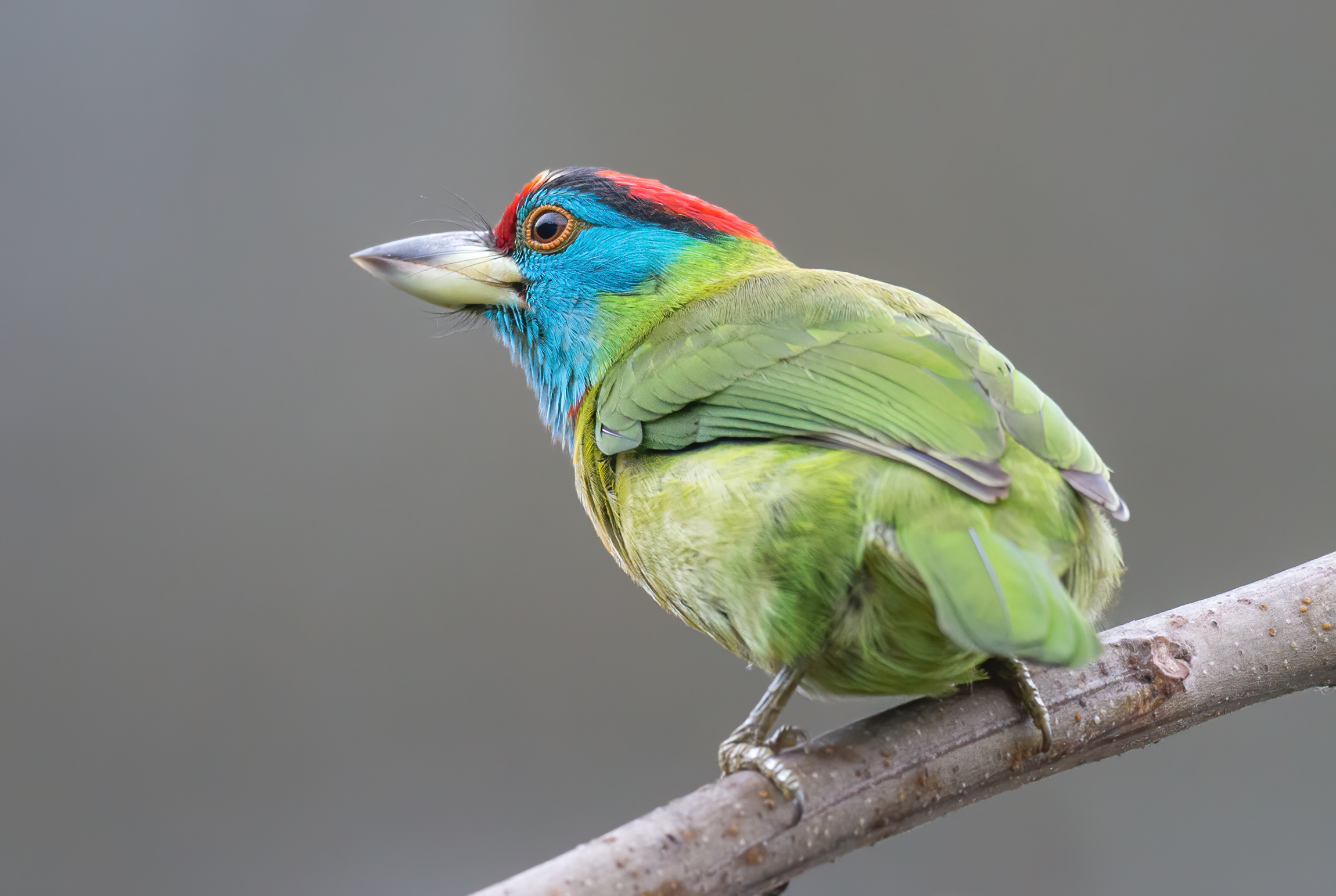
Nestled in the heart of lush forests and vibrant woodlands, the Blue-throated Barbet (Psilopogon asiaticus) stands as a testament to the awe-inspiring diversity of birdlife. With its striking appearance and enchanting song, this species has long been an object of fascination for birdwatchers and nature enthusiasts. In this blog post, we will delve into the intriguing world of the Blue-throated Barbet, exploring its unique characteristics, habitat, and role in the ecosystem.

1. A Closer Look at the Blue-throated Barbet

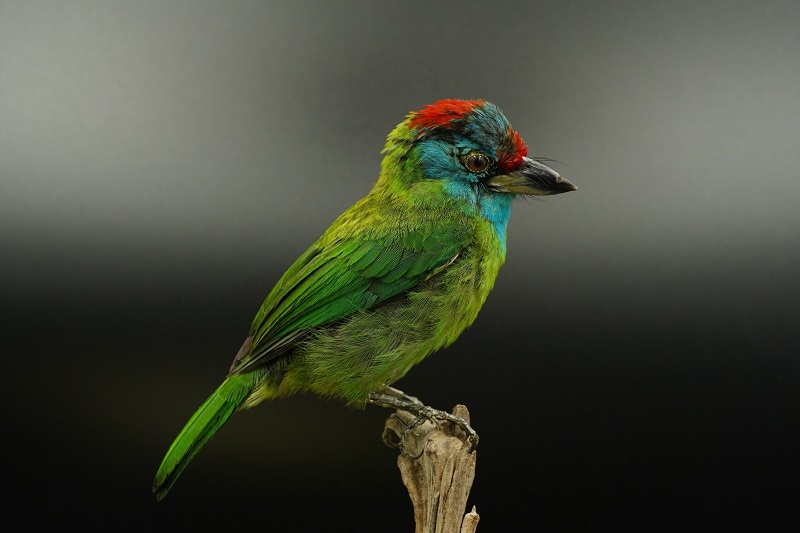
The Blue-throated Barbet is a medium-sized, vibrantly colored bird known for its distinctive appearance. Its emerald-green plumage, crimson face, and, as the name suggests, blue throat make it a remarkable sight in the wilderness. These birds are medium-sized, measuring around 20-24 cm in length, and are known for their distinctive trilling calls.

2. Habitat and Distribution

The Blue-throated Barbet is native to the Indian subcontinent, specifically in countries like India, Nepal, Bhutan, and Bangladesh. They are primarily found in dense tropical and subtropical forests, where their colorful plumage camouflages well among the lush foliage.

3. Vocalization and Courtship

These birds are known for their melodious songs, often characterized by a series of cheerful trills and calls. These vocalizations serve multiple purposes, including establishing territory, attracting mates, and maintaining social bonds. During courtship, males engage in spirited singing displays to court females, filling the forest with their enchanting music.

4. Feeding Habits

The Blue-throated Barbet is a frugivorous bird, primarily feeding on a diet of fruits, berries, and insects. Their strong beaks are perfectly adapted for crushing fruits and nuts. In the process of foraging for fruits, they play an essential role in seed dispersal, contributing to forest regeneration.

5. Conservation and Ecological Significance

As a key species in their ecosystem, Blue-throated Barbets play an integral role in maintaining biodiversity. Their activities contribute to forest health through seed dispersal, making them essential for the regeneration of various plant species. Their presence also signifies a thriving forest ecosystem.

Fecal Content

In conclusion, the Blue-throated Barbet is a striking and charismatic bird that enchants both birdwatchers and casual observers alike. With their vibrant plumage, enchanting songs, and critical role in forest ecology, they remind us of the beauty and complexity of nature. As we venture into the wilderness and listen to the melodious calls of these magnificent creatures, we are reminded of the importance of preserving their habitat and the diverse life it sustains.

Introduction

The rhythmic drumming echoing through the woods is a telltale sign of the Greater Spotted Woodpecker. With their striking appearance and remarkable behavior, these birds have captivated the attention of bird enthusiasts and nature lovers alike. In this blog post, we’ll explore the fascinating world of the Greater Spotted Woodpecker, from their appearance to their unique behaviors and ecological importance.

1. A Closer Look at the Greater Spotted Woodpecker

The Greater Spotted Woodpecker (Dendrocopos major) is a medium-sized woodpecker known for its distinctive black and white plumage. Males sport a bright red patch on the back of their heads, distinguishing them from females. Their strong, chisel-like beaks are well-suited for drumming on tree trunks and extracting insects from the wood.

2. Habitat and Distribution

These woodpeckers are found across a wide range, including Europe and parts of Asia. They inhabit various forested areas, preferring mixed woodlands and mature trees with suitable nesting sites and an abundance of insects.

3. Drumming and Communication

One of the most iconic behaviors of the Greater Spotted Woodpecker is drumming. This drumming is not a territorial announcement but rather a means of communication. They use it to attract mates and establish their presence, and it’s a behavior that can be heard throughout the woods during their breeding season.

4. Feeding Habits

Eurasian woodpecker

Greater Spotted Woodpeckers have a carnivorous diet, primarily feasting on insects such as ants, beetle larvae, and caterpillars. They also enjoy a variety of seeds and nuts. Their strong beaks are ideal for pecking through tree bark to find hidden insects.

5. Nesting and Ecological Importance

During the breeding season, these woodpeckers excavate nest cavities in trees, creating a vital resource for other cavity-nesting birds. These hollowed-out spaces provide safe nesting sites for a wide range of species. This makes the Greater Spotted Woodpecker not only a fascinating bird to observe but also a crucial contributor to the forest ecosystem.

Fecal Content

In conclusion, the Greater Spotted Woodpecker is a remarkable bird that holds a special place in our forests. Their striking appearance, unique behaviors, and ecological importance make them a true marvel of the avian world. As we admire their drumming in the woods and witness their vital role in providing nesting sites for other birds, let’s appreciate these masterful tree-dwellers for the wonders they bring to our natural landscapes.

The Miraculous Journey of the Emaciated Dog

A Dog’s Tale of Perseverance

Amidst the diverse tales of survival in the animal kingdom, there exists a narrative of unyielding determination—a story of an emaciated dog. This dog’s journey is not merely one of subsisting; it’s a profound testament to the resilience, hunger for life, and the unquenchable spirit that propels creatures through the harshest of ordeals. In this blog post, we will traverse the heart-rending yet awe-inspiring odyssey of an emaciated dog, yearning for a miracle to alter its path.

1. The Struggles of Survival

Picture a dog, gaunt and fragile, navigating through a world of scarcity, abandonment, and despair. This dog’s existence was an ongoing struggle against the adversities of life—a testament to the relentless pursuit of survival. Hunger, illness, and loneliness were its companions, and yet, its heart continued to beat with hope.

2. Timberlings of Abandonment

The backdrop of this dog’s tale was one marked by abandonment—a world where it had been left to fend for itself, far from the care and love it deserved. The dog’s emaciation was a stark reminder of the vulnerabilities faced by those without shelter and companionship, and its longing gaze spoke of the yearning for a way out.

3. The Rescuers: A Glimmer of Hope

Despite its heart-wrenching plight, this dog was not forgotten. Compassionate individuals came to its aid, recognizing the dire need for intervention. As the dog was found, emaciated and feeble, they extended a helping hand, determined to provide it with the nourishment and care it required. These were the heroes in the dog’s story—the ones who believed in the potential of a miraculous transformation.

A Tale of Resilience and Hope

The story of the emaciated dog’s journey is a stark illustration of the indomitable spirit that resides within every living being. It symbolizes the triumph of hope over adversity, compassion over indifference, and determination over despair. The willingness of kind-hearted individuals to extend a helping hand to a creature in need demonstrates the profound impact that empathy and action can have.

This tale encourages us to reflect on the innate resilience that lies within all creatures, urging them to endure, to persist, and to search for a way out of the darkest of circumstances. The emaciated dog’s path from the brink of survival to a flourishing existence serves as a poignant reminder of the miracles that are achievable when we unite to make a difference.

In a world where countless beings are subjected to hardship and suffering, the story of the emaciated dog is an enduring testament to the transformation that can be achieved through acts of kindness, love, and unwavering determination. It inspires us to become advocates for change, to be the beacon of hope in the lives of those who yearn for a miracle to alter their path.

See more:

A Cry for Help: Rescuing the Stray Dog Beneath the Iron Gate

The Ailing Stray Dog: Finding Solace in the Abandoned House