Skip to content

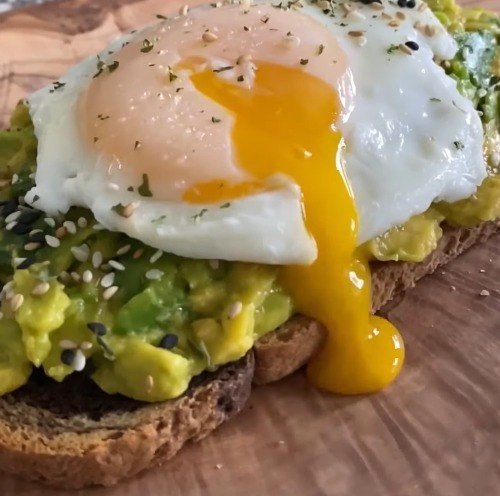
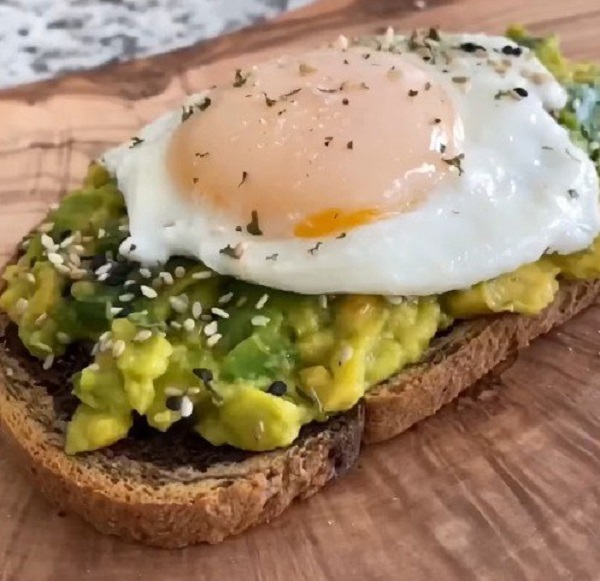
Avocado toast with egg has become a beloved breakfast choice, celebrated for its creamy texture, rich flavors, and endless possibilities. If you’re a fan of this trendy dish but find yourself stuck in a rut, fear not! In this culinary adventure, we will explore how to elevate your avocado toast game using a handful of simple yet flavorful ingredients: ripe avocado, cheese, fresh bread, sesame seeds, and a sprinkle of salt with pepper. Get ready to transform your mornings with a tantalizing breakfast that combines healthiness and indulgence.

The Foundation – Choosing the Perfect Avocado and Bread

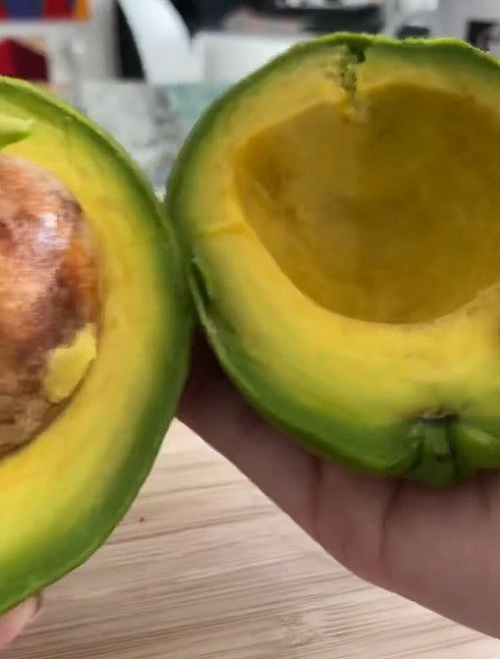
The key to a delectable avocado toast lies in the ingredients. Start by selecting a ripe avocado; its creamy consistency will spread effortlessly on your toast. Choose a high-quality bread, whether it’s a rustic sourdough or a hearty whole grain loaf. Toast it to perfection, ensuring a crisp exterior that contrasts beautifully with the creamy avocado.

A Symphony of Flavors – Adding Cheese and Sesame Seeds

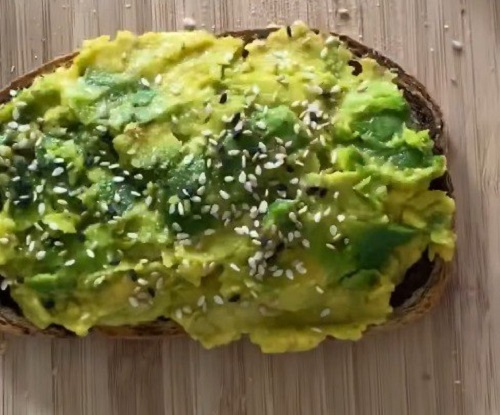
Once your toast is ready, it’s time to layer on the flavors. Consider grating some sharp cheddar or crumbling feta on top of the avocado. The cheese adds a delightful salty tang that pairs wonderfully with the avocado’s creaminess. For a satisfying crunch, sprinkle sesame seeds over the cheese. These tiny seeds not only enhance the texture but also bring a subtle nuttiness to the dish, elevating its overall flavor profile.

The Perfect Egg – Sunny-Side Up or Poached?

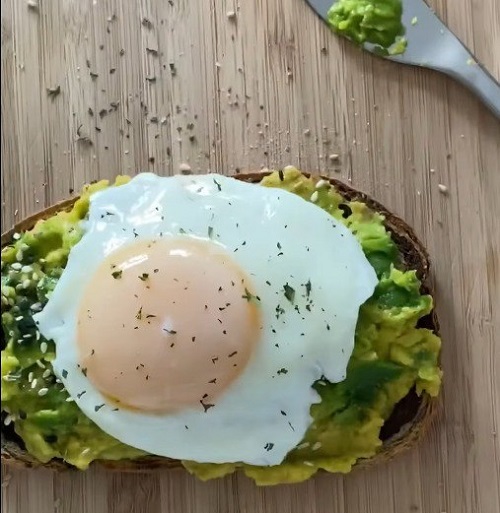
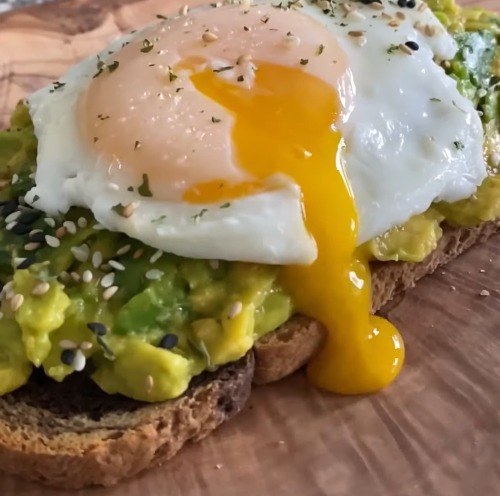
Now, let’s talk about the star of the show: the egg. The way you prepare your egg can drastically alter the dish’s taste and presentation. For a classic choice, go with a sunny-side-up egg. Its runny yolk will mingle with the avocado, creating a luscious sauce that coats each bite. If you prefer a more refined touch, opt for a poached egg. Its velvety texture and elegant appearance make it a popular choice among food enthusiasts.

Balancing Act – Seasoning with Salt and Pepper

To enhance the flavors of your avocado toast, don’t underestimate the power of seasoning. A pinch of salt and a sprinkle of freshly ground black pepper can transform the dish from good to exceptional. The salt enhances the natural sweetness of the avocado, while the pepper adds a subtle heat, making every mouthful a delightful experience.

Customizing Your Avocado Toast Experience

The beauty of avocado toast lies in its versatility. Feel free to experiment with additional ingredients to customize your creation. Consider adding sliced tomatoes for freshness, arugula for a peppery bite, or a drizzle of balsamic glaze for a touch of sweetness. Let your creativity run wild, and tailor your avocado toast to suit your taste preferences.

Mastering the art of avocado toast with egg is not just about following a recipe; it’s about embracing the endless possibilities this dish offers. With the right ingredients and a dash of creativity, you can create a breakfast masterpiece that tantalizes your taste buds and satisfies your cravings. So, the next time you crave a delicious and nutritious breakfast, reach for that ripe avocado, grab your favorite cheese, and start toasting. Your culinary adventure awaits!

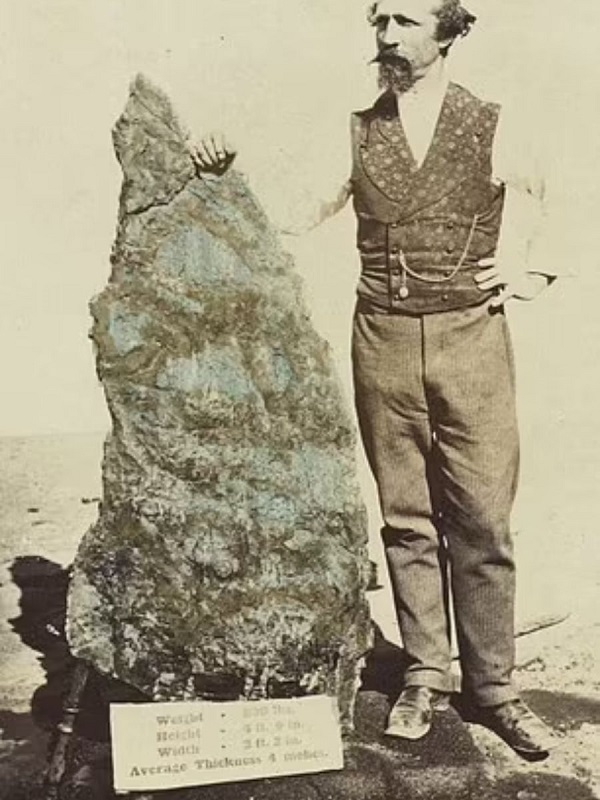
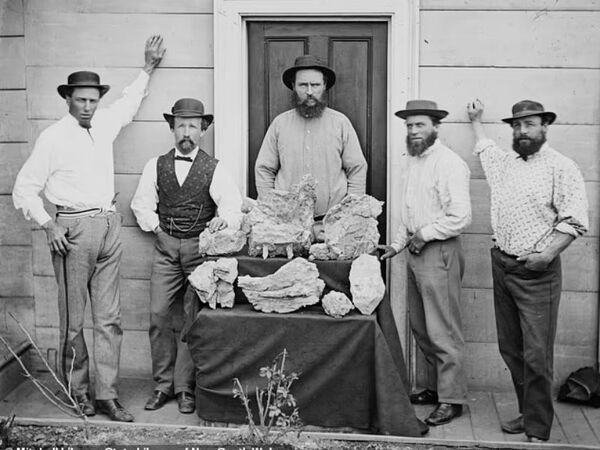
It is an iconic image of the Australian goldfields – seemingly offering proof that hard work and good luck could bring vast wealth for anyone willing to have a go.

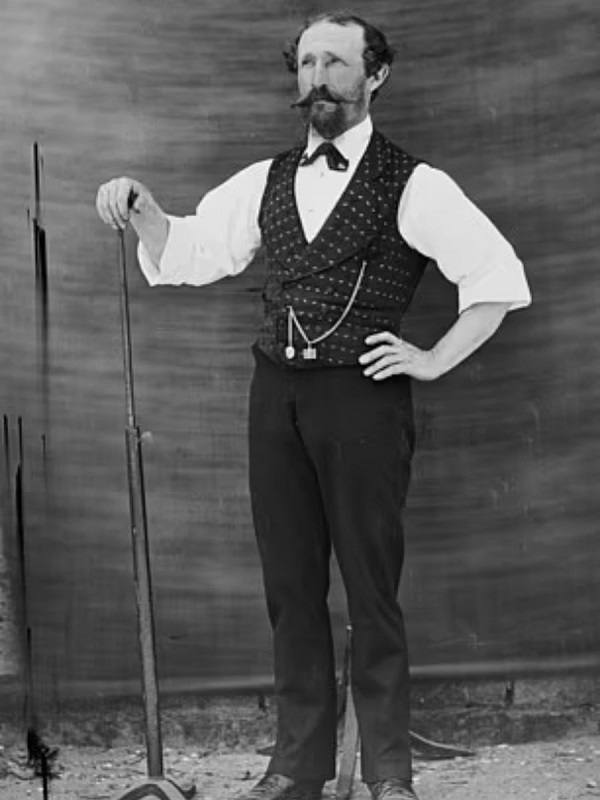
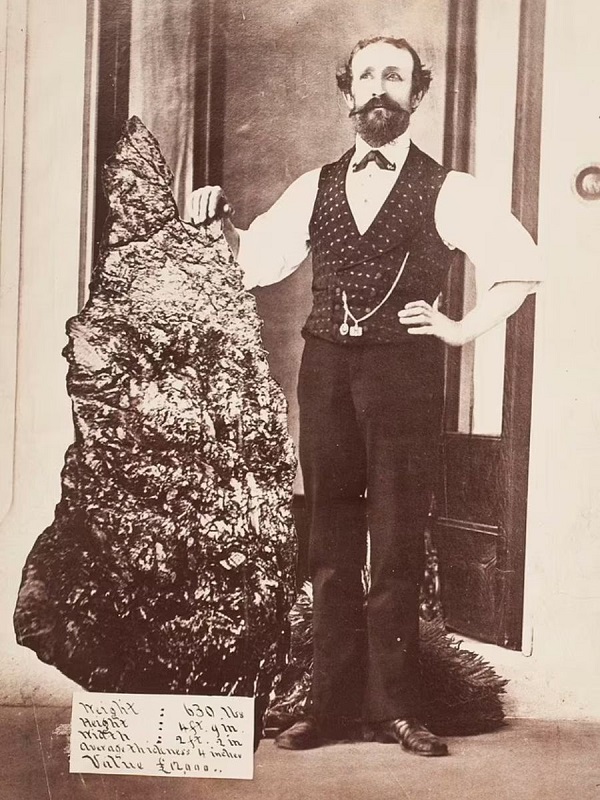
This famous picture of industrious German immigrant Bernard Holtermann posing with the largest gold ‘nugget’ ever found is also an elaborate fake.

While the Holtermann gold – all 93kg of it – was real, its part-owner was never actually photographed standing proudly with the lump of rock outside his home.
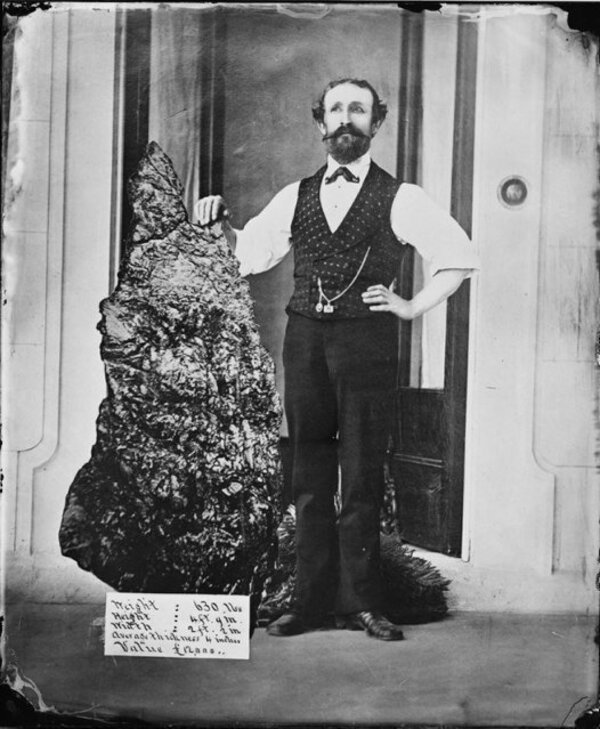
Instead, the picture is a montage of at least four superimposed images in a crude 19th century version of photoshop.

There is the nugget itself, the goldminer resting his hand on an iron support, and the verandah of his house. Holtermann’s head, facing the viewer, appears to have been pasted on.

This famous picture of industrious German immigrant Bernard Holtermann posing with the largest gold ‘nugget’ ever found is an elaborate fake. While the Holtermann gold – all 93kg of it – was real, its part-owner was never actually photographed standing proudly with the lump of rock outside his home

The picture is a montage of at least four superimposed images in a crude 19th century version of photoshop. There is the nugget itself, the gold miner resting his hand on an iron support, and the verandah of his house. Holtermann’s head, facing the viewer, has been pasted on

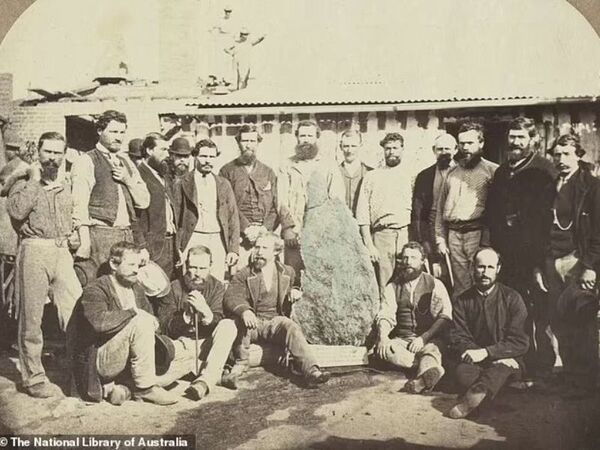
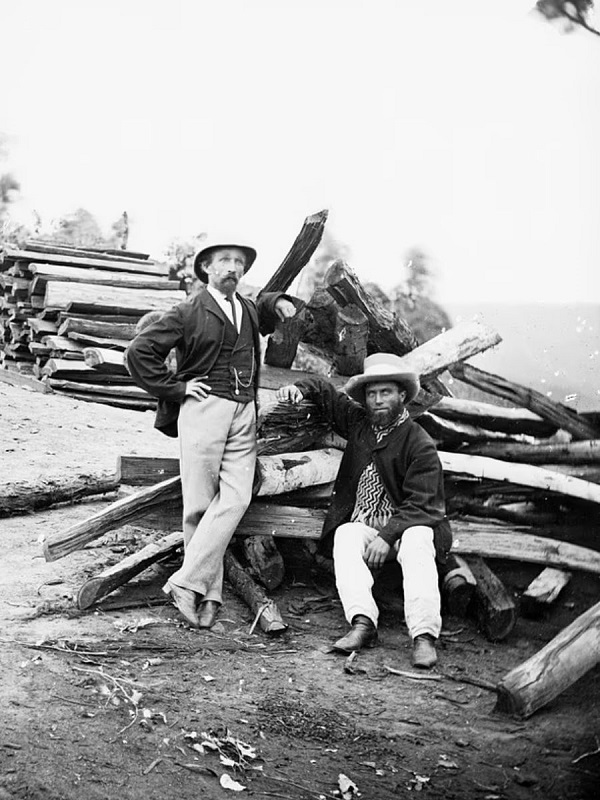
The story behind the photograph is almost as intriguing as the record gold discovery made by Holtermann’s mining company in 1872 and the tale of the man himself. A group of men including Holtermann (left of the nugget) is pictured at Hill End in 1872

The story behind the photograph is almost as intriguing as the record gold discovery made by Holtermann’s mining company in 1872 and the tale of the man himself.

‘Holtermann’s Nugget’ was not really a nugget at all. It was a mass of gold, quartz and slate broken from a quartz reef, correctly called a specimen or matrix.

It was discovered about 2am on October 19, 1872 in the Star of Hope mine on Hawkins Hill at Hill End, about an hour’s drive north of Bathurst in the Central Tablelands of New South Wales.

Star of Hope partners Holtermann and Louis Beyers had struck rich seams of the precious metal the previous year; now they had found a wall of gold which brought them almost instant fame and a considerable fortune.

The 285kg specimen pulled from the mine measured 144.8cm by 66cm by 10.2cm and contained 93kg (3,000 troy ounces) of gold which today would be worth more than AUD$7million.

Holtermann wanted to buy the specimen outright but his shareholders had already booked time at the local stamper battery for the next week and after being photographed it was crushed and melted down.

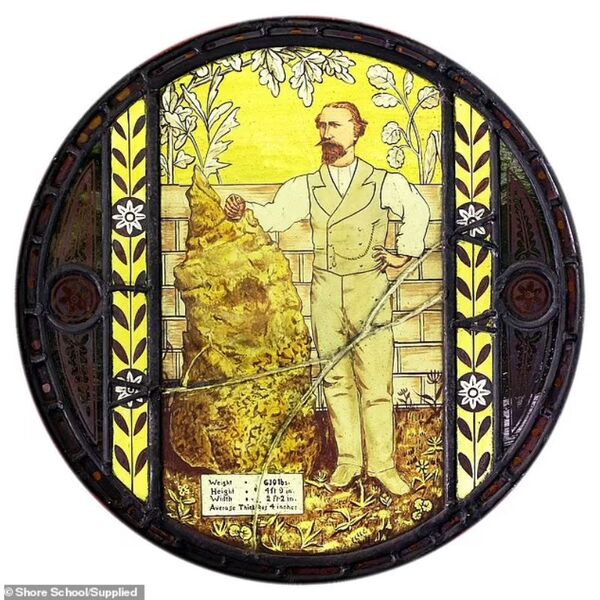
Holtermann had a 45cm diameter stained glass window featuring a representation of him with the nugget installed in his Sydney home, which is now part of Church of England Grammar School. The window is pictured 

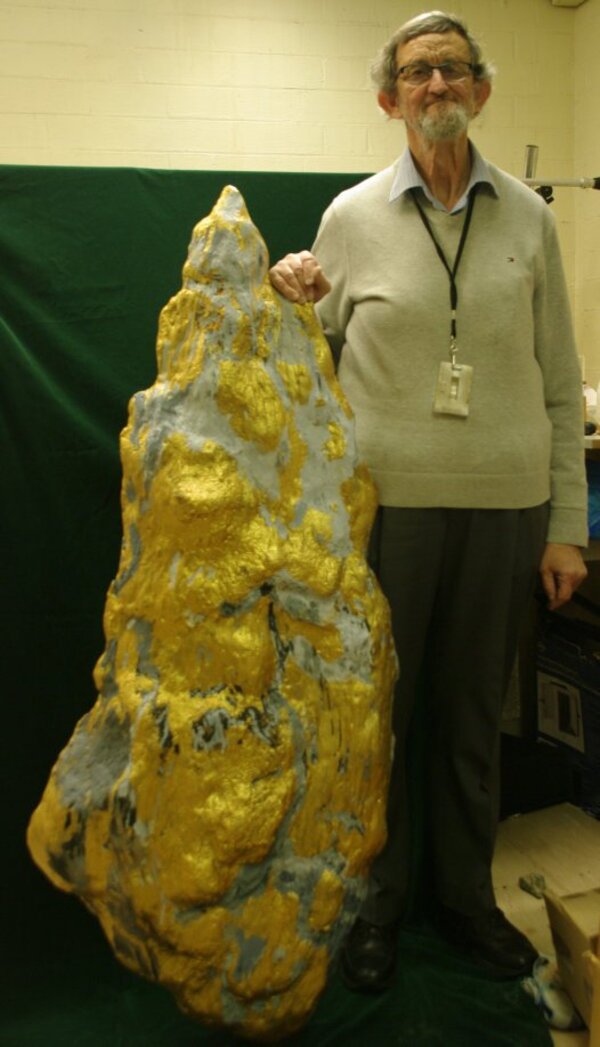
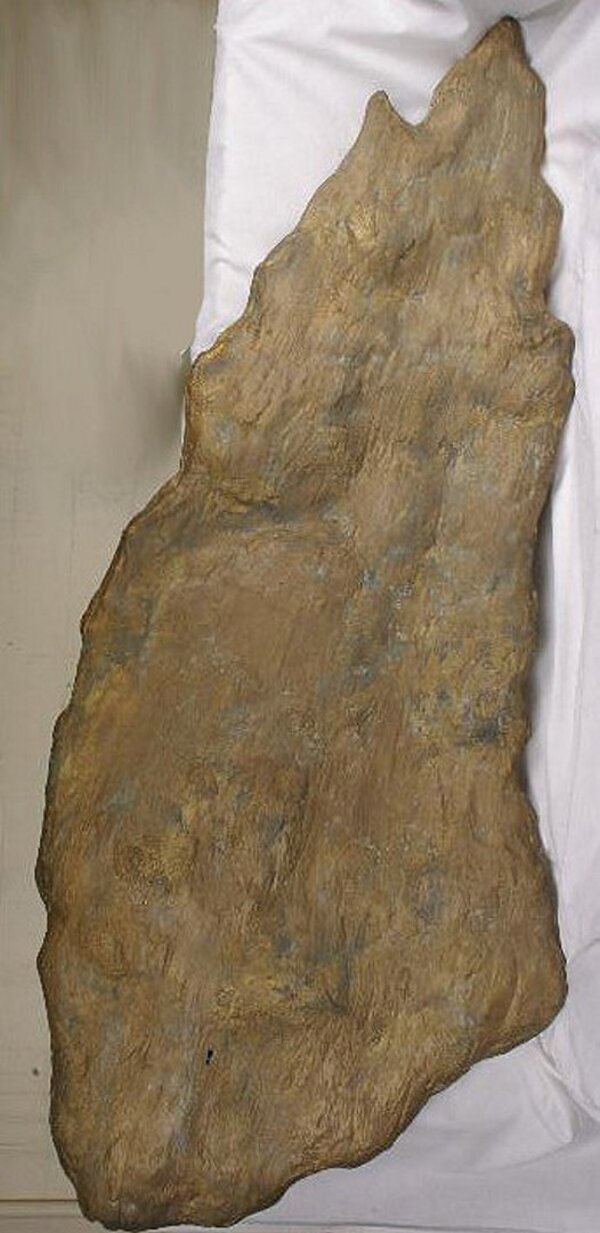
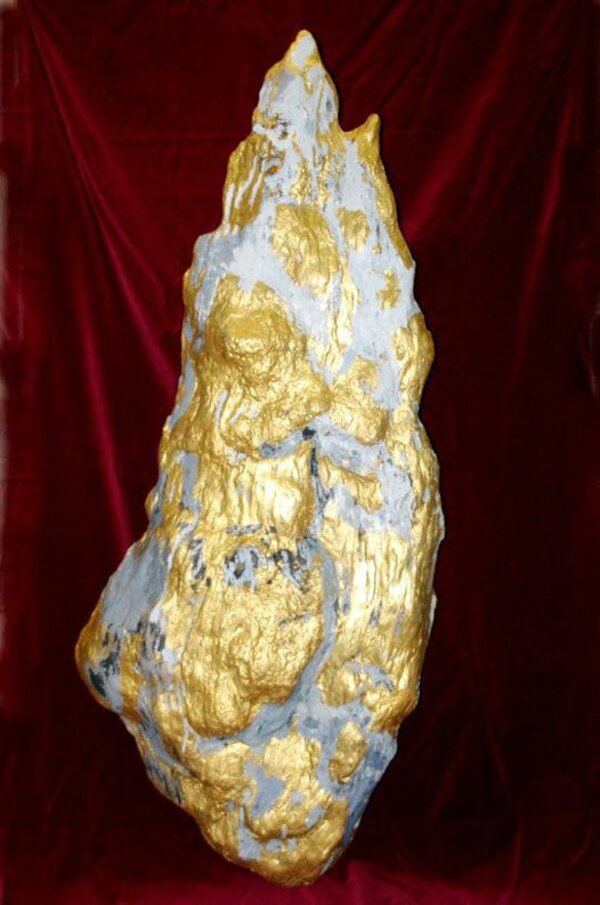
The Australian Museum holds a replica of the Holtermann nugget which was restored in 2017. The museum’s collection manager for mineralogy Ross Pogson is pictured in Holtermann’s pose

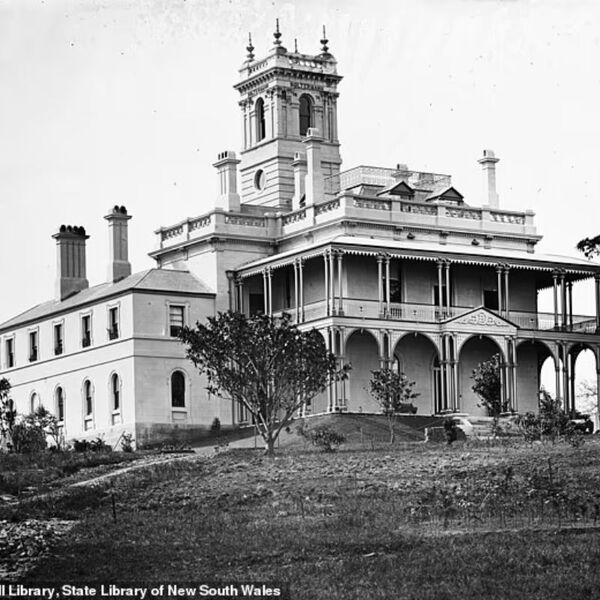
His share of the proceeds allowed Holtermann to build a mansion at St Leonards on Sydney’s lower north shore with a distinctive square tower overlooking the harbour.

From the tower, Holtermann indulged his passion for photography, helping take enormous panoramic pictures of Sydney which were exhibited around the world.

He also commissioned a comprehensive photographic record of NSW and Victorian goldfields which was uncovered 80 years later when thousands of glass negatives were found in a garden shed.

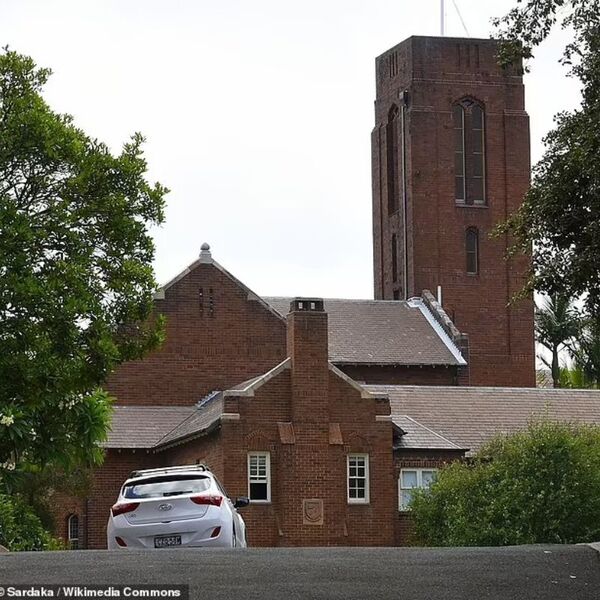
Holtermann was elected to the NSW Parliament and his mansion, known as The Towers, would eventually be subsumed into Sydney Church of England Grammar School, better known as Shore.

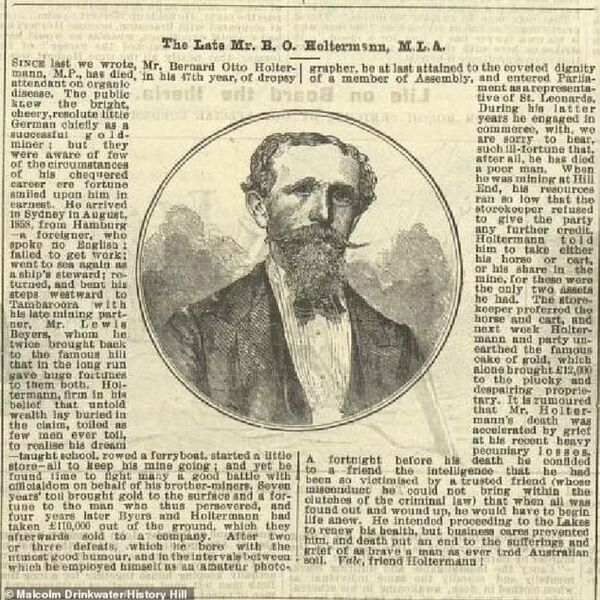
Upon his death, The Bulletin noted: ‘The public knew the bright, cheery, resolute little German chiefly as a successful goldminer… ‘

‘But they were aware of few of the circumstances of his chequered career ere fortune smiled upon him in earnest.’

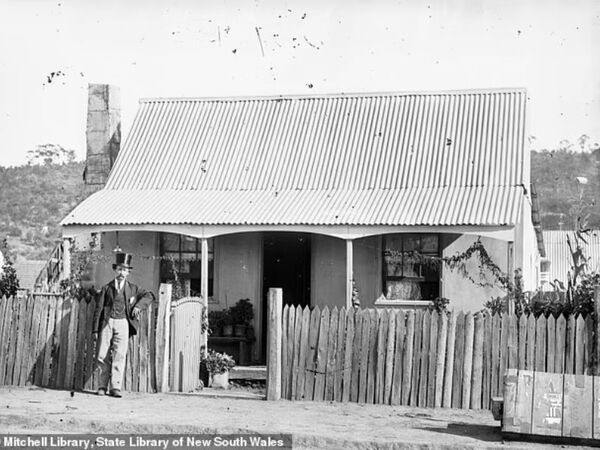
‘Holtermann’s Nugget’ was not really a nugget at all. It was a mass of gold, quartz and slate broken from a quartz reef, correctly called a specimen or matrix. Holtermann is pictured outside his home in Tambaroora Street, Hill End 

Holtermann used his share of the proceeds from his record find to build a mansion at St Leonards on Sydney’s lower north shore (pictured). Holtermann indulged his passion for photography from a distinctive square tower overlooking the harbour

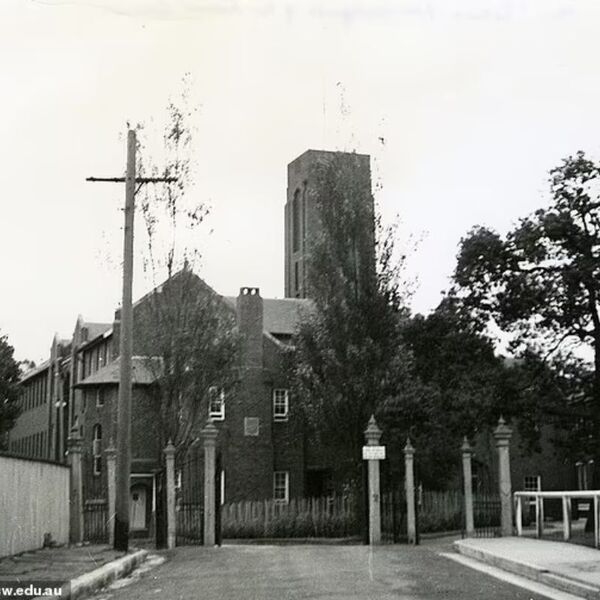
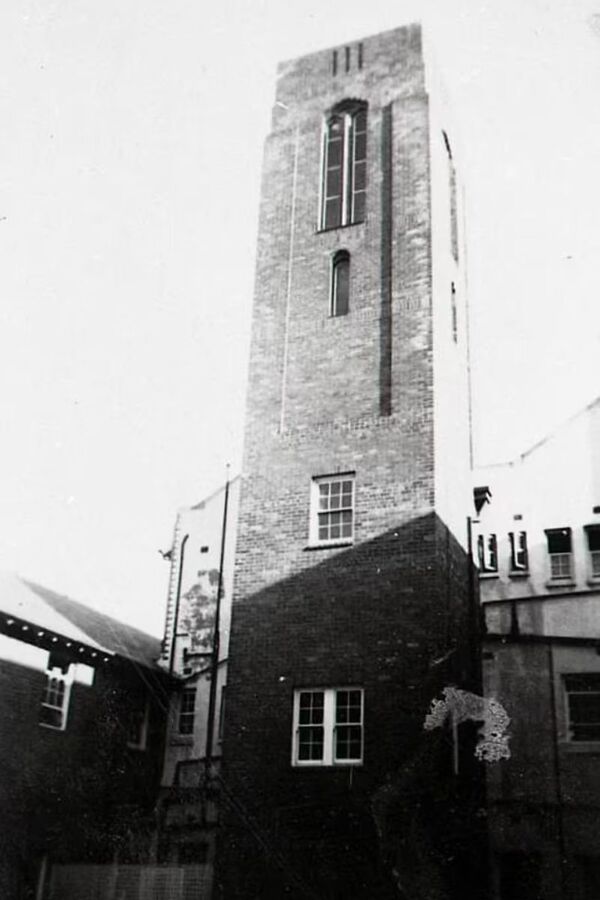
Holtermann was elected to the NSW Parliament and his mansion, known as The Towers, would eventually be subsumed into Sydney Church of England Grammar School, better known as Shore. The tower was encased in brick in 1934. it is pictured in 1940

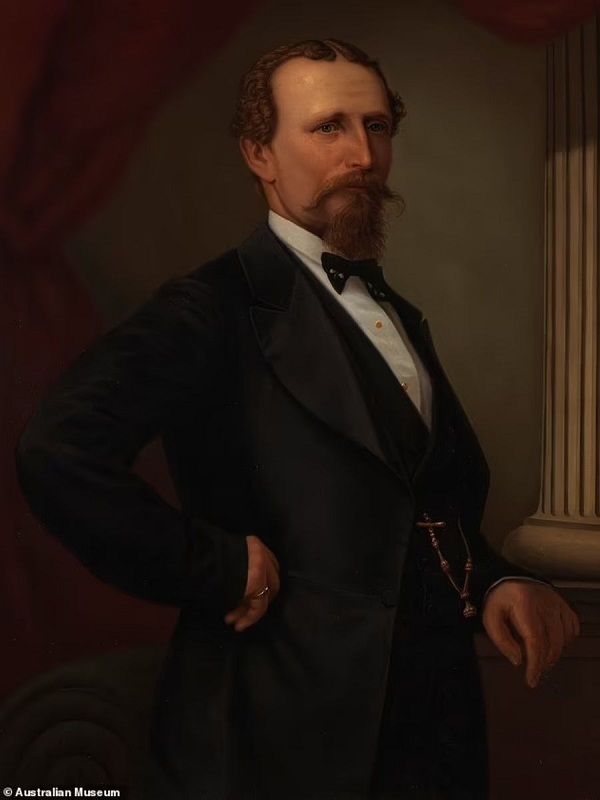
Bernhardt Otto Holtermann was born in Hamburg on April 29, 1838 and sailed from his homeland to avoid military service in 1858, arriving in Melbourne early the following year.

After working for several months as a waiter at the Hamburg Hotel in the city he met Polish miner Ludwig Hugo Beyers. The pair went prospecting on the Hill End-Tambaroora fields, where gold had been discovered in 1851.

Holtermann and Beyers began mining their Star of Hope claim in 1861 but had little early success. Their company was listed on the stock exchange and ownership of the mine would expand to eight shareholders.

Forced to try other business ventures, Holtermann was licensee of the All Nations Hotel at Hill End by 1868, the same year he and Beyers married sisters in Bathurst.

Rich veins of gold found in Star of Hope in 1871 were soon exhausted and new partner Mark Hammond sank a fresh shaft the following year without his partners’ authority.

Within weeks that shaft hit another gold-bearing seam but Hammond sold his stake in the mine shortly before the other shareholders struck their real bonanza.

Bernhardt Otto Holtermann was born in Hamburg on April 29, 1838 and sailed from his homeland to avoid military service in 1858, arriving in Melbourne early the following year

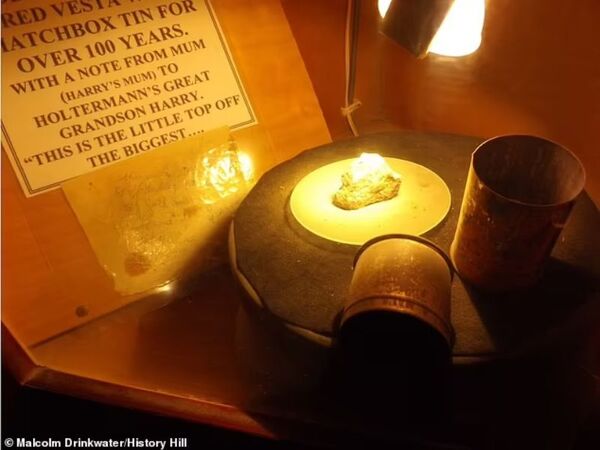
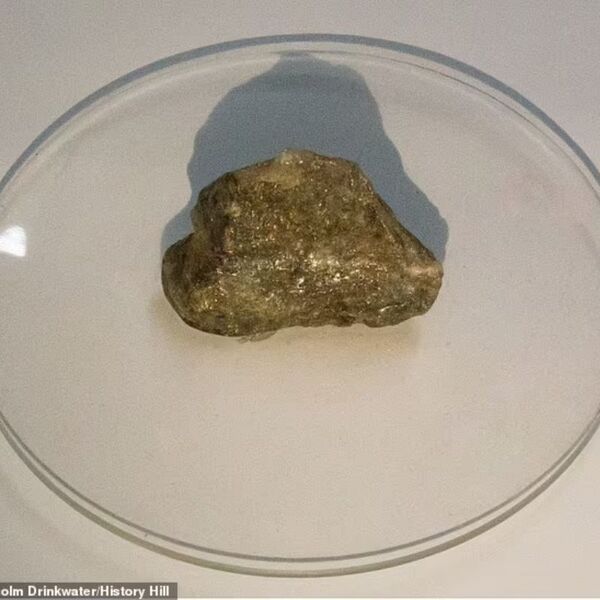
Before the specimen was crushed, Holtermann, the mine’s manager, chipped off the tip as a souvenir. That chip is now held by History Hill Museum at Hill End near Bathurst (pictured)

The largest single mass of gold ever recorded on earth was brought to the surface and Holtermann commissioned itinerant photographer Beaufoy Merlin to capture him next to the find.

Before the specimen was crushed, Holtermann, the mine’s manager, chipped off the tip as a souvenir.

Five months after Holtermann’s Nugget was found an even larger specimen, estimated to contain 155kg (5,000 troy ounces), was recorded in the Star of Hope’s day book.

The miners broke it up underground rather than manhandling another huge rock to the surface where it would be crushed and smelted anyway.

The second, broken, mammoth specimen was described in one newspaper report of February 1873 as having been displayed for a week before being crushed.

Holtermann wanted others to share in his wealth and enlisted Merlin and his partner Charles Bayliss to photograph the NSW and Victorian goldfields so he could promote Australia to the world.

Holtermann and Louis Beyers began mining their Star of Hope claim in 1861 but had little early success. Their company was listed on the stock exchange and ownership of the mine would expand to eight shareholders. Holtermann (left) and Beyers are pictured

A replica of the Holtermann specimen (left) was displayed in the Australian Museum up until the early 1970s. It was restored in 2017 with gold, white and blue-grey paint (right) 

He built a studio for the pair’s American & Australasian Photographic Company at Hill End and set them the task of producing images for what he would bill as Holtermann’s International Travelling Exposition.

The photographic process of the time required coating glass plates with a wet emulsion before use and development immediately afterwards.

Using a portable darkroom, Merlin and Bayliss documented the Hill End and Gulgong goldfields but Merlin died of pneumonia in September 1873, leaving Bayliss to finish photographing Victoria’s gold towns.

Holtermann was now one of the richest men in the colony and gave up prospecting to moved to Sydney, where he bought an estate above Lavender Bay.

There he made substantial additions to an existing house, notably adding a central 27m tower on each side of which displayed his name in large capital letters.

Within the tower was a 45cm diameter stained glass window featuring a representation of the famous picture of Holtermann with the ‘nugget’.

A few months after Holtermann’s nugget was found an even larger specimen, estimated to contain 155kg of gold was recorded in the Star of Hope’s day book. The miners reportedly broke it up underground. Holtermann, second from left, is pictured with the pieces

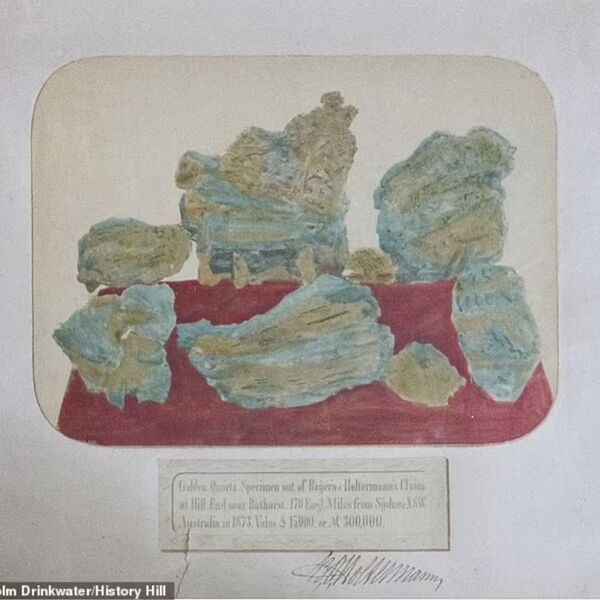
Holtermann sketched the pieces of a gold specimen found in his Star of Hope mine five months after the record-breaking mine. The second, broken, specimen was described in one newspaper report of February 1873 as having been displayed for a week before being crushed

The mansion was shown on maps as The Towers but was colloquially known as Holtermann’s Tower, or Holtermann’s Folly.

It drew attention throughout the colony and was described in the Singleton Argus as an ‘architectural ornament to the locality in which it is situated’ and ‘a residence fit for a nobleman.’

The tower was the perfect vantage point from which to realise Holtermann’s next ambition to photograph the entire magnificence of Sydney for an international audience.

With Bayliss he made enormous glass plate negatives which measured 152cm by 91cm and began photographing the harbour and surrounding suburbs.

Perched in the tower, Holtermann and Bayliss completed a 9.78m panorama comprised of 23 images which Holterman claimed formed the largest photograph in the world.

It was awarded a bronze medal at the 1876 Centennial Exhibition in Philadelphia, where Holtermann sold copies and presented lectures on the attractions of Sydney.

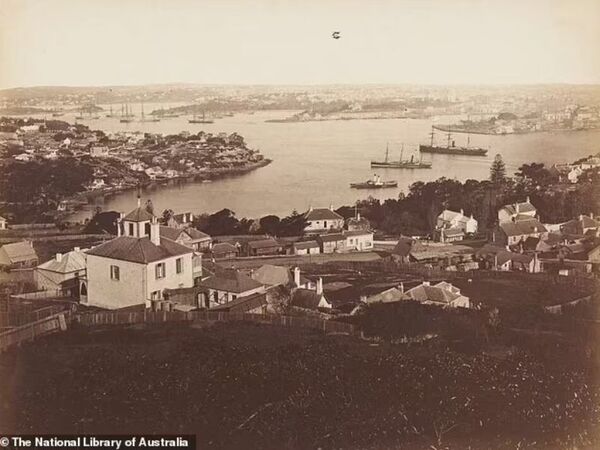
The tower of Holtermann’s home was the perfect vantage point from which to realise his ambition to photograph the entire magnificence of Sydney for an international audience. This view over Lavender Bay and Milsons Point was taken from the tower

In the early 1930s the original Holtermann house facade was in a state of disrepair. Due to financial constraints brought on by the Depression the school had two choices: brick over the structure or demolish it. The school chose to brick over the building, including the tower

The Philadelphia exhibition attracted almost 10 million visitors and 13 million more attended the Paris Exposition Universelle Internationale in 1878 when the panorama won a silver medal.

World’s three largest genuine gold nuggets 

Welcome Stranger Nugget: 99.9kg (3,524oz). Found by English prospectors John Deason and Richard Oates in February 1869 at Moliagul in Victoria. Broken into three pieces and melted down.

RNC Minerals’ 1 Nugget: 94.9kg (3,351oz). RNC Minerals found the gold-encrusted rock at the Beta Hunt mine in Western Australia in September 2018.

Welcome Nugget: 68.9kg (2,433oz). Found in Ballarat, Victoria, by miners from Cornwall, England in June 1858. Bought by the Royal Mint and melted down into sovereign coins.

Source: goldindustrygroup.com.au 

Holtermann travelled through France, Germany and Switzerland, showing his photographs and answering inquiries about life in Australia, before coming home.

That mission accomplished, In retirement he wrote papers and came up with formulae for medicines, producing Holterman”s Life Preserving Drops.

He was elected to the NSW Legislative Assembly as the member for St Leonards in 1882 at his third attempt and served in parliament for the last years of his life.

Holtermann suffered cancer of the stomach, cirrhosis of the liver and dropsy (a build up of fluid in the body’s tissue which is also known as oedema) and died in 1885 on his 47th birthday.

The Bulletin recorded his death was accelerated by a number of disastrous business ventures and the deceitful dealings of a trusted friend which left him a poor man.

‘Death put an end to the sufferings and grief of as brave a man as ever trod Australian soil,’ its unnamed writer concluded. ‘Vale, friend Holtermann.’

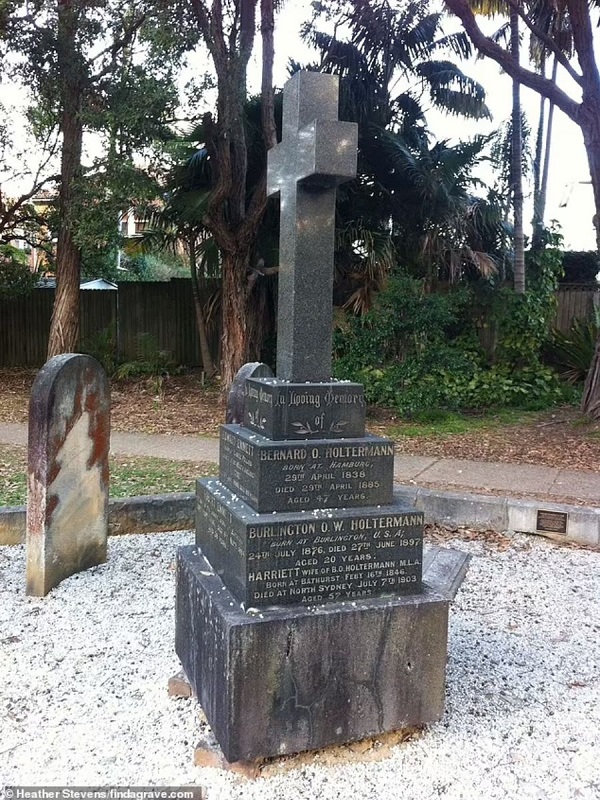
He was buried in St Thomas’s Cemetery at Crows Nest, leaving behind wife Harriet, three sons and two daughters. But his story was not over.

The Towers was bought by Holtermann’s neighbour Thomas Dibb who sold it in 1888 to the Church of England and it became part of Shore when the school opened the following year.

Holtermann’s negatives were largely forgotten for decades until a remarkable discovery in 1951 usually credited to photographer and journalist Keast Burke.

Holtermann died in 1885 on his 47th birthday. He was buried in St Thomas’s Cemetery at Crows Nest, leaving behind wife Harriet, three sons and two daughters

The Bulletin recorded Holtermann’s death had been accelerated by a number of disastrous business ventures and the deceitful dealings of a trusted friend which left him a poor man. ‘Death put an end to the sufferings and grief of as brave a man as ever trod Australian soil’

Burke, the New Zealand-born editor Australasian Photo-Review, traced the plates to the home of the widow of Holtermann’s youngest son Leonard at 15 Thomas Street, Chatswood.

There, in what Burke described as like opening Tutankhamun’s tomb, he found about 3,500 negatives safely stored in a locked garden shed.

‘After some delay, a key was obtained through the cooperation of her son Bernard Holtermann III, and the room disclosed its long-hidden treasures,’ Burke later wrote.

‘It was an incredible sight: neat stacks of cedar boxes of various dimensions, each with slotted fittings which had held the large negatives in perfect preservation.

‘And there were the actual negatives of the huge 1875 Harbour panorama, noted in all the records of photography as being the largest ever taken by the wet-plate process.’

More than a century after the world’s largest gold specimen was dug from the earth, Holtermann’s great grandson produced the chip that had been knocked off the top, which he had kept in a tin under his bed. The tin is pictured

Harry Holtermann, who is still alive, sold the chip taken by his great grandfather to Hill End’s History Hill Museum where it remains on display with other artefacts linked to his ancestor

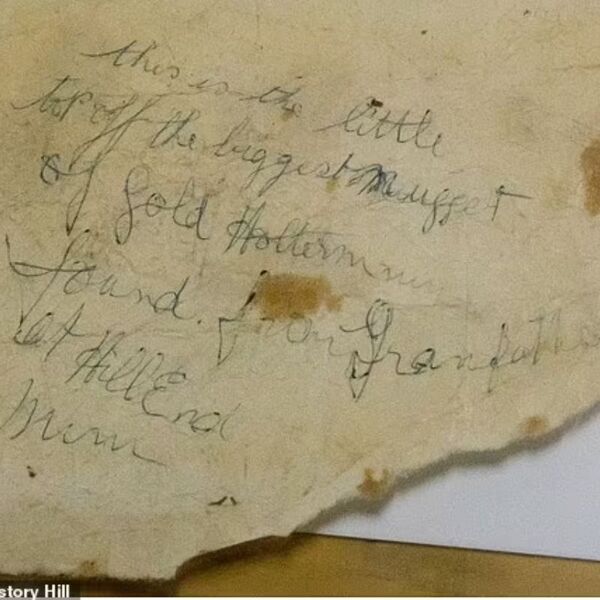
Harry Holtermann’s mother gave him a note when she passed down the piece of his great grandfather’s nugget. ‘This is the little top off the biggest nugget of gold Holtermann found at Hill End’

The negatives’ subjects ranged from views taken around Sydney and Melbourne to detailed portraits of frontier life in the Hill End and Gulgong goldfield settlements.

Upon Burke’s recommendation the hoard was donated to the State Library where in 2011-2012 they were cleaned, rehoused and rescanned.

The Holtermann Collection is now considered one of the world’s great photographic records and is on the register of the UNESCO Australian Memory of the World.

Holtermann’s legacy lives on in a street at Crows Nest named after him and a replica of his nugget sat outside Bathurst Regional Council until it was vandalised last year.

The Australian Museum also holds a resin and fibreglass facsimile of the nugget which after decades of neglect was restored with gold, white and blue-grey paint in 2017.

A copy of Holtermann’s harbour panorama is hung in the hallway that leads to North Sydney Council’s customer service centre, above a comparable modern image (pictured)

Holtermann’s tower, which was encased in brick in 1934, is still part of Shore School and is now within the building known as School House which accommodates boarders

A copy of Holtermann’s harbour panorama is hung in the hallway that leads to North Sydney Council’s customer service centre, above a comparable modern image taken by photographer Christopher Shain.

More than a century after the world’s largest gold specimen was dug from the earth, Holtermann’s great grandson produced the chip that had been knocked off the top, which he had kept in a tin under his bed.

Harry Holtermann, who is still alive, sold the chip to Hill End’s History Hill Museum where it remains on display with other artefacts linked to his ancestor.

Holtermann’s tower, which was encased in brick in 1934, is still part of Shore School and is now within the building known as School House which accommodates boarders.

The glass window commemorating the discovery of Holtermann’s nugget is in the foyer of the school’s BH Travers building.

souce: https://www.dailymail.co.

Wet Baby Bird
Jo Naylor/Flickr/CC by 2.0 

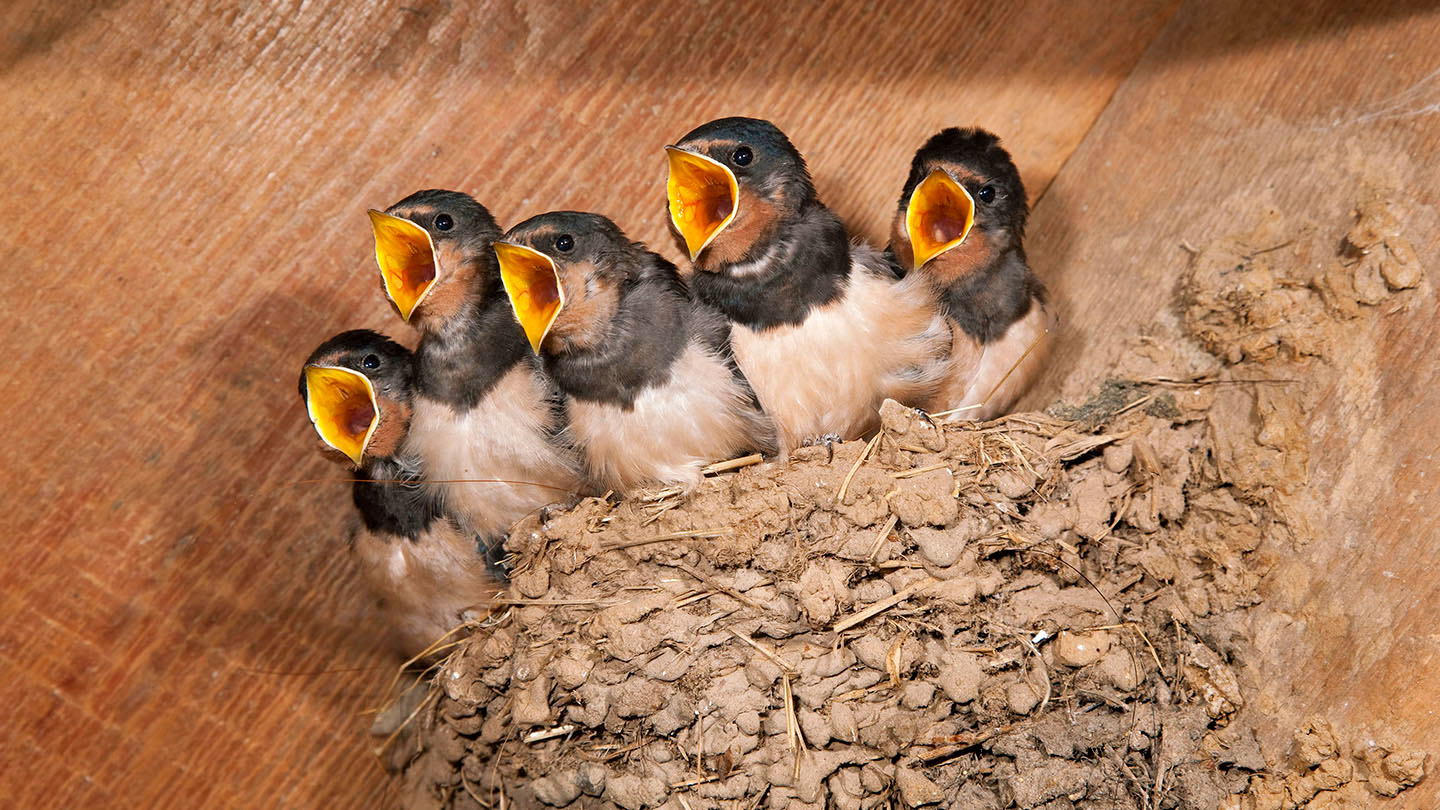
Many birders show great compassion for backyard birds, and baby birds can be especially endearing with their soft plumage, fluttering wings, and insistent cheeping. Even the best intentions can harm baby birds, however, and savvy birders will avoid these mistakes whenever they find a baby bird.


When Baby Birds Arrive

Spring and summer are baby season in the bird world, and many birds raise multiple broods of demanding hatchlings. As young birds grow, it can seem heartless when adults push them out of the nest and encourage them to set forth on their own, but parent birds always have the survival of their chicks in mind. No matter how tempting it may be, birders should avoid interfering with baby birds except in dire circumstances. While there are times when interference is necessary, most often the best course of action is to leave the baby bird alone.

What to Do If You Find a Baby Bird on the Ground - PetHelpful


If You Find a Baby Bird, DO NOT…

    1. Move Them: Baby birds often leave the nest several days before their wings are strong enough to fly well. While these fluttering babies may initially seem abandoned, the parent birds are easily able to keep track of their young and will return to feed and care for the chick. Moving the bird may take it out of reach of its parents, denying it the essential care and instruction those parents provide. – The Exception: If the baby bird is bare-skinned and too young to have left the nest, it should be placed back in the nest so parents can continue to care for it. Similarly, if the baby bird is in immediate danger, such as on a busy street or in reach of predators, it should be moved to a nearby but safer location.
    2. Cuddle Them: While parent birds have a poor sense of smell and will not reject a baby bird because it has been touched by humans, the scent even a gentle touch leaves behind may attract predators to the young bird. Furthermore, baby birds have very fragile bones and handling them could inadvertently cause serious injuries, and they may carry mites or other parasites that can be detrimental to humans. – The Exception: If a very young bird cannot be replaced in its nest, it should be put in a warm location with soft towels or cloths to keep it warm until it can be turned over to a licensed wildlife rehabilitator. Baby birds can lose body heat rapidly if their feathers are not developed, and it may be necessary to help them stay warm, but they should not be held in the hand to do so.
What to Do If You Find a Baby Bird - Woodland Trust
  1. Study Them: Young birds are very susceptible to stress and while it can be intriguing to study them closely when they arrive in a yard, getting too close can be detrimental. Furthermore, a human nearby may keep parent birds from returning to care for their offspring. Instead, use binoculars to watch the baby bird from a distance so it does not feel crowded or threatened. – The Exception: When a baby bird is first spotted, it may be necessary to check it carefully for any sign of illness or injury. Once that observation is made, ideally without any physical contact, the bird should be left alone.
  2. Feed Them: Baby birds have very specialized diets that need to be high in protein for proper bone and feather formation. Malnutrition can lead to a range of health problems, even fatalities, and baby birds also require smaller bites of food they can easily digest, which they get from the regurgitated meals their parents provide. While baby birds may beg incessantly, that does not mean they are starving, and their parents will return with appropriate food as often as necessary. – The Exception: If careful, prolonged observations show that the parents are not returning to feed the young bird, it may need an emergency feeding. Ideally, this should only be done by an experienced bird rehabilitator who knows exactly what to feed baby birds to mimic their natural diets and fulfill their nutritional needs.
  3. Adopt Them: It can be heart-wrenching to leave baby birds to care for themselves. That is the best course of action, however, as birds raised by humans will not develop the necessary behaviors to survive in the wild. Furthermore, keeping any wild bird captive, even with the intent to release it later, is a violation of the Federal Migratory Bird Treaty Act and can result in fines and criminal charges. While this law only applies to the United States, many countries have similar legislation prohibiting wild birds from being adopted as pets. – The Exception: When parent birds have been killed or otherwise do not return to care for their chicks, it may be necessary to care for the babies to ensure their survival. Because of baby birds’ specialized needs, however, this can only be done properly by experienced rehabilitators, and birders should know where to find bird rescue organizations so any baby birds they find can receive the proper care.
Hatchlings, Nestlings, and Fledglings: How to Tell if that Baby Bird Needs your Help. - Chimney and Wildlife

It is a harsh truth that infant mortality is very high among wild birds, and the majority of chicks do not survive to maturity. While it can be tempting to care for baby birds, understanding what not to do when finding young birds is essential to provide them the best chances for a healthy, wild life.


Introduction

Special Forces operations often require unique and highly specialized skills, and this includes the use of specially trained K-9 units. In this blog post, we’ll delve into the world of two exceptional Special Forces hunting dogs, exploring their roles, training, and the incredible bond they share with their human counterparts.

1. The Elite Team Members

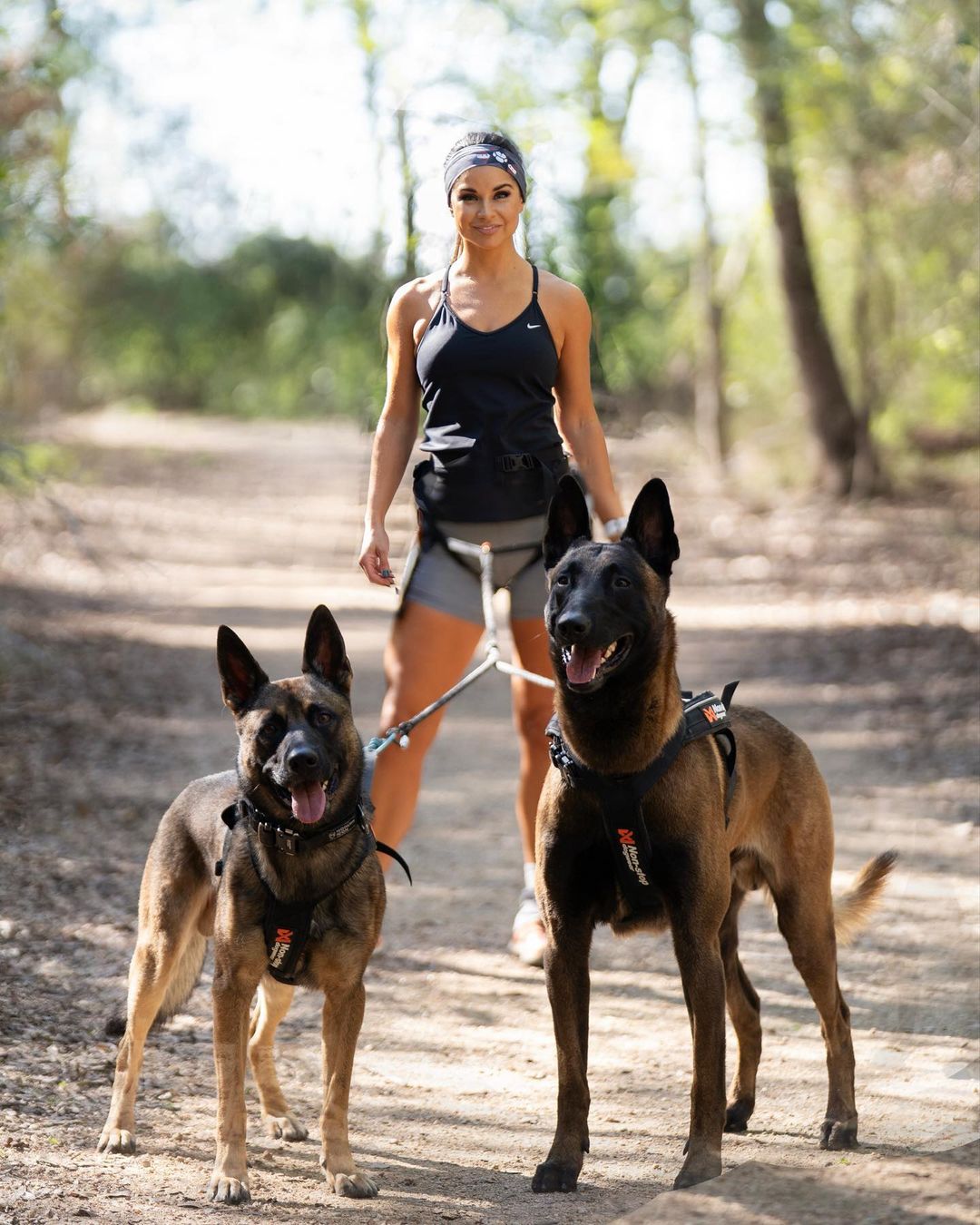
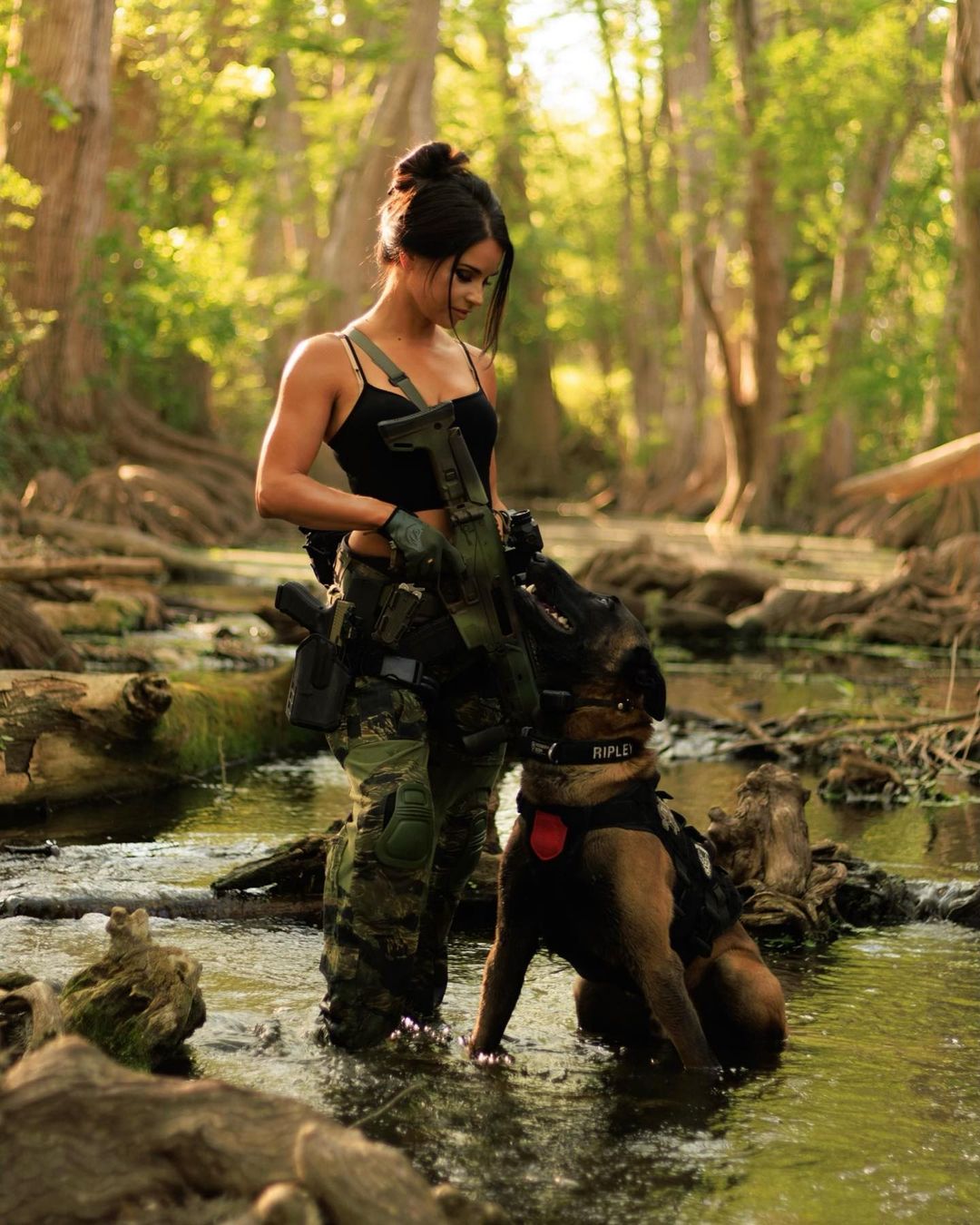
Special Forces hunting dogs, or K-9s, are indispensable members of elite military units. They play a crucial role in various missions, from detecting explosives and tracking down enemies to search-and-rescue operations. These dogs are carefully selected for their intelligence, agility, and unwavering loyalty.

2. Meet Koda: The Search and Rescue Hero

Koda, a Belgian Malinois, is a skilled search and rescue dog who has saved lives in disaster-stricken areas. Trained to locate survivors buried under rubble, Koda’s keen sense of smell and determination make her an invaluable asset. Her courage and dedication to her mission are unwavering.

3. Max: The Stealthy Tracker

Max, a German Shepherd, is a master at tracking and apprehending individuals. He excels in locating hidden enemies during covert operations, making him an essential partner for Special Forces personnel. Max’s training includes obedience, scent detection, and swift, stealthy movement.

4. Rigorous Training and Trust Building

These Special Forces dogs undergo extensive training alongside their handlers. The training covers obedience, specialized skills, and intense physical conditioning. The strong bond between a K-9 and their handler is developed through mutual trust and countless hours of work together.

5. The Unbreakable Bond

The partnership between a Special Forces hunting dog and their handler is built on trust and camaraderie. They rely on each other in high-stress situations and often share an unspoken connection. This unique bond allows them to operate as a seamless team, ensuring the success of their missions.

Fecal Content

In conclusion, Special Forces hunting dogs like Koda and Max are unsung heroes who serve their countries with unwavering dedication. These remarkable animals play an essential role in safeguarding lives and achieving mission success in challenging environments. The strong bond they share with their handlers is a testament to the power of trust, training, and teamwork. As we celebrate the courage and skills of these K-9 heroes, let’s also remember the handlers who work tirelessly alongside them, ensuring that their special forces hunting dogs perform at their best.

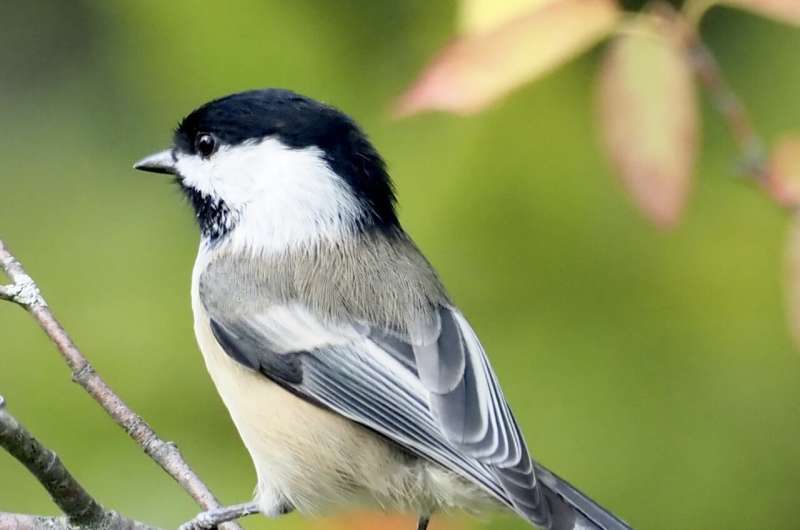
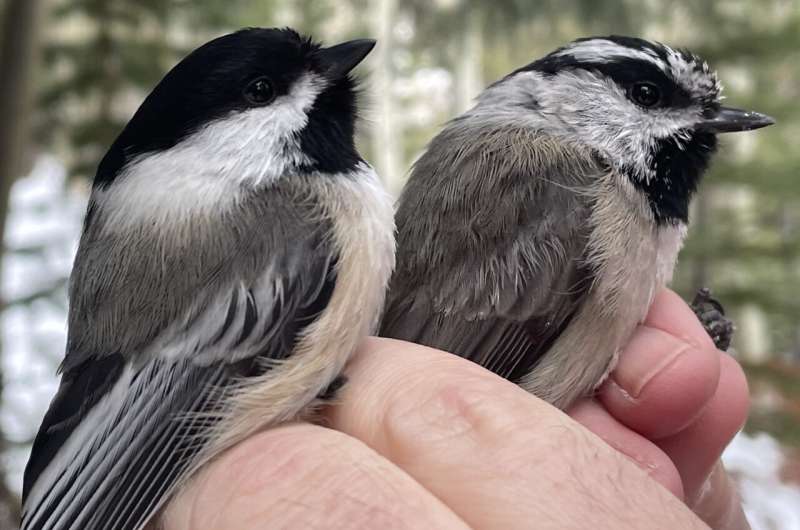
Hybrid songbirds found more often in human-altered environments

HYBRIDS OF TWO COMMON NORTH AMERICAN SONGBIRDS, THE BLACK-CAPPED AND MOUNTAIN CHICKADEE, ARE MORE LIKELY TO BE FOUND IN PLACES WHERE HUMANS HAVE ALTERED THE LANDSCAPE IN SOME WAY

The study is the first to positively correlate hybridisation in any species with landscape changes caused by humans, and the first to examine this relationship across an entire species’ range – spanning almost all of western North America.

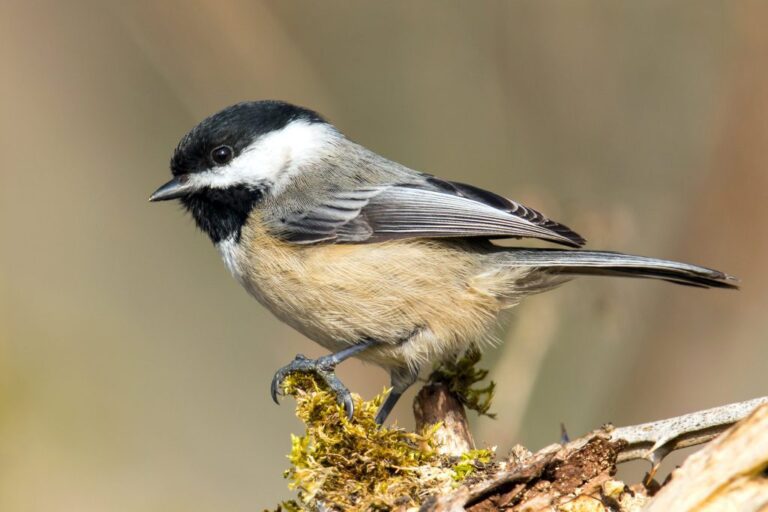
The paper also contradicts a long-standing assumption that these two birds rarely hybridise, finding instead that black-capped and mountain chickadee hybrids (identified using genetic tools) occur across the United States and Canada.

Lead author Kathryn Grabenstein is a postdoctoral associate in ecology and evolutionary biology at the University of Colorado Boulder. She said: “These are common birds. If you go anywhere in North America, you’ll find a chickadee.

“What we’re finding now, is that if you see a chickadee in a place where both black-capped and mountain chickadees live, they’re probably at least a little bit of a hybrid chickadee.”

Hybridisation – the interbreeding of closely related species to produce mixed ancestry offspring – is common in the development of life on Earth and is thought to be especially important in the evolution of plants.
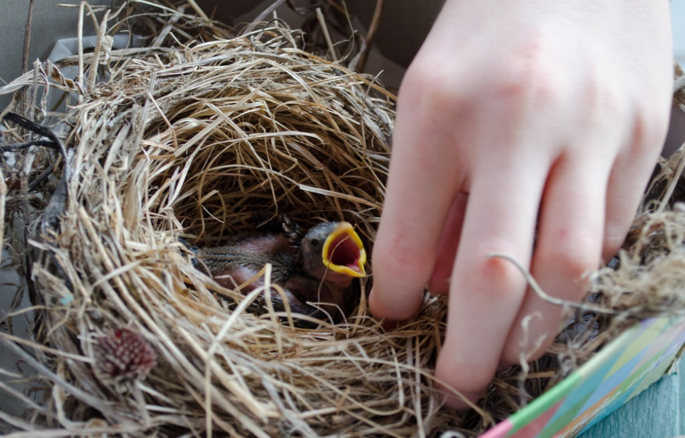
This new analysis of songbirds adds to the growing body of evidence that hybridisation is also quite relevant within vertebrate evolution.

Hybrid songbirds found more often in human-altered environments

HUMAN DISTURBANCE

What this study cannot say is why these chickadee hybrids are more common in places where humans have changed the landscape, but it is the first of its kind to examine this correlation separate from climate change.

Climate change often changes the range of a species, bringing them into contact with another that would not normally interact, which can lead to hybridisation.

In contrast, this study looked at two related species whose ranges already overlap and focused on the variable of human ‘disturbance’, such as building cities, clearing land, planting trees, creating reservoirs and noise pollution.
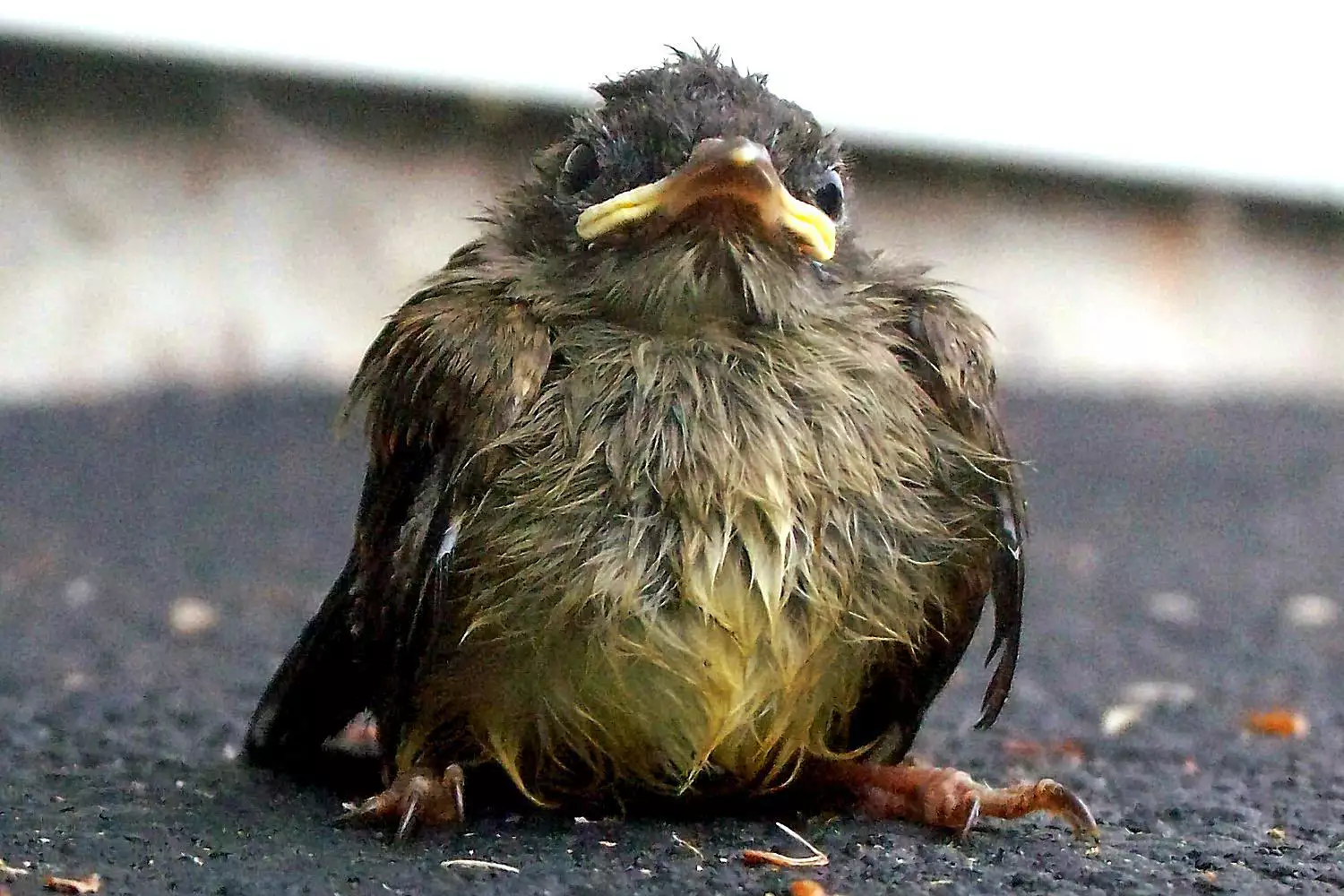
This way, the researchers could exclusively examine if changes to the physical structure of the environment affect the interactions between two species that are already in the same place.

“It’s not bringing new species into contact with each other; it’s changing the rules of negotiation between them,” said Grabenstein.

Co-author Scott Taylor is an associate professor of ecology and evolutionary biology, director of CU Boulder’s Mountain Research Station and a fellow at the Institute of Arctic and Alpine Research (INSTAAR).

He said: “What are the consequences of the ways we modify the landscape?

“We think about it mostly in terms of habitat loss, not necessarily in terms of species interaction modifications.

“This paper changes our understanding of this system incredibly.”

CORRELATION BETWEEN HYBRIDS

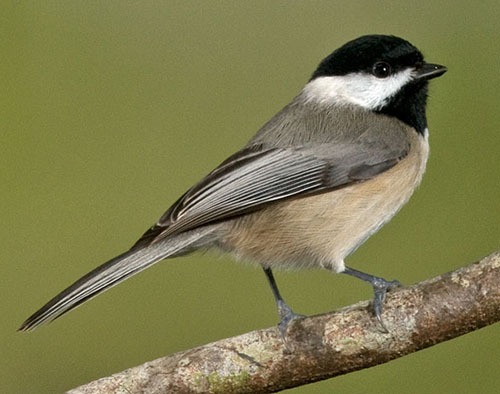
Carolina chickadee (Poecile carolinensis)

Previously published research by Grabenstein and Taylor found examples of various species hybridising in the wake of humans disrupting their habitats, but they wanted to document a clear example of this occurring across a wide geographical range.

Based on local observations of possible hybrid black-capped and mountain chickadees in several towns and cities across western North America, they realised these two species would be good candidates for a study.

To test their hypothesis about these birds, the researchers compiled observational data from eBird, an online birding site, and DNA samples from 196 black-capped and 213 mountain chickadees at 81 sites in North America, gathered over the past decade by co-authors Ken Otter of the University of Northern British Columbia and Theresa Burg of the University of Lethbridge.

They found a positive, significant correlation between hybrids of these two species and areas where humans have disturbed their habitat in some form – as well as that black-capped chickadees are found more often in these disturbed areas than mountain chickadees.

This study is also a positive sign for science.

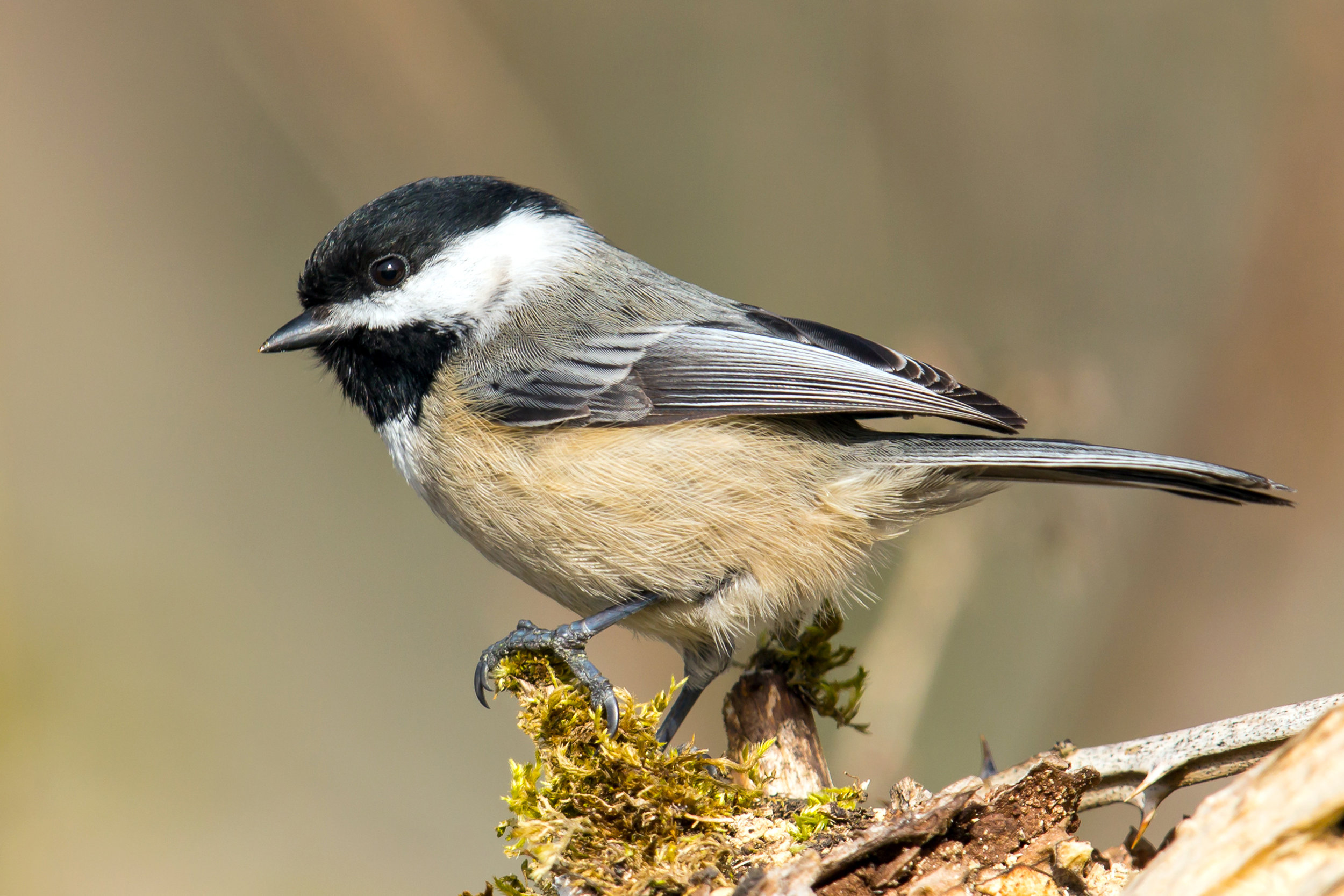
Black-Capped Chickadee — Eastside Audubon Society

Sequencing the DNA of 409 birds is a big study; just a decade ago, a study of this size may not have been possible due to the large amount of time and money it would have required.

As the price tag of DNA sequencing has dramatically dropped and running samples has become more efficient, these precise genomic tools have become more accessible to more researchers, allowing them to improve our understanding of how humans impact biodiversity at the genetic level.

Introduction

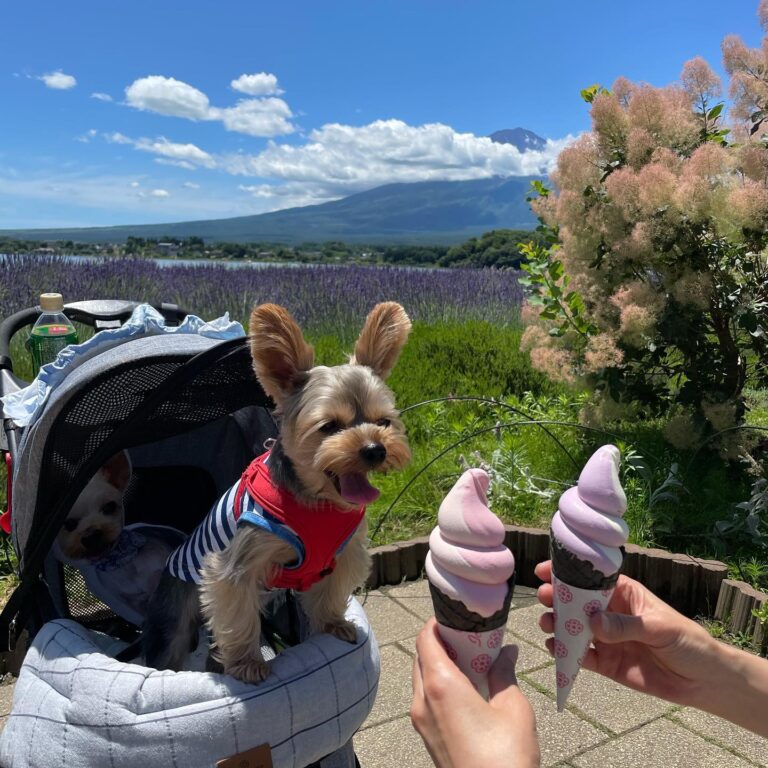
Yorkshire Terriers, affectionately known as Yorkies, are a small breed of dogs with enormous personalities. These pint-sized pups are famous for their silky coats, feisty demeanor, and unwavering loyalty. In this blog post, we’ll explore what makes Yorkies so special, from their history and unique characteristics to why they are cherished companions for many.

1. A Royal Beginning

The Yorkshire Terrier’s history can be traced back to the 19th century in England. Originally bred for catching rats in textile mills, these dogs were gradually refined to become the elegant and stylish companions they are today. Their roots in working-class environments belie the regal air they carry.

2. Petite Paws with a Big Attitude

One of the most notable features of Yorkies is their feisty nature. Despite their small size, they have a big attitude and are often referred to as “big dogs in small bodies.” They are not easily intimidated and will fearlessly stand their ground, making them excellent watchdogs.
3. Low Shedding, High Maintenance

Yorkshire Terriers boast a luxurious, silky coat that doesn’t shed much, making them a popular choice for individuals with allergies. However, this beautiful coat requires regular grooming to prevent matting and maintain its sheen. Many Yorkie owners enjoy pampering their pets with elaborate hairstyles.

4. A Bundle of Energy

Don’t let their size fool you; Yorkies are bundles of energy. They are known for their playful and active nature, and daily exercise and mental stimulation are essential to keep them happy. Whether it’s a brisk walk or a fun game of fetch, Yorkies are always up for some action.

5. Devotion to Their Humans

Yorkies are known for their unwavering loyalty and affection towards their human families. They love being the center of attention and thrive on companionship. These little dogs are often content to sit on your lap or follow you around the house, providing comfort and companionship.

Fecal Content

In conclusion, Yorkies are more than just adorable lap dogs; they are spirited, intelligent, and loving companions. Their history, small size, and enormous personalities make them a unique and delightful addition to any family. If you’re looking for a pint-sized friend with a big heart and a lively spirit, a Yorkshire Terrier might be the perfect choice. These tiny dynamos will bring joy and warmth to your life, proving that the best things come in small packages.

New research from King’s College London has found that seeing or hearing birds is associated with an improvement in mental wellbeing that can last up to eight hours.
This improvement was also evident in people who were diagnosed with depression — the most common mental illness worldwide — indicating the potential role of birdlife in helping those with mental health conditions.
Published in Scientific Reports, the study used a smartphone app called Urban Mind to collect people’s real-time reports of mental wellbeing alongside their reports of seeing or hearing birdsong.

Spring is Coming! Bird Watching Helps People Maintain Mental Hea - RIVER COUNTRY - NEWS CHANNEL NEBRASKA

“There is growing evidence on the mental health benefits of being around nature, and we intuitively think that the presence of birdsong and birds would help lift our mood,” says lead author Ryan Hammoud, from the Institute of Psychiatry, Psychology & Neuroscience (IoPPN) of King’s College London. “However, there is little research that has actually investigated the impact of birds on mental health in real-time and in a real environment. By using the Urban Mind app, we have for the first time showed the direct link between seeing or hearing birds and positive mood. We hope this evidence can demonstrate the importance of protecting and providing environments to encourage birds, not only for biodiversity but for our mental health.”

The study took place between April 2018 and October 2021, with 1,292 participants completing 26,856 assessments using the Urban Mind app, developed by King’s College London, landscape architects J&L Gibbons, and arts foundation Nomad Projects.

6 must see places for birdwatching in Colombia | Kuoda Travel

Participants were recruited worldwide; the majority were from the United Kingdom, the European Union, and the United States.

Sensual stimulation of birdsong

The app asked participants three times a day whether they could see or hear birds, followed by questions on mental wellbeing to enable researchers to establish an association between the two and to estimate how long this association lasted.

The study also collected information on existing diagnoses of mental health conditions and found hearing or seeing birdlife was associated with improvements in mental wellbeing in both healthy people and those with depression. Researchers showed that the links between birds and mental wellbeing were not explained by co-occurring environmental factors such the presence of trees, plants, or waterways.

“The term ecosystem services is often used to describe the benefits of certain aspects of the natural environment on our physical and mental health,” says senior author, Andrea Mechelli, a professor of early intervention in mental health at IoPPN. “However, it can be difficult to prove these benefits scientifically. Our study provides an evidence base for creating and supporting biodiverse spaces that harbor birdlife, since this is strongly linked with our mental health. In addition, the findings support the implementation of measures to increase opportunities for people to come across birdlife, particularly for those living with mental health conditions such as depression.”

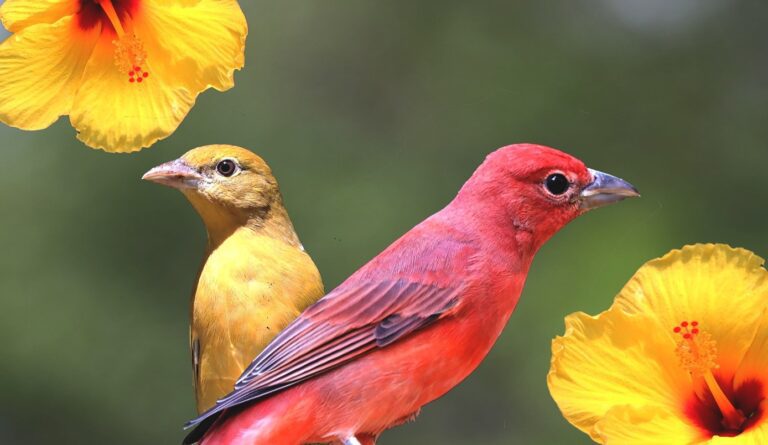
Some Birds Show Different Colors for Different Seasons - Villa San Ignacio | Hotel near San Jose and Alajuela | Costa Rica

Co-author of the study Johanna Gibbons added: “Who hasn’t tuned into the melodic complexities of the dawn chorus early on a spring morning? A multi-sensory experience that seems to enrich everyday life, whatever our mood or whereabouts. This exciting research underpins just how much the sight and sound of birdsong lifts the spirits. It captures intriguing evidence that a biodiverse environment is restorative in terms of mental wellbeing. That the sensual stimulation of birdsong, part of those daily ‘doses’ of nature, is precious and time-lasting.”


Introduction

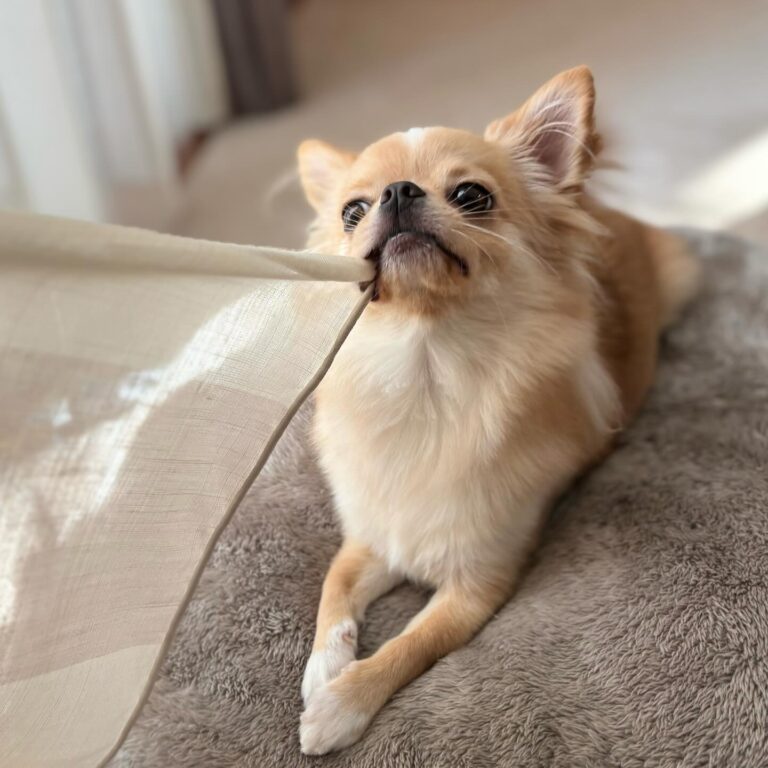
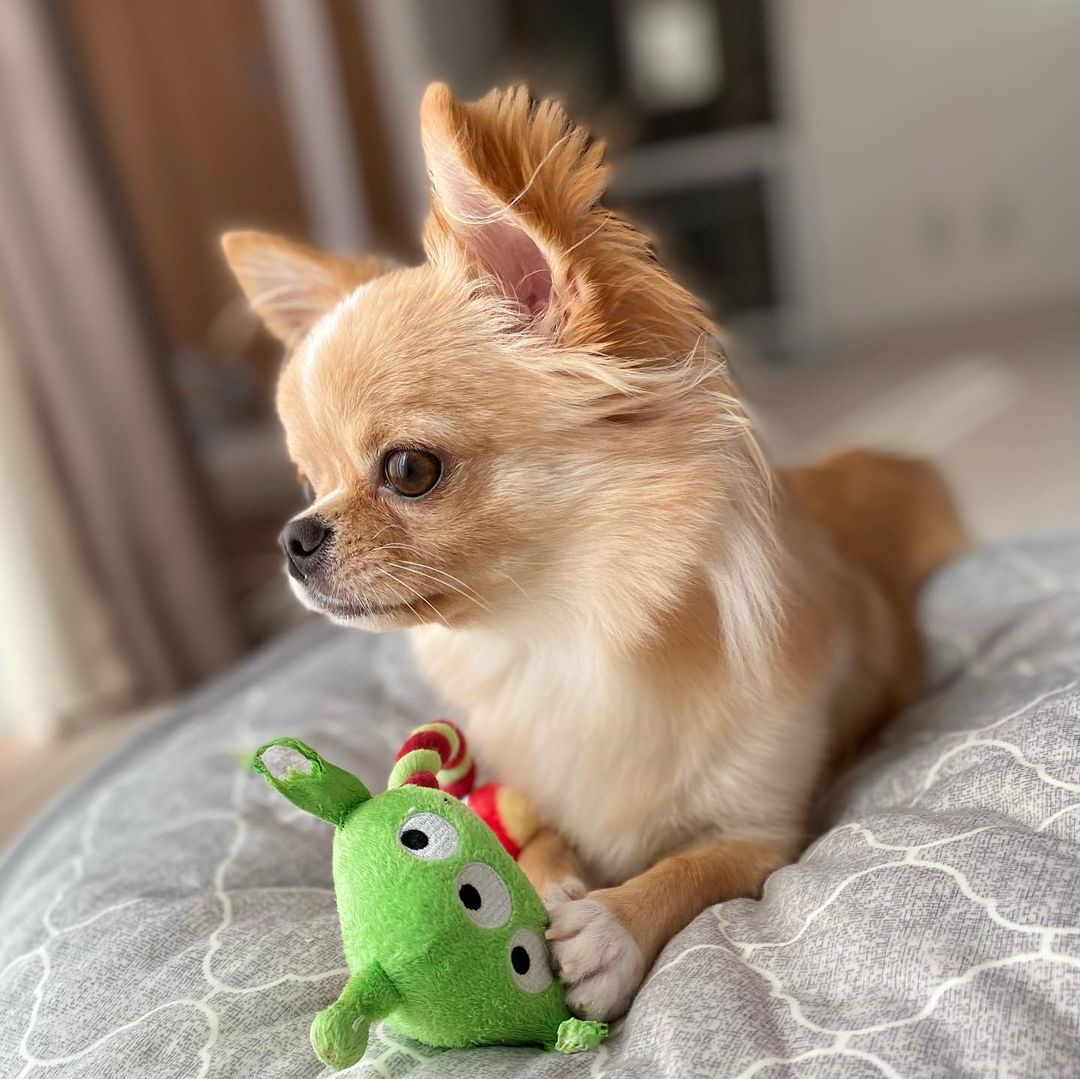
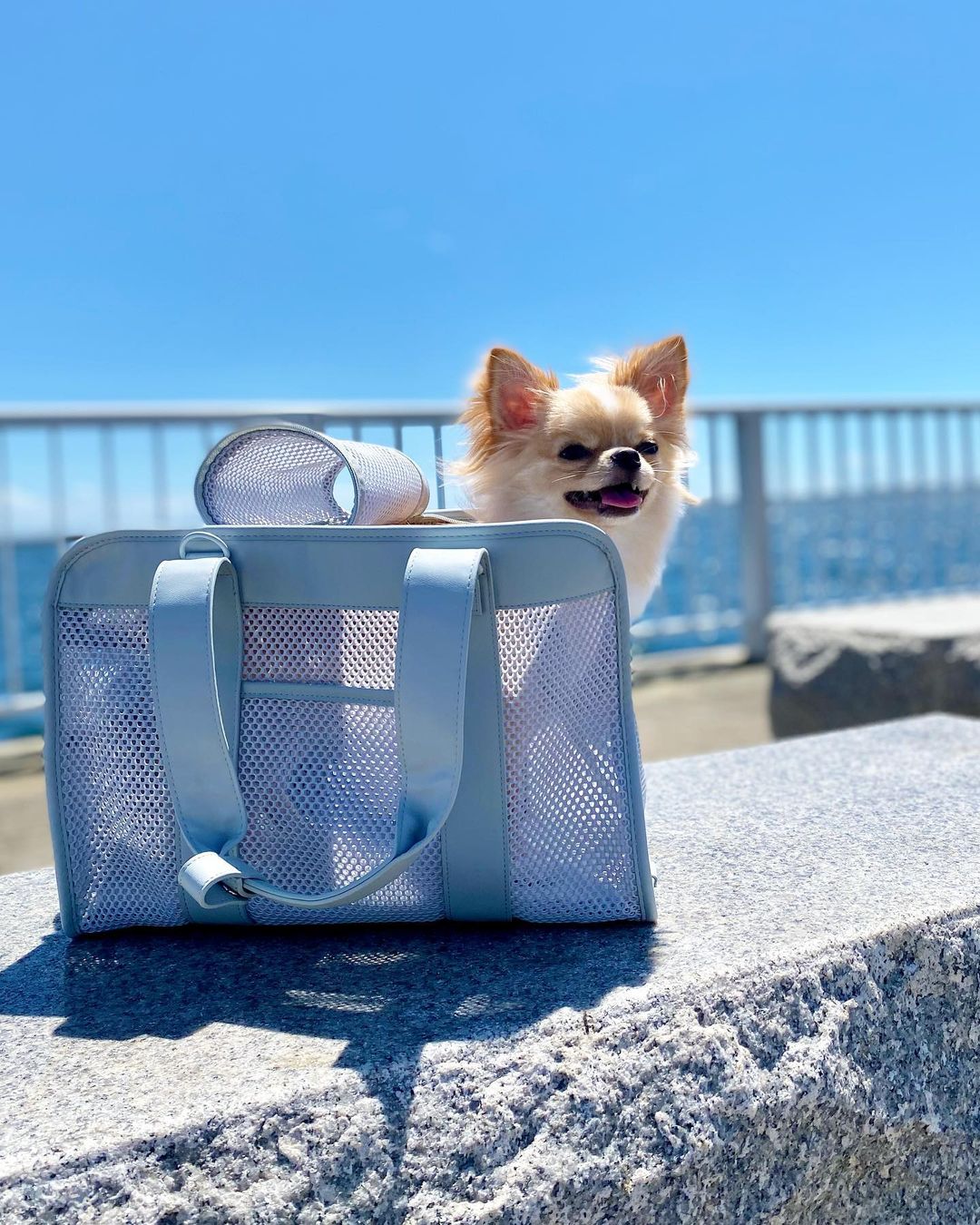
Chihuahua dogs, often referred to as “Chis,” are one of the tiniest and most lovable dog breeds in the world. Known for their diminutive size and big personalities, Chihuahuas have won the hearts of many dog enthusiasts. In this blog post, we’ll take a closer look at these adorable pint-sized pups, exploring their unique characteristics, history, and why they make such wonderful companions.

1. Origin and History

Chihuahuas take their name from the Mexican state of Chihuahua, where the breed was first discovered in the mid-19th century. They are believed to be descendants of the Techichi, a companion dog of ancient Mexican civilizations like the Aztecs. With their rich history, Chihuahuas carry a bit of Mexican culture in their tiny paws.

2. Petite but Packed with Personality

Chihuahuas may be small, but their personalities are larger than life. They are known for their spunky, confident, and often sassy nature. These little dogs are not easily intimidated and will fearlessly defend their families, often believing they are much larger than they actually are.

3. Lap Dogs Extraordinaire

Chihuahuas are true lap dogs. They love nothing more than cuddling up with their owners, providing warmth and affection. Their small size makes them the perfect companions for those in search of an indoor pet that thrives on human interaction.

4. Low Maintenance Grooming

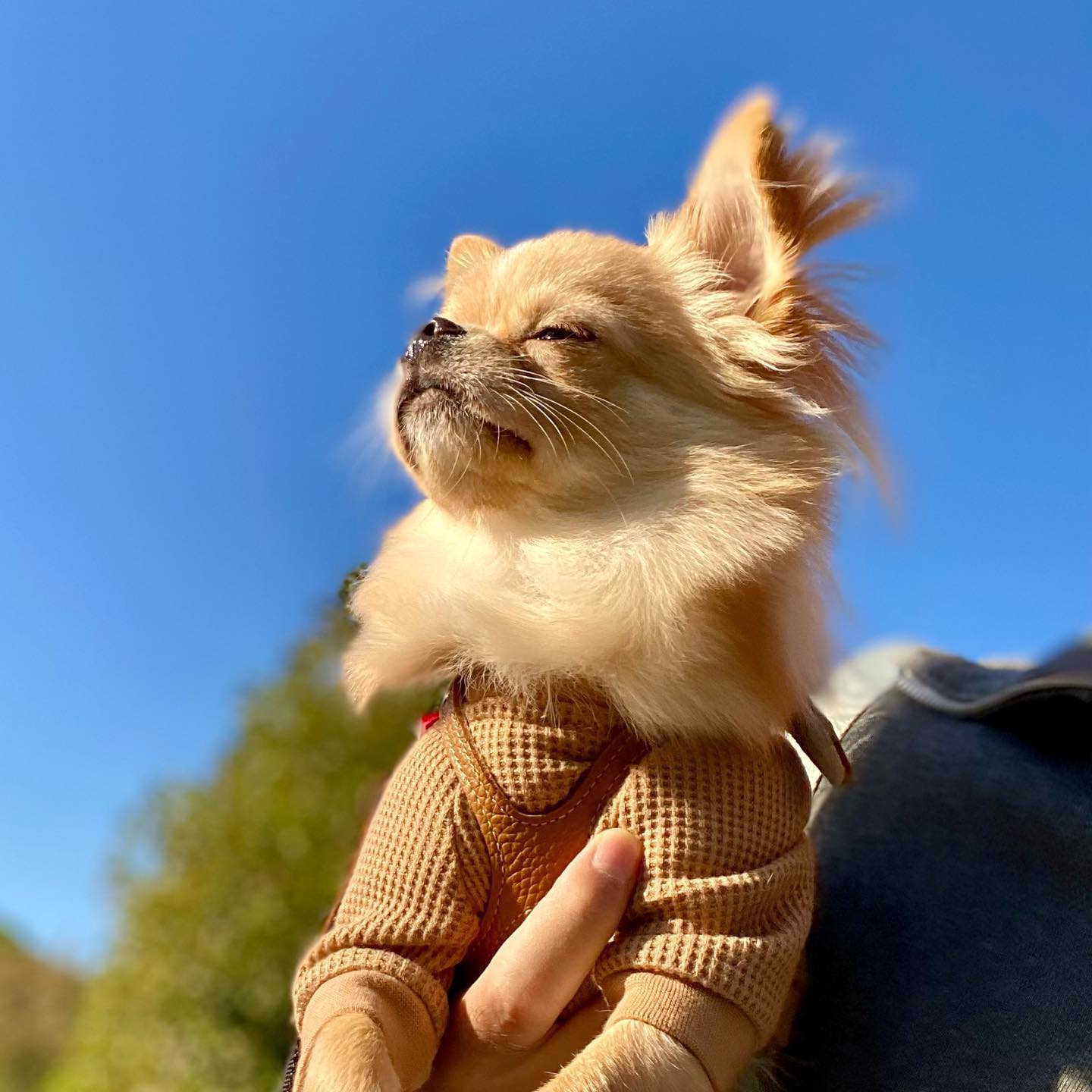
One of the perks of having a Chihuahua is their low-maintenance grooming needs. Their short coat requires minimal brushing, and they are relatively clean dogs. However, they are sensitive to the cold due to their small size, so a doggy sweater can be a fashionable and functional addition to their wardrobe during chilly weather.

5. Big Dogs in Small Bodies

Despite their tiny stature, Chihuahuas often exhibit a surprising amount of confidence and charisma. They can be quite outgoing and make excellent watchdogs, alerting their owners to any potential threats. Their devotion to their families is second to none.

Fecal Content

In conclusion, Chihuahua dogs may be small, but they have big hearts and even bigger personalities. Their rich history, charming character, and loyalty have made them cherished companions for people around the world. If you’re looking for a tiny friend with a huge personality, a Chihuahua might be the perfect addition to your family. These petite pups will fill your life with laughter, love, and lots of memorable moments.

Introduction

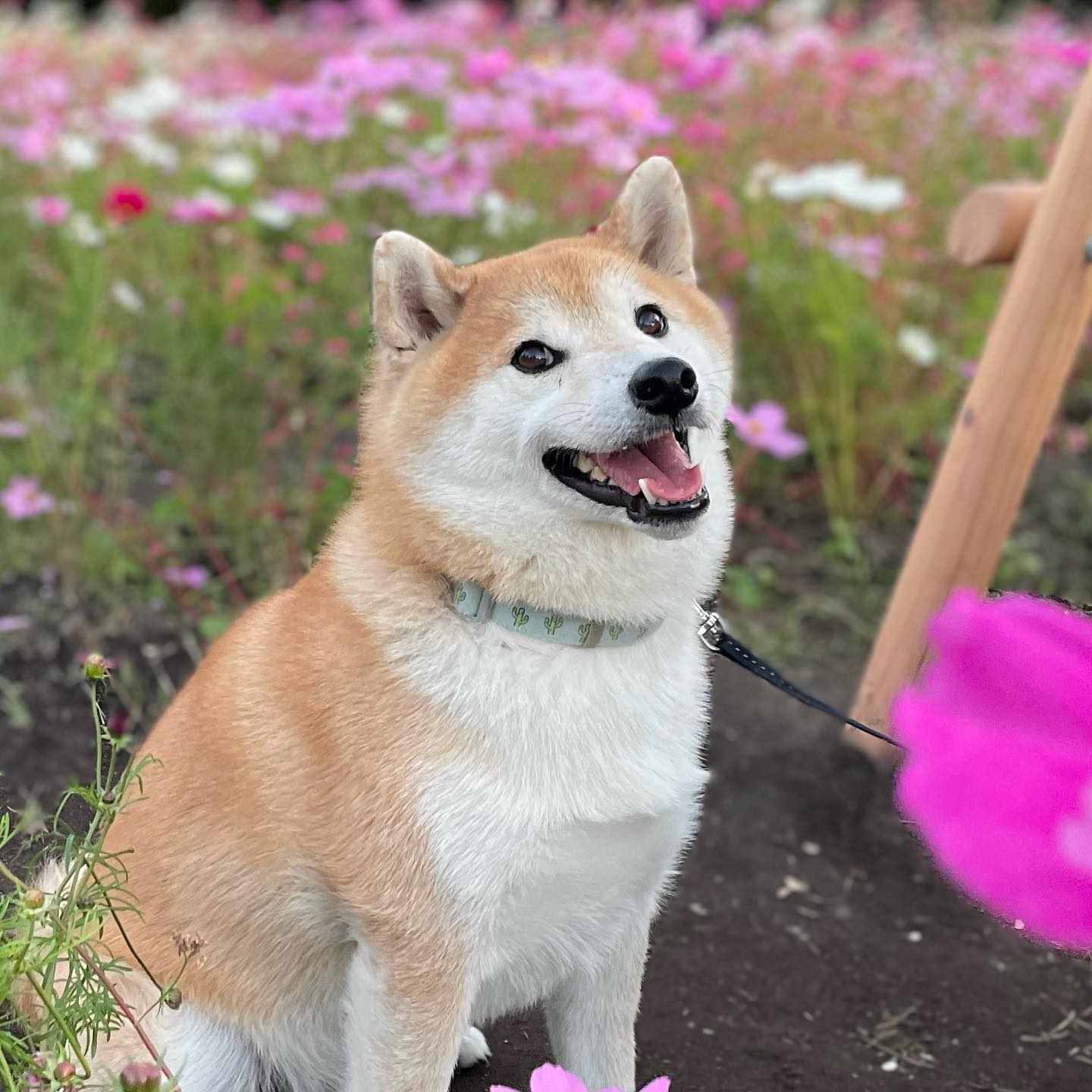
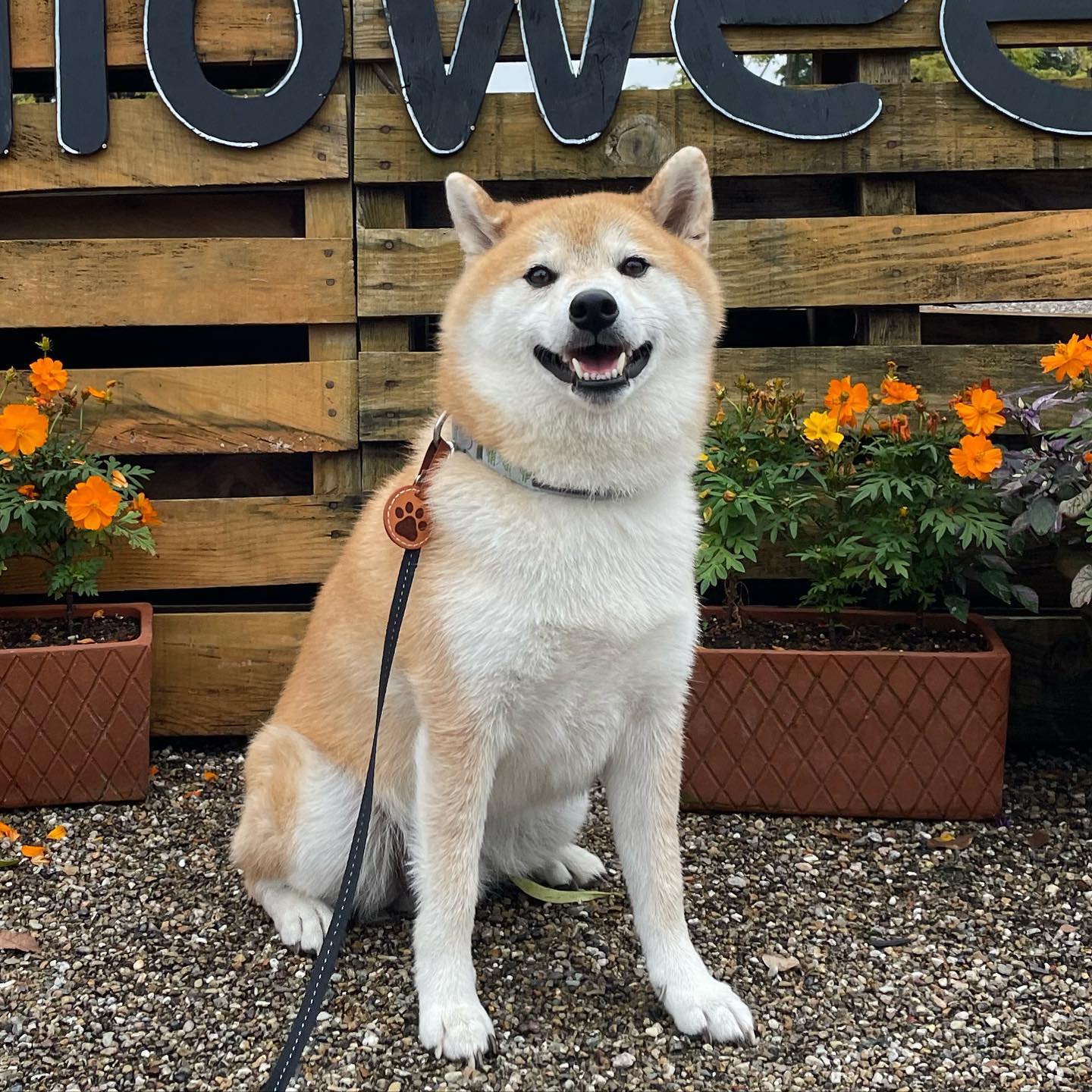
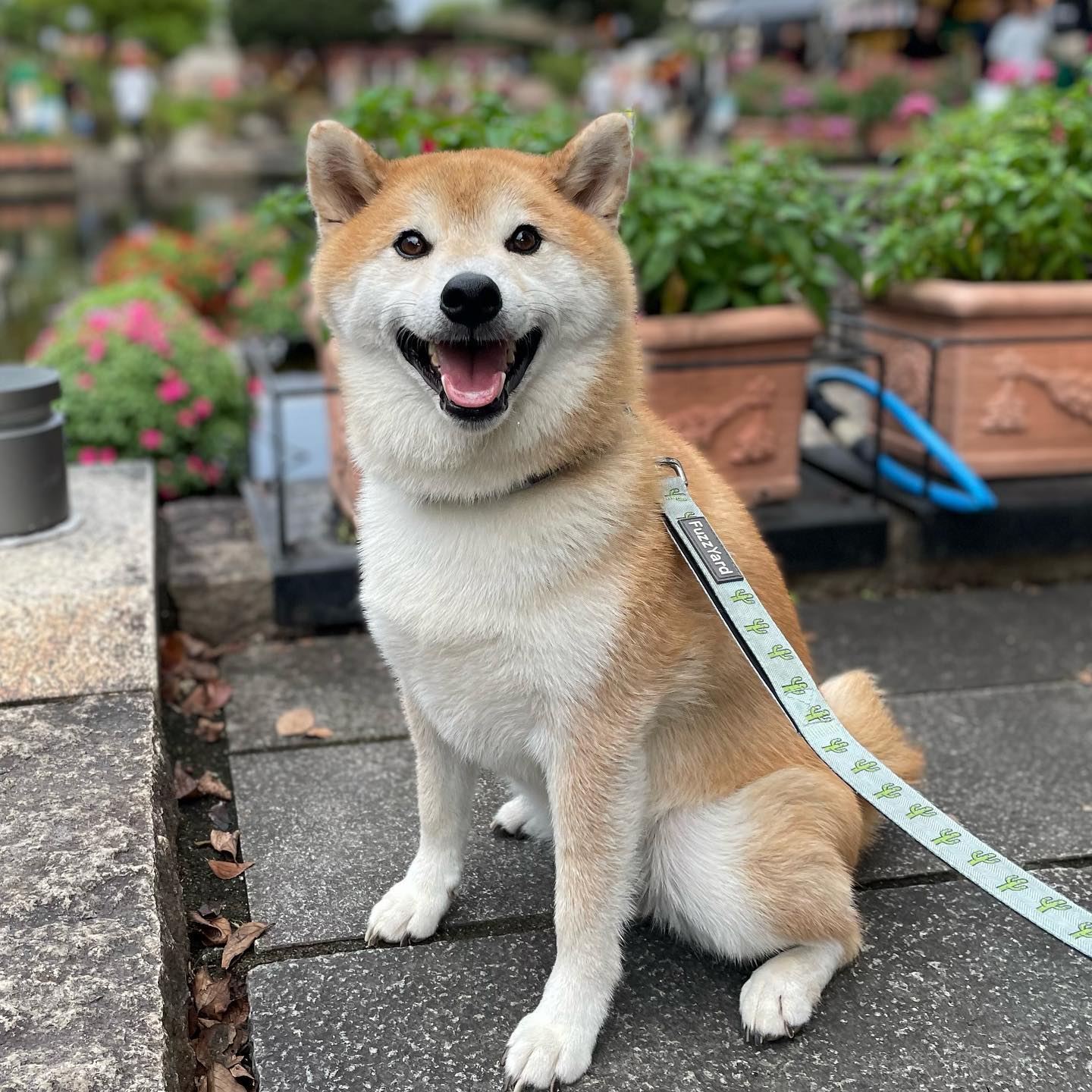
Shiba dogs, often referred to as Shiba Inus, are a captivating breed known for their fox-like appearance, spirited personalities, and unwavering loyalty. Originating from Japan, these dogs have gained international popularity due to their endearing quirks and captivating charm. In this blog post, we’ll dive into the world of Shiba dogs, exploring their unique characteristics, history, and why they have become beloved companions for dog enthusiasts around the globe.

1. A Glimpse into History

Shiba dogs have a history that spans over centuries in Japan. These spirited canines were originally bred for hunting small game in Japan’s rugged terrain. Their name “Shiba Inu” roughly translates to “small dog” in Japanese, which perfectly describes their size and agility.

2. Fox-Like Features

One of the defining characteristics of Shiba dogs is their fox-like appearance. They possess captivating almond-shaped eyes, erect triangular ears, and a curled tail that adds to their charm. This fox resemblance gives them an air of mystery and elegance.

3. Independent Yet Loyal

Shiba dogs are known for their independent nature. They can be quite self-reliant and have a strong sense of individuality. However, this independence doesn’t mean they lack loyalty. Shiba Inus form deep bonds with their owners and are known to be fiercely protective of their families.

4. Spirited and Energetic

Shibas are spirited and energetic dogs. They thrive on regular exercise and mental stimulation. Their playful nature makes them an excellent choice for active individuals and families. Daily walks, playtime, and puzzles are essential to keep these dogs happy and engaged.

5. Cleanliness and Grooming

Shiba dogs are exceptionally clean animals. They have a cat-like instinct for grooming themselves, making them relatively odorless. Their short double coat is easy to maintain, but they do shed, so regular brushing is recommended.

Fecal Content

In conclusion, Shiba dogs have captured the hearts of dog lovers worldwide with their fox-like beauty, independent yet loyal personalities, and spirited nature. These small but mighty canines bring a touch of Japan’s rich history and culture into our lives. If you’re considering a Shiba dog as your next furry family member, be prepared to embrace their uniqueness, enjoy their playful antics, and experience the unwavering loyalty of a remarkable breed that is truly one-of-a-kind.

Neutral living rooms offer a serene, timeless canvas for your home decor. They’re versatile and calming, but sometimes, the initial simplicity can become monotonous. If you find your neutral living room in need of a refresh, there are numerous ways to infuse new life and personality into the space without losing its peaceful ambiance. In this guide, we’ll explore decor refresh ideas to revive your neutral living room.

1. Vibrant Accent Colors: Pops of Life

a. Statement Furniture

Introducing bold, statement furniture is a powerful way to revitalize your neutral living room. Consider a vivid sofa or a set of colorful armchairs to add a burst of energy. The contrast between the bold furniture and the neutral backdrop creates an eye-catching focal point.

b. Playful Throw Pillows and Throws

Another method to incorporate accent colors is through throw pillows and throws. Mix and match cushions in different hues, patterns, and textures. These accessories are easy to swap out when you’re ready for a change.

c. Artwork and Decor

Artwork can bring a living room to life. Consider investing in a large, colorful piece that speaks to your style and complements your decor. Additionally, decorative items like vases, sculptures, and colorful books can add vibrancy to your shelves and coffee tables.

2. Texture and Layers: Adding Depth

a. Textured Wall Coverings

Incorporate texture into your living room by considering textured wall coverings. You can opt for paintable wallpapers, textured paint techniques, or even wall panels for a tactile element that adds depth and interest.

b. Layered Rugs

Layering rugs is a great way to introduce warmth and texture to your living room. Place a bold, patterned rug on top of your neutral base rug for an instant style update.

c. Drapes and Curtains

Update your window treatments with rich and textured fabrics. Velvet, silk, or linen curtains can create an inviting and cozy atmosphere. Don’t forget to choose colors and patterns that complement your accent decor.

3. Greenery: Nature’s Touch

a. Houseplants

Bring the outdoors in by incorporating houseplants into your living room. Their greenery not only adds life to the space but also purifies the air and enhances the atmosphere. Consider a mix of potted plants, hanging plants, and tall potted trees for variety.

b. Floral Arrangements

Fresh or silk floral arrangements can introduce color and a touch of nature to your living room. Consider seasonal blooms to refresh the look throughout the year.

c. Botanical Art

Botanical prints and artwork featuring plants and flowers can be a lovely addition to your walls. They add a natural, calming element to your neutral living room.

4. Functional and Stylish Storage: Tidying Up in Style

a. Decorative Shelving

Replace standard shelves with decorative shelving units that not only serve a storage purpose but also act as display spaces for your decor items, books, and personal mementos.

b. Versatile Furniture

Choose furniture with built-in storage, like ottomans, coffee tables, and media cabinets. These pieces allow you to keep your living room clutter-free while also adding functionality.

c. Statement Storage

If you prefer to make a statement, invest in a unique storage piece like a vintage armoire or a modern sideboard. These pieces can be both functional and decorative.

Home Decoration and Arrangement

To ensure your decor refresh harmonizes with the overall home decoration and arrangement, keep these key points in mind:

1. Cohesive Color Scheme

Maintain a cohesive color scheme that connects your refreshed living room with the rest of your home. The accent colors you choose should complement your home’s existing palette.

2. Consistent Style

Ensure that the style of your refreshed living room aligns with the overall decor style of your home. Whether it’s modern, traditional, or eclectic, consistency is key.

3. Flow and Balance

Consider the flow and balance of your living room within the context of your home’s layout. Ensure that your refreshed decor enhances the overall harmony of your living space.

4. Personal Touch

Finally, don’t forget to infuse your unique personality and personal touches into your living room decor. It’s your space, and it should reflect your individual style and preferences.

In conclusion, reviving your neutral living room with a decor refresh can breathe new life into the space while maintaining its tranquil ambiance. By adding vibrant accent colors, introducing texture and layers, incorporating greenery, and incorporating stylish storage, you can transform your living room into a more dynamic and engaging environment. To ensure the decor refresh aligns with your home decoration and arrangement, maintain a cohesive color scheme, style consistency, flow, and balance while infusing your personal touch. With these ideas, your neutral living room can be a refreshed and revitalized space that you’ll love spending time in.