Skip to content

Introduction

Husky dogs are more than just a pretty face; they are a breed that captures the hearts of dog enthusiasts worldwide. Known for their striking appearance, friendly demeanor, and spirited personality, Huskies are a breed that has become a symbol of love and loyalty. In this blog post, we’ll explore the captivating world of Husky dogs, delving into their history, unique characteristics, and why they make wonderful companions for dog lovers everywhere.

1. A Rich History

Husky dogs have a rich history that dates back to ancient Siberia. They were originally bred by the Chukchi people, an indigenous group in Siberia, to help with transportation and provide companionship. These dogs have been integral to the survival of their human companions in harsh Arctic conditions.

2. Stunning Appearance

One of the most remarkable features of Huskies is their stunning appearance. Their striking blue or multicolored eyes, thick double coats, and distinctive facial markings set them apart. The Siberian Husky is known for its wolf-like appearance, making it one of the most visually captivating breeds.

3. Adventurous and Energetic

Huskies are known for their boundless energy and love for adventure. These dogs are bred to be sled dogs, and their endurance and enthusiasm for physical activities are unparalleled. They thrive on regular exercise, making them an ideal choice for active individuals or families who enjoy outdoor activities.

4. Sociable and Playful

Huskies are famously sociable and playful. They have a friendly disposition and often get along well with other dogs and people. Their playful nature makes them excellent companions for families, and their love for human interaction means they enjoy being part of the family’s daily activities.

5. Independent Thinkers

Despite their friendly nature, Huskies are also known for their independent thinking. They are clever dogs who can sometimes be a bit stubborn. This means that training them requires patience and consistency, but the reward is a well-behaved and loyal companion.

Fecal Content

In conclusion, Husky dogs are more than just beautiful canines; they are intelligent, spirited, and loyal friends who are always up for an adventure. If you’re looking for a dog that will fill your life with love, laughter, and unforgettable moments, a Husky may be the perfect addition to your family. These huggable Huskies are a testament to the incredible bond that can exist between humans and their four-legged companions.

A dedicated reading room is a haven for book lovers and those seeking a quiet escape from the hustle and bustle of daily life. This personalized sanctuary offers a place to immerse yourself in your favorite stories and unwind. In this guide, we’ll explore how to decorate your home’s reading room to make it a cozy and inviting space that enhances your reading experience.

1. Selecting the Right Space

Choosing the right location for your reading room is crucial. Consider the following factors when selecting the perfect space:

a. Natural Light

Opt for a room with ample natural light. Large windows or French doors can bring in daylight and create an inviting atmosphere for reading.

b. Quiet and Secluded

Select a room that’s away from noisy areas of the house. A reading room should offer a sense of peace and solitude, allowing you to focus on your books.

c. Comfortable Seating

Ensure there’s enough room for comfortable seating. Whether it’s a cozy armchair, a chaise lounge, or a window seat, comfortable seating is essential for extended reading sessions.

2. Comfortable Seating and Cozy Furnishings

a. Comfy Chairs and Sofas

Invest in comfortable, plush chairs and sofas that invite you to sit for hours. Consider ergonomics and choose furniture that supports your back and provides a cozy reading nook.

b. Throw Blankets and Cushions

Accessorize your seating with throw blankets and cushions. These not only add comfort but also introduce texture and color to the room.

c. Ottoman or Side Table

A side table or ottoman is a handy addition for placing your books, a cup of tea, or reading glasses. Choose one that complements the room’s style and serves a practical purpose.

3. Creating a Reading Nook

a. Bookshelves

No reading room is complete without bookshelves. Customize the shelving to fit your collection, and arrange your books in an organized and visually pleasing manner.

b. Adequate Lighting

Proper lighting is essential for reading. Incorporate table lamps, floor lamps, or adjustable wall-mounted lights to ensure well-lit reading nooks.

c. Personal Touches

Add personal touches to your reading nook with artwork, family photos, and cherished mementos. This makes the space feel warm and inviting.

4. Decor and Ambiance

a. Color Scheme

Choose a color scheme that promotes relaxation and focus. Soothing colors like soft blues, greens, and neutrals are great choices.

b. Curtains and Drapes

Opt for curtains or drapes that can be drawn to create a cozy atmosphere when you want to read in solitude.

c. Rugs and Carpets

A soft, plush rug or carpet can add warmth to the room and define the reading space within a larger room.

Home Decoration and Arrangement

When decorating your home’s reading room, consider how it aligns with the overall decoration and arrangement of your home:

1. Consistency in Style

Ensure that the decor of your reading room aligns with the overall design style of your home. Whether it’s traditional, contemporary, or eclectic, a consistent style creates harmony.

2. Color Coordination

Coordinate the color palette of your reading room with the adjacent spaces in your home. A harmonious color transition creates a cohesive flow throughout your living space.

3. Accessorize Thoughtfully

Incorporate accessories that complement your overall home decor. Decorative items, art, and furnishings should harmonize with the room’s style.

4. Personal Touch

Infuse your reading room with your unique personality. Display your favorite books, artwork, or personal items that bring joy and reflect your interests.

In conclusion, decorating your home’s reading room is a wonderful opportunity to create a cozy and inviting space where you can escape into the world of literature. Selecting the right location, comfortable seating, and cozy furnishings is essential for creating a haven for reading. By paying attention to decor and ambiance, you can set the mood for an enriching reading experience. To ensure the reading room fits seamlessly into your home decoration and arrangement, maintain consistency in style and color coordination while adding personal touches that reflect your individuality. With a thoughtfully decorated reading room, you’ll have a perfect getaway for relaxation and literary exploration within the comfort of your own home.

Have you ever seen any of these spectacular “lifer birds?”

To an avid birder, a lifer bird is a special event sighting, worthy of photos and sharing on social media. What it means is they observed a new (to them) species for the first time in their birding lives.

Some keep a list of birds they hope to see in their lifetimes and will travel thousands of miles for a chance to make it happen. But sometimes, luck is on their side, and a rare bird simply appears when they least expect it.

The continental U.S. and Canada are home to 700 bird species, so there’s always a chance you’ll see something “new,” even if you’re not actively looking. Here’s a sampler of some of the stunning birds that have launched many a birder’s quest:

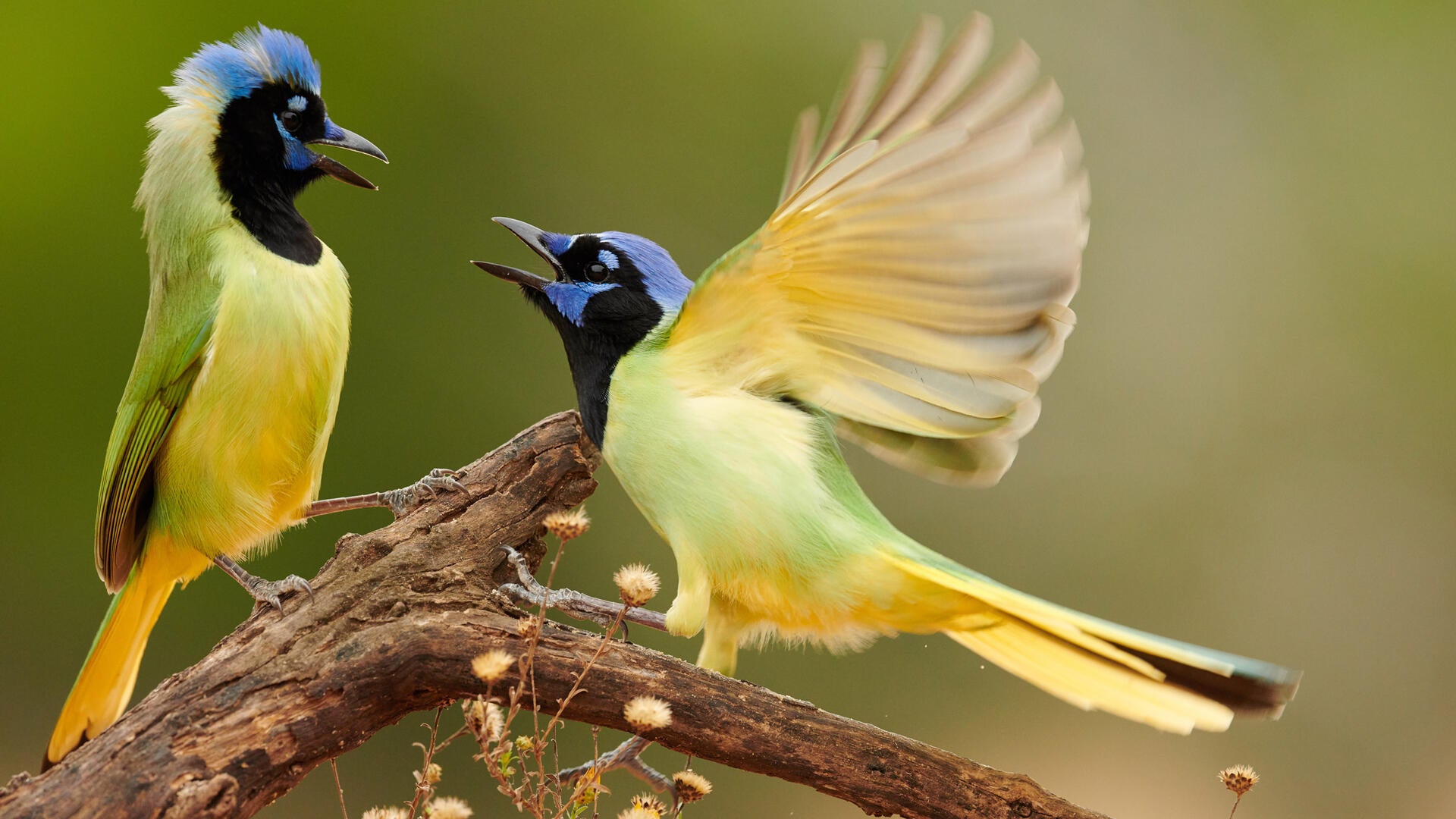
To see a Green Jay in the U.S., you will have to travel to the southernmost part of Texas and hope you can catch a glimpse of this brilliant bird. BrianLasenby / iStock / Getty Images Plus

Green Jay

Green Jay | Audubon Field Guide

These brilliant blue and green corvids leverage sticks to reach insects under tree bark, making them one of the rare North American birds to use tools. They’re found throughout Mexico. Still, birders travel to the Santa Ana National Wildlife Refuge nestled in the southeastern point of Texas just for a chance to see them.

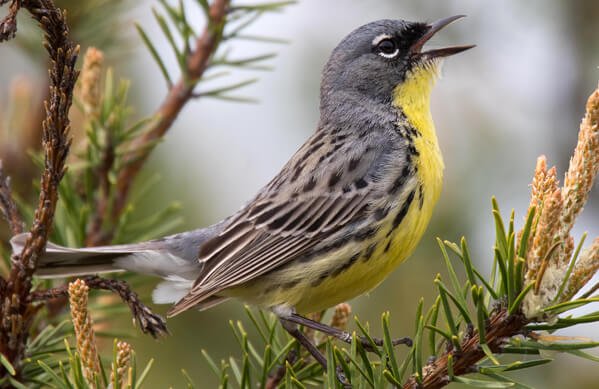
Kirtland’s Warblers can be found in the jack pine forests of Michigan and Wisconsin, traveling south to the Bahamas for winter. Carol Hamilton / iStock / Getty Images Plus

Kirtland’s Warbler

Kirtland's Warbler - American Bird Conservancy

Dark gray with a lemon-yellow breast, look for this beauty in the jack pine forests of Michigan and Wisconsin. But keep an eye out during its migration to the southeastern coast as they reach their winter home in the Bahamas.

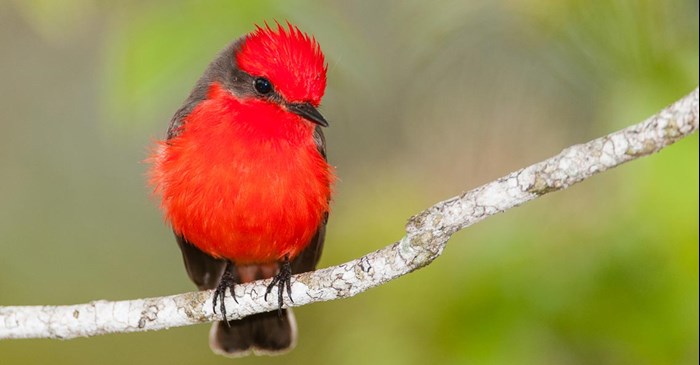
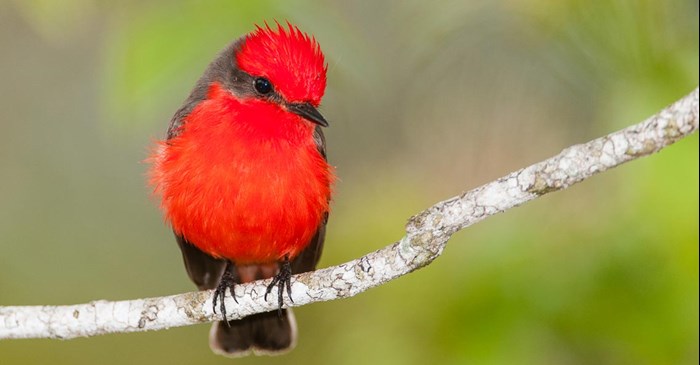
Travel south along the Gulf of Mexico and along the southern U.S. to catch a glimpse of this fiery red and deep brown bird. Neil bowman / iStock / Getty Images Plus

Vermilion Flycatcher

Vermilion Flycatcher | Audubon Field Guide

This scarlet bird with black wings and a face mask can be found along the rivers in Texas, Arizona, and New Mexico, along with the Gulf of Mexico. During courtship, the male presents the female with a butterfly or some other showy insect.

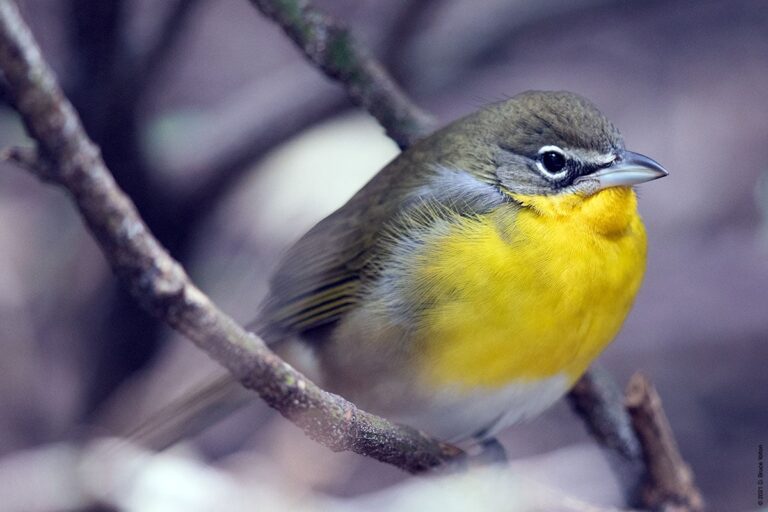
While they live in many areas throughout the U.S., the Yellow-breasted Chat can be difficult to find as it lives in dense, shrubby habitats. WilliamSherman / iStock / Getty Images Plus

Introduction

In the world of canines, few breeds are as beloved and cherished as the tiny Poodle. With their endearing size and elegant demeanor, these pint-sized pups have captured the hearts of dog enthusiasts worldwide. In this blog post, we’ll delve into the captivating world of the tiny Poodle, exploring their history, unique characteristics, and why they make fantastic companions for dog lovers of all ages.

1. A Brief History

The Poodle’s lineage can be traced back to Germany, where they were initially bred for water retrieving. They are known for their intelligence and versatility. While the standard Poodle is larger and has its own charm, the tiny Poodle, often referred to as the Toy Poodle, is equally impressive in its own right.

2. Petite and Stylish

One of the most striking features of tiny Poodles is their petite size and stylish appearance. With their curly, hypoallergenic coats and distinctive topknots, they resemble living works of art. Tiny Poodles come in various coat colors, adding to their visual appeal.

3. Intelligent and Easy to Train

Tiny Poodles are exceptionally intelligent and easy to train, making them a popular choice for dog owners. They excel in obedience training, agility, and even as therapy dogs. Their quick-witted nature ensures that they learn commands swiftly, and their desire to please their owners makes them a delight to train.

4. Loving and Affectionate

Despite their small stature, tiny Poodles have hearts full of love and affection. They form strong bonds with their owners and thrive on companionship. Their gentle and friendly disposition makes them fantastic family pets and ideal for those seeking a loyal and loving canine companion.

5. A Big Personality in a Tiny Package

Tiny Poodles are known for their larger-than-life personalities. They are often described as “big dogs in small bodies” due to their confidence, playfulness, and spirited nature. They enjoy a range of activities, from interactive playtime to leisurely walks.

Fecal Content

The tiny Poodle, with its charming elegance and lovable personality, is proof that the best things come in small packages. These dogs offer companionship, intelligence, and an abundance of love to those who welcome them into their homes. Whether you’re looking for a devoted family pet or a stylish and intelligent sidekick, the tiny Poodle is a breed that ticks all the boxes.

Bringing the outdoors in is a timeless interior design concept that never goes out of style. Nature’s elements have a unique ability to breathe life into your living spaces, creating a sense of tranquility and harmony. In this guide, we’ll explore the art of incorporating natural elements into your home, transforming your living space into a serene and refreshing sanctuary.

1. The Power of Wood: Warmth and Texture

a. Wooden Furniture

Wooden furniture, such as tables, chairs, and cabinets, can infuse your home with warmth and character. The natural grain and texture of wood add an earthy and inviting touch to your decor. Whether you prefer the sleek lines of modern furniture or the rustic charm of reclaimed wood pieces, wooden furniture is a versatile addition.

b. Wood Accents

Wooden accents like picture frames, mirrors, and shelving can introduce small but impactful natural touches to your home. These pieces can blend seamlessly with various design styles and color palettes, bringing a touch of the outdoors to any room.

c. Exposed Wood Beams

If your home architecture allows, exposed wooden beams can create a rustic and cozy atmosphere. They not only add visual interest but also bring a sense of nature indoors.

2. Tranquil Greens: Houseplants and Botanical Decor

a. Houseplants

Houseplants are the quintessential way to incorporate nature into your home. They not only bring vibrant shades of green but also purify the air and promote a sense of well-being. Consider a variety of plant types, from low-maintenance succulents to lush ferns and elegant fiddle leaf figs.

b. Botanical Prints and Artwork

Incorporate botanical prints and artwork featuring leaves, flowers, or trees. These pieces can hang on your walls or rest on shelves, adding a touch of nature’s beauty to your decor.

c. Terrariums and Planters

Terrariums and planters filled with small succulents or air plants can be scattered throughout your home, from windowsills to coffee tables. They create miniature ecosystems that are both visually appealing and easy to maintain.

3. Stones and Minerals: Earthy Elegance

a. Stone Countertops and Surfaces

Stone countertops, such as granite or marble, bring natural beauty and durability to your kitchen and bathrooms. They add an elegant and timeless touch to these functional spaces.

b. Crystals and Minerals

Crystals and minerals can serve as both decor and sources of positive energy. Place clusters of amethyst or quartz on bookshelves, coffee tables, or as centerpieces to create an eye-catching display.

c. Natural Stone Tiles

Natural stone tiles, like slate, travertine, or limestone, can be used for flooring or as wall coverings. They introduce texture and a sense of the earth’s raw beauty into your home.

4. Water Elements: Soothing Serenity

a. Indoor Water Features

Indoor water features, such as fountains or tabletop water gardens, add a tranquil ambiance to your home. The gentle sound of flowing water can create a calming environment.

b. Decorative Bowls and Vases with Water

Decorative bowls or vases filled with water and floating flowers or candles can serve as eye-catching and serene centerpieces. These elements add a sense of fluidity to your decor.

c. Bathroom Oasis

Transform your bathroom into a spa-like oasis with natural stone tiles, a rainfall showerhead, and a deep soaking tub. These elements create a retreat for relaxation and self-care.

Home Decoration and Arrangement

To ensure that the incorporation of natural elements harmonizes with your home decoration and arrangement, consider the following:

1. Consistency in Style

Maintain consistency in design style throughout your home. Whether your decor is modern, traditional, or eclectic, incorporating natural elements can complement any style.

2. Color Coordination

Coordinate the color palette of your natural elements with the adjacent spaces in your home. A harmonious color transition creates a cohesive flow throughout your living space.

3. Thoughtful Placement

Place natural elements strategically in your home to enhance the overall decor. Thoughtful arrangement can create a harmonious and inviting atmosphere.

4. Personal Touch

Incorporate your unique personality and preferences into your home’s decor. Personal touches can add character and make your space truly your own.

In conclusion, incorporating natural elements into your home is a timeless and refreshing approach to interior design. From the warmth of wood to the tranquility of greenery, the earthy elegance of stones and minerals, and the soothing serenity of water elements, these natural features can transform your living spaces into peaceful sanctuaries. To ensure that these elements align with your home decoration and arrangement, maintain consistency in style, coordinate colors, place them thoughtfully, and infuse your unique personality into the decor. Embracing nature’s beauty within your home will bring a sense of serenity and harmony to your living spaces that you’ll cherish for years to come.

Introduction

Cocker dogs, known for their affectionate nature and gorgeous long ears, have earned a special place in the hearts of dog lovers worldwide. In this blog post, we’ll explore the world of Cocker dogs, from their history and distinctive characteristics to their role as beloved family pets. These charming canines are more than just a pretty face; they offer unwavering loyalty, boundless love, and a dash of charisma that’s impossible to resist.

1. A Rich History

The Cocker dog, or more formally known as the American Cocker Spaniel, has a history that can be traced back to its European ancestors. These dogs were originally bred as hunting companions in Spain, and later, their American counterparts were refined to excel in flushing out game birds. Today, they have retained their hunting instincts and are admired for their enthusiastic spirit.

2. Distinctive Elegance

One of the most striking features of Cocker dogs is their elegant appearance. Their long, pendulous ears, soulful eyes, and silky, wavy coats make them stand out in a crowd. Whether they’re frolicking in the park or lounging on the couch, Cocker dogs exude an irresistible charm.

3. A Loving and Social Nature

Cocker dogs are renowned for their affectionate and social personalities. They thrive on human interaction and quickly become attached to their families. Their friendly disposition makes them excellent companions for families, singles, and seniors alike.

4. Energetic and Playful

While Cocker dogs have a reputation for being cuddly, they are also quite energetic and playful. They love outdoor adventures, playtime, and exercise. Whether it’s a game of fetch or a hike in the woods, Cocker dogs are always up for an adventure.

5. Loyal and Devoted

The loyalty and devotion of Cocker dogs to their human families are unmatched. They form strong bonds with their owners and often act as protectors and comforters. Their unwavering love is a source of joy and companionship for those lucky enough to have them in their lives.

Fecal Content

In the world of dogs, the Cocker dog stands out not only for its stunning appearance but also for its warm and loving personality. These charismatic canines bring joy and companionship to all who have the privilege of sharing their lives with them. Whether they’re on the hunt for birds or simply cuddling on the couch, Cocker dogs offer a unique blend of elegance, affection, and playfulness that makes them cherished members of countless families.

Coastal villas, nestled along the shores of glistening waters, have an undeniable charm that captivates the hearts of many. These serene and stylish abodes offer a unique lifestyle that combines the beauty of the ocean with the comforts of home. In this guide, we’ll explore the irresistible allure of coastal villas, their enchanting features, and how to recreate their essence in your own home.

1. Spectacular Seascapes: Nature’s Masterpiece

a. Panoramic Ocean Views

One of the most enchanting aspects of coastal villas is the breathtaking ocean views that greet you each day. The vast expanse of water, with its ever-changing colors and moods, becomes a natural masterpiece you can admire from the comfort of your home.

b. Sunrises and Sunsets

Coastal living grants you the privilege of witnessing awe-inspiring sunrises and sunsets over the water. The tranquil beauty of these daily events becomes an integral part of your life, offering moments of reflection and serenity.

c. Fresh Sea Breezes

The gentle, salty sea breezes that waft through coastal villas create an atmosphere of relaxation and rejuvenation. These breezes not only refresh your home but also bring the calming scents of the ocean indoors.

2. Open and Airy Living Spaces: Elegance in Simplicity

a. Light-Filled Interiors

Coastal villas often feature open and airy living spaces that capitalize on natural light. Large windows and open floor plans allow the sunlight to flood in, creating a warm and welcoming ambiance.

b. Neutral Color Palettes

Neutral color palettes are a hallmark of coastal decor. Crisp whites, soft blues, and sandy beiges dominate the interior, creating a sense of tranquility and a connection to the ocean’s hues.

c. Natural Materials

The use of natural materials, such as wood, wicker, and stone, reinforces the coastal aesthetic. These elements add texture and warmth to the decor, making the space feel grounded and inviting.

3. Outdoor Retreats: Expansive Terraces and Gardens

a. Waterfront Terraces

Coastal villas often boast expansive terraces that provide the perfect space for outdoor living. These areas are ideal for dining al fresco, lounging, or simply enjoying the breathtaking views.

b. Lush Gardens

Many coastal villas feature lush gardens that serve as an extension of the home’s interior. These gardens are meticulously landscaped to create a harmonious blend of nature and architecture.

c. Infinity Pools

Infinity pools that seem to spill into the ocean are a signature feature of coastal villas. They provide a place to cool off, relax, and soak in the beauty of the surroundings.

4. Nautical Decor and Details: Bringing the Coast Home

a. Nautical Elements

Nautical decor elements like anchors, ropes, and driftwood can be incorporated into your home’s decor to capture the coastal villa aesthetic. These pieces add a touch of maritime charm.

b. Beachy Accessories

Seashells, beachcombed treasures, and beach-themed artwork can adorn your home, bringing the coast’s whimsy into your living space.

c. Coastal-Inspired Furniture

Furniture with a coastal flair, such as wicker or rattan chairs and tables, can create a relaxed and inviting atmosphere. Consider incorporating pieces that reflect the seaside style.

Home Decoration and Arrangement

While you may not have a coastal villa, you can recreate its essence in your home decor and arrangement:

1. Coastal Color Palette

Choose a coastal color palette that includes soft blues, whites, and sandy beiges. These hues can be applied to your walls, furnishings, and decor items.

2. Nautical Decor

Incorporate nautical decor elements like shells, ropes, and anchors in your home’s decor. These accents can add a touch of coastal charm to any room.

3. Beachy Accessories

Display beachy accessories such as seashells, driftwood, or beach-themed artwork. These items can be placed on shelves, tables, or hung on the walls.

4. Natural Materials

Select furniture and decor made from natural materials like wood, wicker, and rattan. These elements can add texture and warmth to your living spaces.

In conclusion, the allure of coastal villas lies in their spectacular seascapes, open and airy living spaces, outdoor retreats, and nautical decor. While you may not own a coastal villa, you can infuse your home with the essence of this tranquil paradise. By embracing coastal color palettes, nautical decor, beachy accessories, and natural materials, you can create a living space that mirrors the relaxed elegance of coastal living. Whether you live by the sea or miles inland, the coastal villa aesthetic can be your daily escape to a world of serene beauty and timeless charm.

Top 5 Once In A Lifetime Songbirds

Have you ever seen any of these spectacular “lifer birds?”

To an avid birder, a lifer bird is a special event sighting, worthy of photos and sharing on social media. What it means is they observed a new (to them) species for the first time in their birding lives.

Some keep a list of birds they hope to see in their lifetimes and will travel thousands of miles for a chance to make it happen. But sometimes, luck is on their side, and a rare bird simply appears when they least expect it.

The continental U.S. and Canada are home to 700 bird species, so there’s always a chance you’ll see something “new,” even if you’re not actively looking. Here’s a sampler of some of the stunning birds that have launched many a birder’s quest:

To see a Green Jay in the U.S., you will have to travel to the southernmost part of Texas and hope you can catch a glimpse of this brilliant bird. BrianLasenby / iStock / Getty Images Plus

Green Jay

Green Jay | Audubon Field Guide

These brilliant blue and green corvids leverage sticks to reach insects under tree bark, making them one of the rare North American birds to use tools. They’re found throughout Mexico. Still, birders travel to the Santa Ana National Wildlife Refuge nestled in the southeastern point of Texas just for a chance to see them.

Kirtland’s Warblers can be found in the jack pine forests of Michigan and Wisconsin, traveling south to the Bahamas for winter. Carol Hamilton / iStock / Getty Images Plus

Kirtland’s Warbler

Kirtland's Warbler - American Bird Conservancy

Dark gray with a lemon-yellow breast, look for this beauty in the jack pine forests of Michigan and Wisconsin. But keep an eye out during its migration to the southeastern coast as they reach their winter home in the Bahamas.

Travel south along the Gulf of Mexico and along the southern U.S. to catch a glimpse of this fiery red and deep brown bird. Neil bowman / iStock / Getty Images Plus

Vermilion Flycatcher

Vermilion Flycatcher | Audubon Field Guide

This scarlet bird with black wings and a face mask can be found along the rivers in Texas, Arizona, and New Mexico, along with the Gulf of Mexico. During courtship, the male presents the female with a butterfly or some other showy insect.

While they live in many areas throughout the U.S., the Yellow-breasted Chat can be difficult to find as it lives in dense, shrubby habitats. WilliamSherman / iStock / Getty Images Plus

Yellow-breasted Chat

Yellow-breasted Chat - Urban Hawks

While widespread across the continental U.S., you have to look hard to catch sight of these striking little birds. They spend their summers in dense, shrubby habitats, searching for spiders and other insects.

ntroduction

Bull dogs, with their distinctive appearance and endearing personalities, have captured the hearts of dog enthusiasts around the world. These iconic breeds, known for their wrinkled faces and unmistakable jowls, offer more than just a unique appearance; they provide unwavering loyalty and boundless love to their human companions. In this blog post, we’ll delve into the world of bull dogs, exploring their history, characteristics, and the special place they hold in the world of dog lovers.

1. A Breed Steeped in History

The bull dog’s roots run deep in history. Originally bred for bull-baiting in 17th-century England, they were known for their tenacity and courage. Over time, the breed’s role shifted, and they became cherished companions, shedding their aggressive past. Today, bull dogs symbolize determination, loyalty, and resilience.

2. An Iconic Appearance

One cannot discuss bull dogs without mentioning their iconic appearance. Their wrinkled skin, expressive faces, and unique jowls give them an unforgettable charm. While their appearance may seem comical to some, bull dogs’ looks are a testament to their unique character and history.

3. A Loving and Protective Nature

Despite their tough exterior, bull dogs are renowned for their loving and protective nature. They form strong bonds with their human families and are often referred to as “gentle giants.” Bull dogs are not only affectionate but also fiercely protective, making them excellent family pets.

4. A Resilient Spirit

Bull dogs have a reputation for their resilience. They may face health challenges due to their unique physical features, but their enduring spirit often amazes those who know them. Their strength and determination to overcome adversity are admirable qualities that endear them to their families.

5. Beloved Companions

For many dog lovers, bull dogs are more than pets; they are beloved family members. Their calm and easygoing nature makes them suitable for families, singles, and seniors alike. They are content to spend time cuddled up on the couch or joining their humans for outdoor adventures.

Fecal Content

In the world of dog breeds, the bull dog stands out as a remarkable and iconic companion. From their rich history as bull-baiters to their role as cherished family pets, these dogs have undergone a transformation that highlights their resilience, loyalty, and unmistakable charm. The bull dog serves as a testament to the enduring bond between humans and their four-legged friends, reminding us that appearances can be deceiving, and love knows no bounds.

Gardens have long been spaces for relaxation and connection with nature. But what if you could take that connection a step further by introducing a mesmerizing underwater world into your outdoor sanctuary? The concept of having an aquarium in your garden might seem unusual, but it’s a captivating and unique choice that can enhance the aesthetics and tranquility of your outdoor space. In this guide, we’ll explore the reasons behind this intriguing idea and how it can transform your garden into a haven of wonder and serenity.

1. A Garden of Underwater Wonders: The Allure of Aquatic Life

a. Mesmerizing Beauty

One of the primary reasons to consider an outdoor garden aquarium is the mesmerizing beauty of aquatic life. From vibrant fish to swaying aquatic plants, the underwater world offers a captivating visual experience that can rival any garden landscape.

b. Calming and Soothing

The gentle motion of fish swimming and the sound of water create a soothing and calming atmosphere. The tranquil ambiance can serve as a perfect escape from the stresses of everyday life.

c. Educational and Entertaining

An outdoor garden aquarium can be both educational and entertaining. It offers a unique opportunity to observe aquatic ecosystems up close, providing a valuable learning experience for children and adults alike.

2. Harmonizing with Nature: A Unique Garden Feature


a. A Natural Connection

Introducing an outdoor aquarium enhances your garden’s connection with the natural world. It can attract local wildlife, such as birds and insects, and create a harmonious ecosystem within your outdoor space.

b. Integration with Landscaping

An outdoor garden aquarium can be seamlessly integrated into your garden’s landscaping. By choosing the right location and design, you can make it a cohesive and stunning element of your garden.

c. Aesthetic Enhancement

The presence of an aquarium elevates your garden’s aesthetics, adding depth and visual interest to your outdoor space. The combination of underwater life and lush greenery creates a unique and picturesque environment.

3. Low Maintenance and Sustainability: A Rewarding Addition

a. Low Maintenance

Outdoor garden aquariums can be surprisingly low-maintenance. By choosing the right aquatic plants and fish, you can create a self-sustaining ecosystem that requires minimal care.

b. Sustainable Features

An outdoor garden aquarium can be designed with sustainability in mind. The use of rainwater collection and solar-powered filtration systems can reduce its environmental impact.

c. Attracting Beneficial Insects

Aquatic environments in your garden can attract beneficial insects like dragonflies, which can help control pests and promote a healthy and balanced garden ecosystem.

4. A Personal Touch: Customizing Your Garden Aquarium

a. Design Flexibility

When creating an outdoor garden aquarium, you have the freedom to design it to your liking. You can choose the size, shape, and layout that best suits your garden’s aesthetics and your personal preferences.

b. Aquatic Selection

The selection of fish, plants, and other aquatic features is entirely up to you. Customize your outdoor aquarium with species that resonate with your vision for the space.

c. Seasonal Changes

Your outdoor garden aquarium can evolve with the seasons. By selecting cold-water or tropical species, you can adapt the underwater landscape to reflect the changing colors and dynamics of your garden throughout the year.

Home Decoration and Arrangement

While an outdoor garden aquarium may not be a traditional component of your home’s interior decor, it can harmonize with your home decoration and arrangement in several ways:

1. Aesthetic Integration

Design your outdoor aquarium to align with your garden’s overall aesthetics. Coordinate the colors, materials, and shapes to create a harmonious visual connection.

2. Natural Transitions

Ensure smooth transitions between your garden and the aquarium. Pathways, stepping stones, or bridges can facilitate easy movement between these areas.

3. Coordinated Seating Areas

Place seating areas near your garden aquarium to create a tranquil space for relaxation and contemplation. Select outdoor furniture that complements the aesthetics of your outdoor oasis.

4. Lighting and Plant Integration

Incorporate landscape lighting to showcase the beauty of your outdoor aquarium during evening hours. Additionally, use aquatic plants that complement the garden’s flora for a seamless blend of greenery and aquatic life.

In conclusion, an outdoor garden aquarium is a unique and enchanting choice that can elevate the aesthetics and tranquility of your outdoor space. With the mesmerizing beauty of aquatic life, its harmonious integration with nature, low maintenance features, and customization possibilities, an outdoor garden aquarium can transform your garden into a haven of wonder and serenity. To ensure that it harmonizes with your home decoration and arrangement, design it to complement your garden’s aesthetics, create smooth transitions, coordinate seating areas, and integrate lighting and plant selections. With an outdoor garden aquarium, you can dive into a world of unique beauty and serenity right in your backyard.